
WA Supreme Court OKs ‘secretive’ process for state worker union negotiations
AI-generated summary reviewed by our newsroom.
- WA Court says collective bargaining agreements exempt from PRA before budget adoption.
- Justices upheld OFM’s refusal to release records before budget adoption in 2023.
- Open government groups criticized the decision as a blow to public transparency.
Public records advocates in Washington are lamenting a recent state Supreme Court decision that keeps the public in the dark about union contracts, even after negotiations are over.
In a recently published opinion, the state’s highest court ruled that collective bargaining agreements are exempt from Washington’s Public Records Act until the budget that funds them is signed into law.
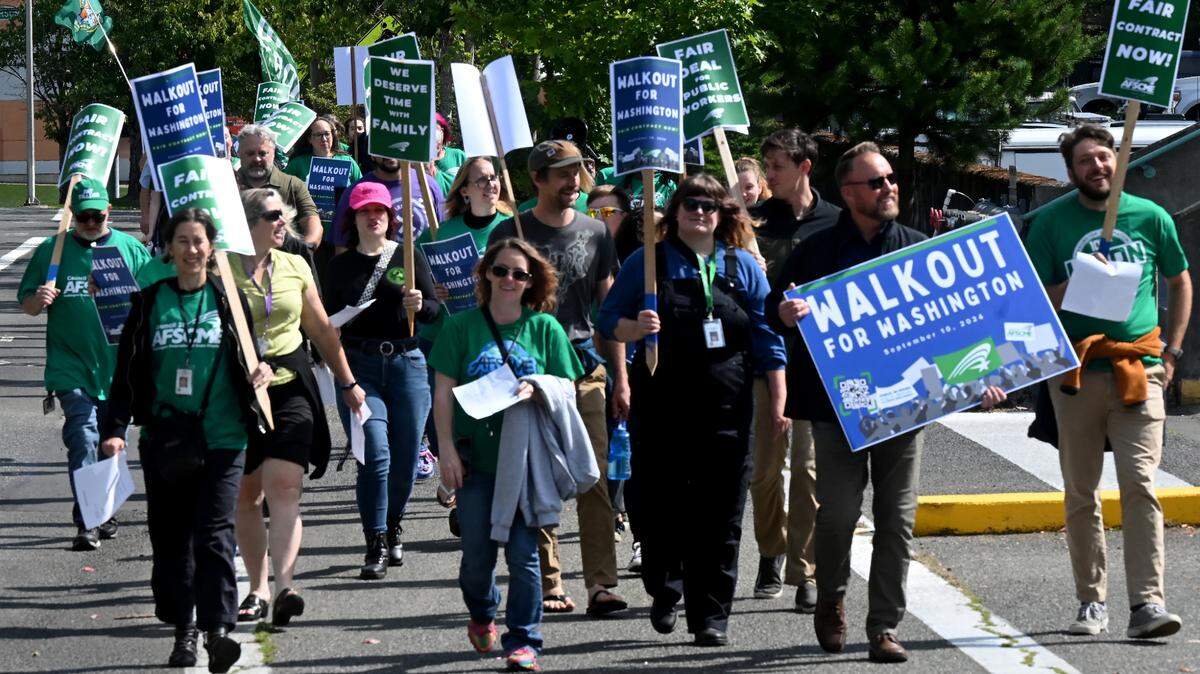
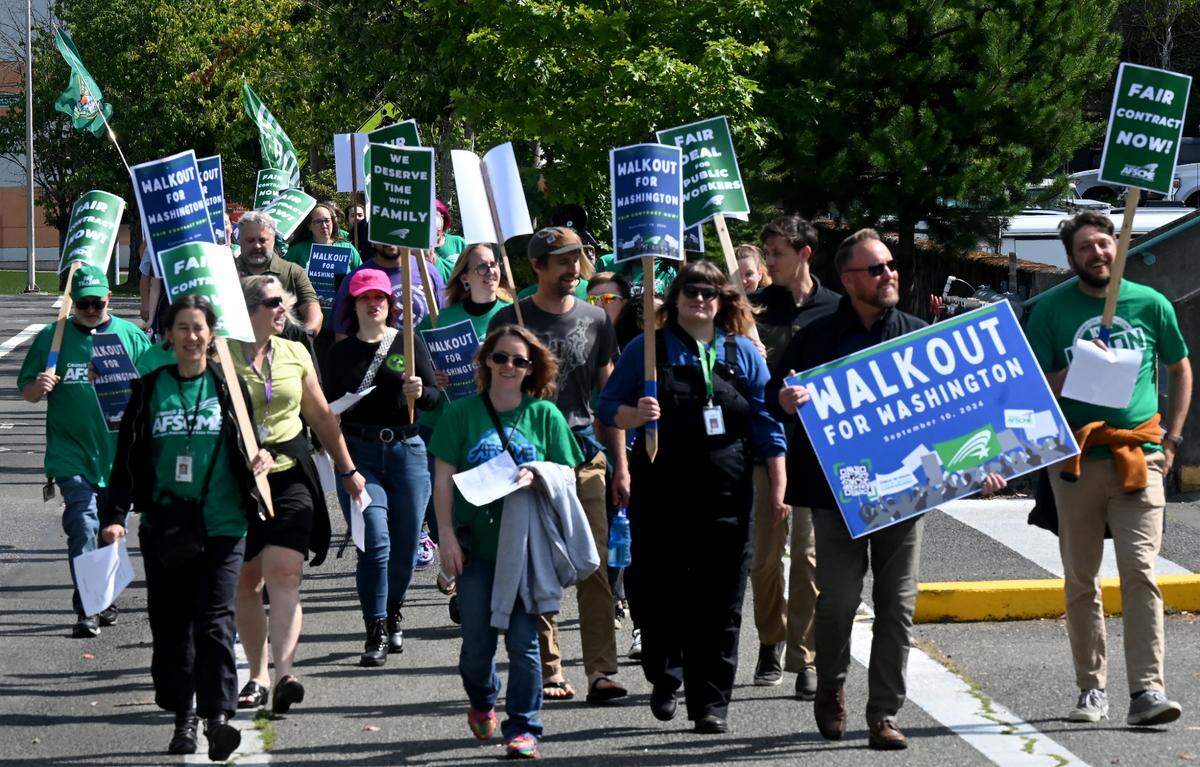
The dispute stems from long-running efforts to shed light on the behind-closed-doors contract negotiations between the state and the unions that represent its employees.
In late 2022, the state, represented by the Office of Financial Management, completed negotiations with employee unions related to the 2023-25 budget biennium.
Citizen Action Defense Fund, a nonprofit advocacy group, requested the tentative collective bargaining agreements. OFM refused, saying the records were exempt from the Public Records Act until the costs were accounted for in the state budget.
That didn’t happen until May, 16, 2023, when then-Gov. Jay Inslee signed the biennial budget into law.
.jpg "IMG_6397 (1).jpg")
Victory short lived
By then, Citizen Action had sued the Office of Financial Management in Thurston County Superior Court, where Judge Mary Sue Wilson ruled in its favor.
Victory was short lived. The ruling was overturned on appeal. June’s decision upheld the appellate court’s ruling.
The Citizen Action Coalition called the new opinion a loss for the Public Records Act, state law that holds that the public has a right to access most public records and that exemptions should be tailored as narrowly as possible.
“We respectfully disagree with the court’s opinion, as it undermines the key goal of the PRA — to ensure transparency. Negotiations over billions in state funds should be as open as possible,” it said in a statement released on Facebook and shared with media.
The statement is attributed to Jackson Maynard, its president.
Citizen Action Defense Fund said the collective bargaining agreements led to $997 million in increased salary and benefits for state employees over the biennium that ran from July 1, 2023 to June 30, 2025.
‘Disservice’ to public
The Washington Coalition for Open Government called the court’s opinion a “disservice” to the public.
“The Office of Financial Management could have released these records in a timely fashion but chose to withhold them using a technicality in the law,” said Mike Fancher, president of the Open Government coalition and retired executive editor for The Seattle Times.
Fancher’s comments were included in a statement released in response to questions by the Tri-City Herald.
“There was no reason for the state to be secretive about the negotiations of contract terms that had major financial and operational impacts on the government. We hope the new administration will be more transparent about the collective bargaining process in the future so that the public can understand how and why decisions are made,” it said.
“New administration” refers to Gov. Bob Ferguson who succeeded Inslee in January after the three-term incumbent opted not to pursue a fourth term.
Opinion divided
Eight of nine state Supreme Court justices joined the majority in supporting the Office of Financial Management’s interpretation that the agreements are exempt from disclosure until they’re funded by the Legislature.
“That occurs once the operating budget has passed both houses of the Legislature and been signed by the governor or been allowed to become law without the governor’s signature,” wrote Justice Steven Gonzalez in an opinion agreeing with the majority.
Justice Sal Mungia was the lone dissenter.
Mungia wrote the exemption ended when the Office of Financial Management and the union reached agreement, not when the governor signed the budget months later.
“The people have the right to know what their government is doing. That value is the basis for the Public Records Act,” Mungia wrote. “(T)he Fund was entitled to the requested information.”
This story was originally published July 1, 2025 at 5:00 AM.