Can WA cities ban high-octane booze? One Tri-Cities councilman wants to try
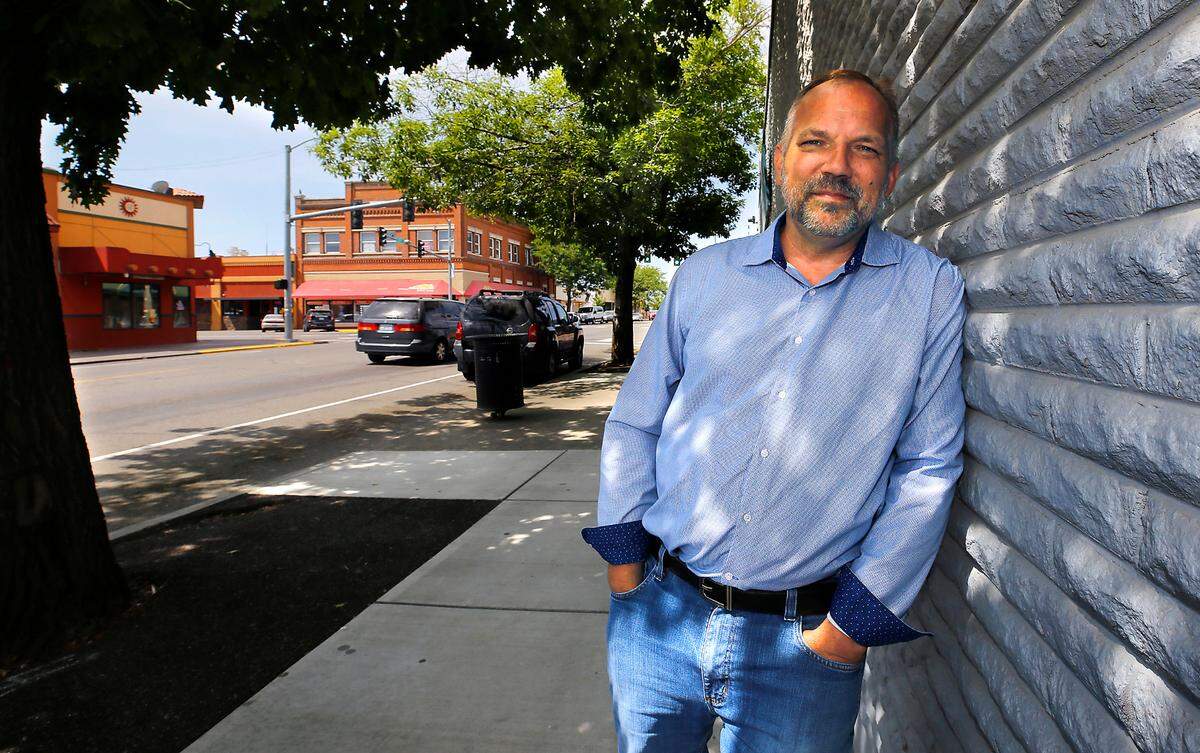
Pasco Councilman Charles Grimm wants his city to explore a ban on high-octane alcohol being sold in downtown gas stations and convenience stores.
High-octane drinks have alcohol content between 8-12% by volume (ABV). They’re cheap and readily available.
Grimm thinks a ban of the high-ABV, single-serving drinks would make the downtown area safer, more inclusive and family friendly.
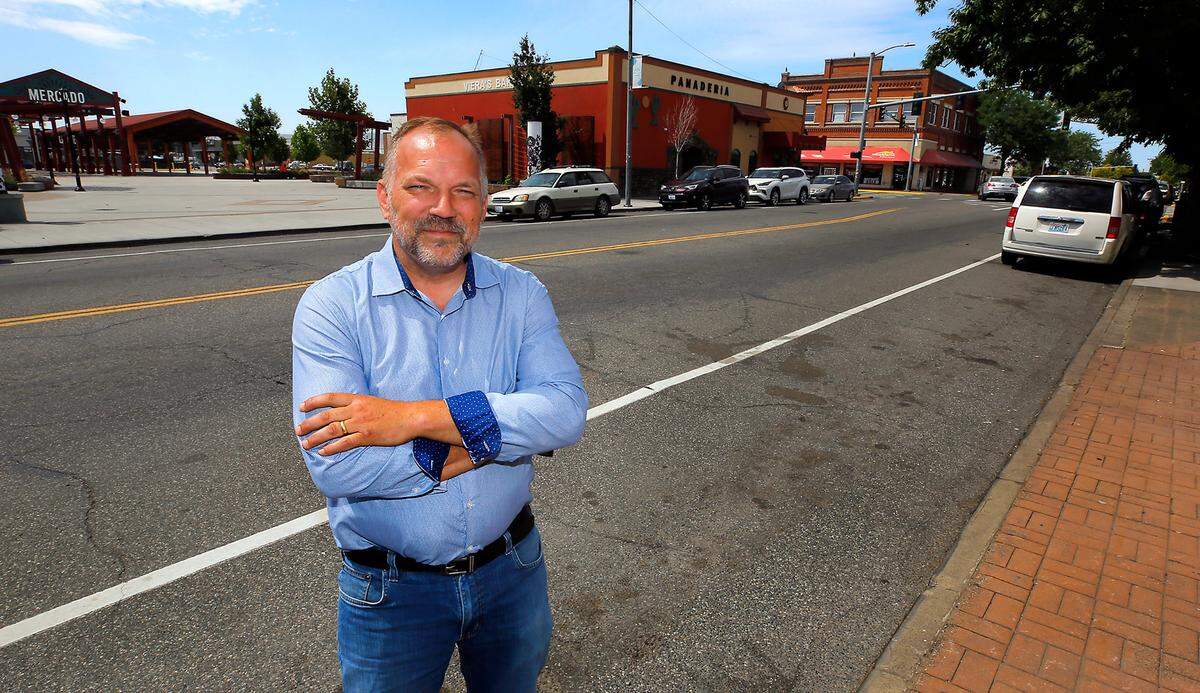
Grimm, who owns the Grocery Outlet store on Road 68 in Pasco, floated the idea of the ban at a recent council meeting in hopes of creating a zone downtown where that type of alcohol wouldn’t be sold.
If other council members agree, there is a process set by the Washington State Liquor and Cannabis Board for creating an Alcohol Impact Area.
‘Highest level of intoxication, lowest price’
Potent high-ABV beverages include malt liquor beer and other malt liquor-based drinks like Steel Reserve 211, Olde English 800, Four Loko, Joose and Mike’s Harder Lemonade. The drinks usually are sold in large, single-serving containers.
A can of Four Loko contains 23.5 ounces of fruity malt liquor with an average of 12% alcohol.
That’s equivalent to about five beers.
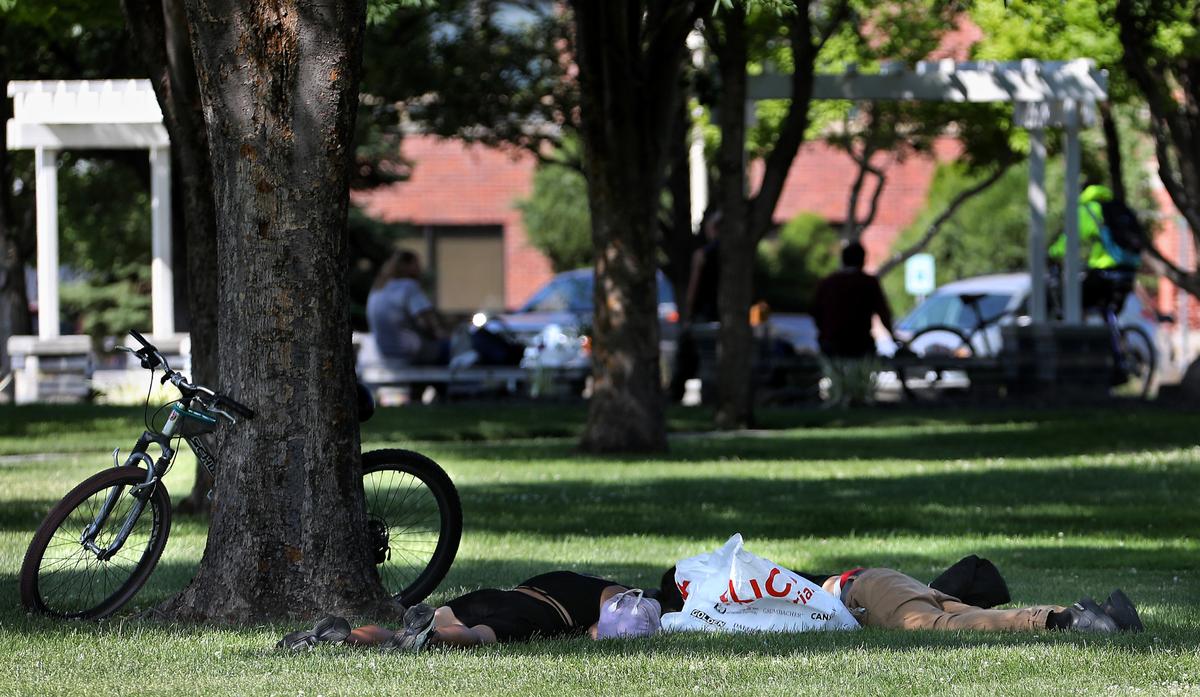
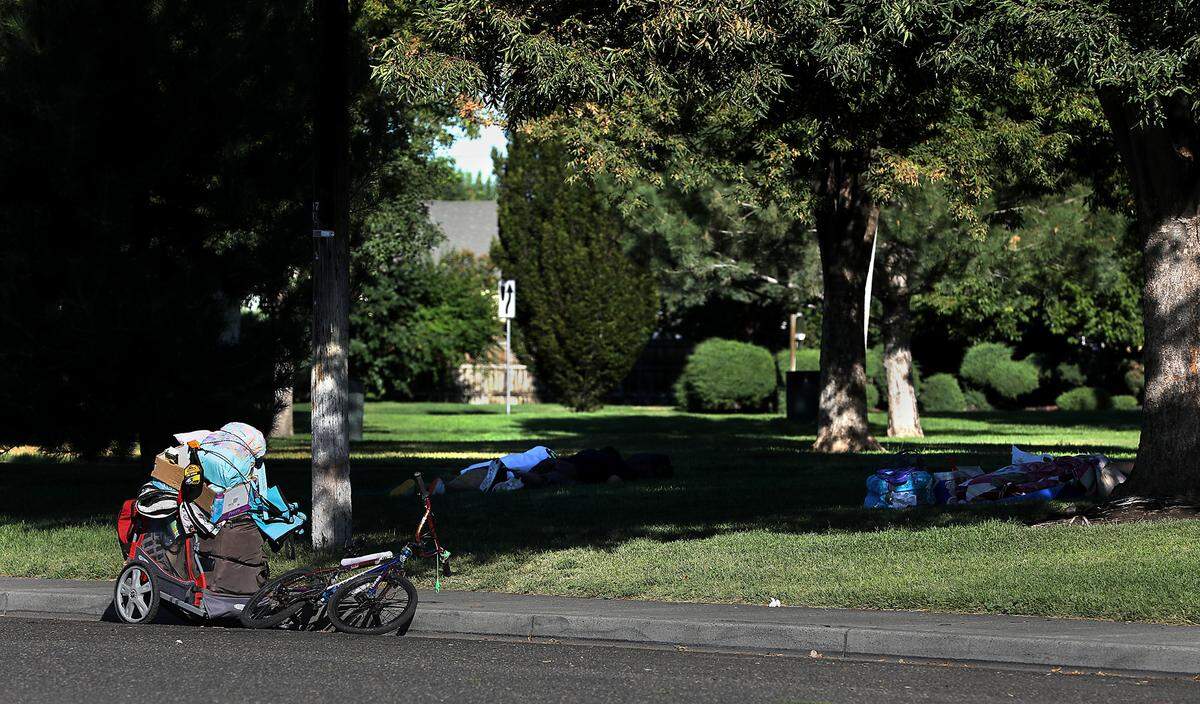
Grimm believes the main consumers of these drinks are people who are homeless living in the downtown area. He is a volunteer chaplain and longtime volunteer at the Tri-City Union Gospel Mission.
“Those (drinks) are the choice, often times, of the community of people downtown who call these streets home,” he said.
A study published in Alcoholism: Clinical & Experimental Research found people who drink malt liquor are more likely to be homeless, jobless and receive public assistance. And they tend to consume more alcohol and more often than other drinkers.
“With my experience in the retail business, the whole purpose for those beverages being produced is really to provide the highest level of intoxication at the lowest price,” Grimm said.
But he also stressed that he’s not wanting to discourage businesses. He sees an opportunity for downtown stores to sell higher quality, and higher cost, alcohol to the same customers.
Downtown safety
Grimm also serves on the board of directors for the Pasco Chamber of Commerce and said downtown businesses are concerned and want to see solutions for improving the area.
“One of the goals of our council has been to revitalize downtown,” Grimm said.
“I believe one piece of the puzzle could be to limit high-alcohol content beers sold in the core of our downtown area,” he said.
Grimm hasn’t heard any feedback from city police or fire officials on the issue, but city staff said the downtown area is safer than many comparable urban districts.
Last June, the city council approved an ordinance that prohibits people from sitting and lying on sidewalks located in a large swath of downtown Pasco. It was the city’s response to growing concerns about keeping Pasco sidewalks clear — for business traffic, community health and public safety reasons.
City staff said historically the Pasco Police Department has not tracked the cause of impairment in people they encounter downtown.
A majority of the Pasco council agreed to find out more about the city’s ability to control the sale of high-ABV drinks in the downtown area.
Alcohol bans in WA
Under state law, cities can ban the retail sale of alcoholic beverages by creating Alcohol Impact Areas. The state has a list of banned brand name products.
Alcohol Impact Areas are zones that can be set up in a specific area, not throughout the city. The zones may prevent stores from selling specific products, limit ABV and container sizes, or set hours when alcohol can be sold.
Alcohol Impact Areas already exist in Seattle, Tacoma, Olympia and other cities.
Spokane had Alcohol Impact Areas in East Central and downtown core districts, but those expired in October 2022. Late last year, Spokane was looking to reinstate restrictions in the downtown area on sales after midnight.
A spokesperson from the state’s Liquor and Cannabis Board said that the purpose of an Alcohol Impact Area is for local authorities to have a process to mitigate problems with chronic public inebriation or illegal activities linked to the sale or consumption of alcohol within a geographic area of their city, town or county, but not the entire jurisdiction.
First, cities must create a voluntarily Alcohol Impact Area through a local ordinance. During the trial period of at least six months, stores are required to get rid of products that the city wants to ban.
There’s a period when the city has to notify sellers.
Cities demonstrate their need for an Alcohol Impact Area by showing that alcohol use or illegal activity reduces quality of life in the area or threatens welfare, health, peace or safety.
The state requires crime statistics, police reports, emergency medical response data, detoxification reports, sanitation reports, public health records, community group petitions and testimonies.
Once the Alcohol Impact Area is approved, cities submit reports after the first year, and then every five years to show the effectiveness of the zone in addressing the city’s concerns.
According to a report of Seattle’s Alcohol Impact Areas from August 2006-May 2009, there was a higher rate of increase of emergency medical service incidents before the restrictions went into effect and a decline in police calls. There also was a greater percentage of retailers and people living within the Alcohol Impact Areas that saw positive changes in their neighborhoods since the restrictions.
This story was originally published June 25, 2025 at 5:00 AM.