
Voters still must show up in person for these WA elections. That could change
Washington state has had mail-in voting for more than a decade for offices ranging from the president of the United States to tiny cemetery district board members.
But not for irrigation district board members.
Under a 130-year-old law the state has required most irrigation district voters to cast their ballot at a polling place from 1-8 p.m. on the second Tuesday of December if there is a contested race.
That could change under a bill sponsored by Sen. Nikki Torres, R-Pasco, with Sens. Mark Schoesler, R-Ritzburg; Perry Dozier, R-Waitsburg; and Sam Hunt, D-Olympia.
The bill, which passed the Senate 48-1, would allow, but not require, irrigation districts to hold mail-in elections.
“The election procedures for irrigation districts are outdated and this bill goes a long way toward modernizing these elections,” Torres said.
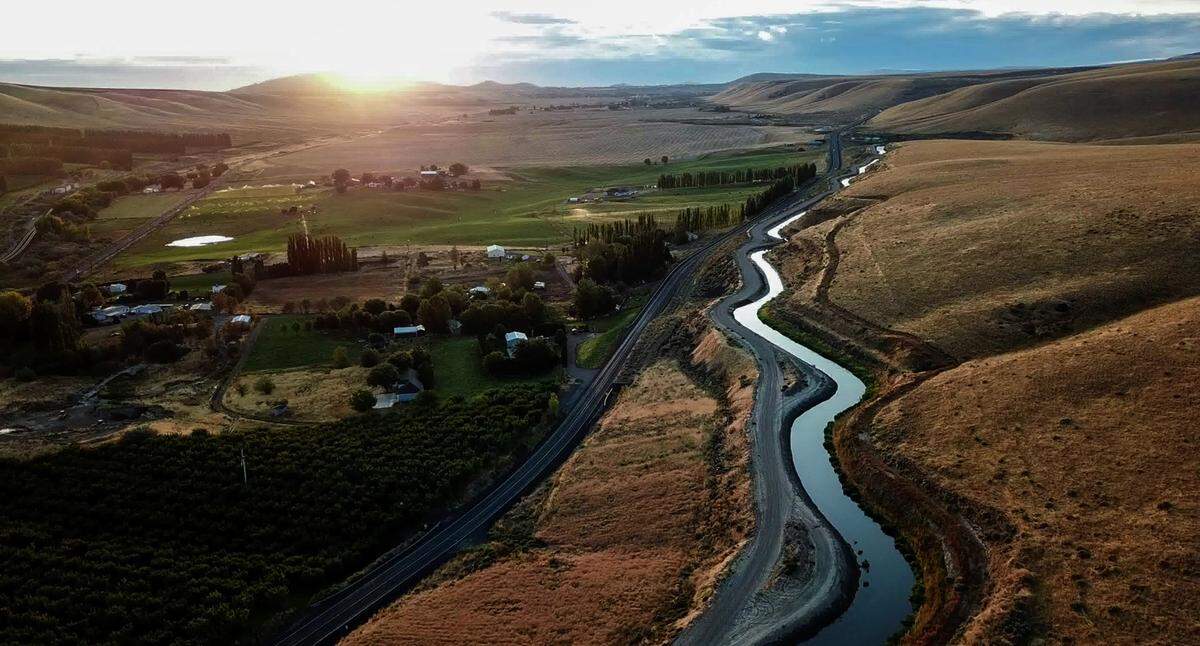
Elections at the Kennewick Irrigation District, one of about 100 districts in the state, have notably low turnouts.
The district has about 32,200 people eligible to vote.
But in the last election in 2022 just 1,268 ballots were cast. All but one, which was from a person who requested an absentee ballot, where cast in person.
And the number of voters likely was much lower than the ballot count would indicate.
Unlike most elections in the United States, irrigation districts are not “one person, one vote.”
Instead, each landowner gets two votes for each five acres of land owned in the district.
The district provides irrigation for properties ranging from single-family houses to farms and rather than levying taxes an assessment is made.
Torres’s bill also includes auditor-recommended procedures for the security of ballots.
“This is the second year the Senate has passed this well-worked bill with a large bipartisan majority,” Torres said. “I hope this year, my colleagues in the House will do their part, and show a similar level of support for this much-needed update to the law.”
The bill has been referred to the House State Government and Tribal Relations Committee.