
Benton County votes to boost mental health, detox services. It means a sales tax bump
Shoppers in Benton County will see an extra penny added for every $10 spent in purchases starting next summer.
The Benton County commissioners on Tuesday approved a sales and use tax to fund chemical dependency and mental health treatment services, including a recovery center and therapeutic courts.
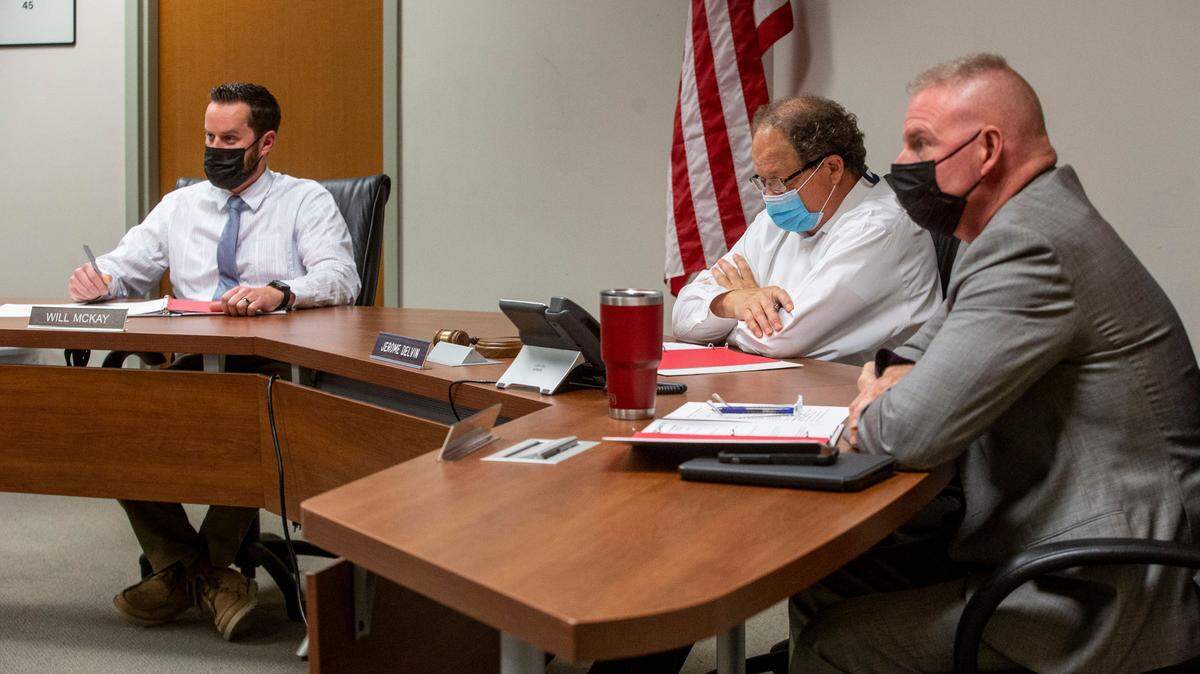
Chairman Jerome Delvin and Commissioner Shon Small voted in favor of the ordinance imposing the 0.1% sales tax. The move is allowed under a recent Washington state law.
The tax goes into effect July 1.
Commissioner Will McKay voted against the measure.
He said it is the most difficult decision he’s faced since taking office last January and favors a treatment center, but added he couldn’t vote in favor of a tax increase.
The vote came after a public hearing during Tuesday’s weekly commissioner meeting.
The only comments made during the public hearing came from two representatives with the Benton Franklin Recovery Coalition in favor of the tax.
President Michele Gerber said they are much more likely to get state and federal money for a recovery center if they can show a local buy-in, in this case with funds raised through the sales tax.
Revenue from the county tax will be placed in a fund to be used for community programs geared toward people experiencing a behavioral health crisis or other behavioral health issues.
The sales tax means a customer will be taxed 1 cent on a $10 purchase, 10 cents on a $100 purchase, $1 on $1,000 or $100 on $100,000.
The board was told they can adopt the tax at any time, but the Washington state Department of Revenue will only start collecting on a new tax on the first day of January, April or July.
McKay said he wanted to push back the increase until at least Fall 2022 so the board can find other funding sources, or see if they can get a Ben Franklin Transit vote on the primary ballot next August.
“I just don’t really want to increase tax and I see there is a bunch of money in Ben Franklin Transit that could get moved over into here so we’re not raising ... taxes on the people, and the people would still have a vote of where they want to put the money at,” said McKay.
He was referring to the 0.6% tax the transit system currently collects from purchases, and a proposal floated last summer to ask voters to consider trimming their tax collection approved by voters by 0.1%.
That would have cut about $7.6 million from the transit budget.
Both Benton and Franklin county commissioners proposed the cut, saying that in exchange they would approve a 0.1% sales tax increase for mental health services.
But the request was rejected by the transit board in August.
McKay also suggested putting the 0.1% sales tax increase to an advisory vote on a Benton County ballot next spring.
The board was reminded that it has the legislative authority to authorize the tax without voter approval, and putting it on the ballot would be at their cost.
The last special election cost the county $200,000, they were told.
Small said his vote Tuesday was the first time he has implemented a tax since he was elected to the board more than 10 years ago.
He said a number of mental health- and behavioral health-related programs that are funded by grants or state money are set to expire by next summer, and he worries about having a gap in such coverage if the sales tax is not implemented next July.
Franklin County commissioners have not yet had an official debate or vote on implementing a similar sales tax on their side of the river.
They are scheduled to have a public hearing on the issue at 7 p.m. Dec. 7 at the HAPO Center, according to Administrator Keith Johnson.
This story was originally published November 9, 2021 at 1:41 PM.