Biden signs executive actions promoting racial equity. Here’s what to know
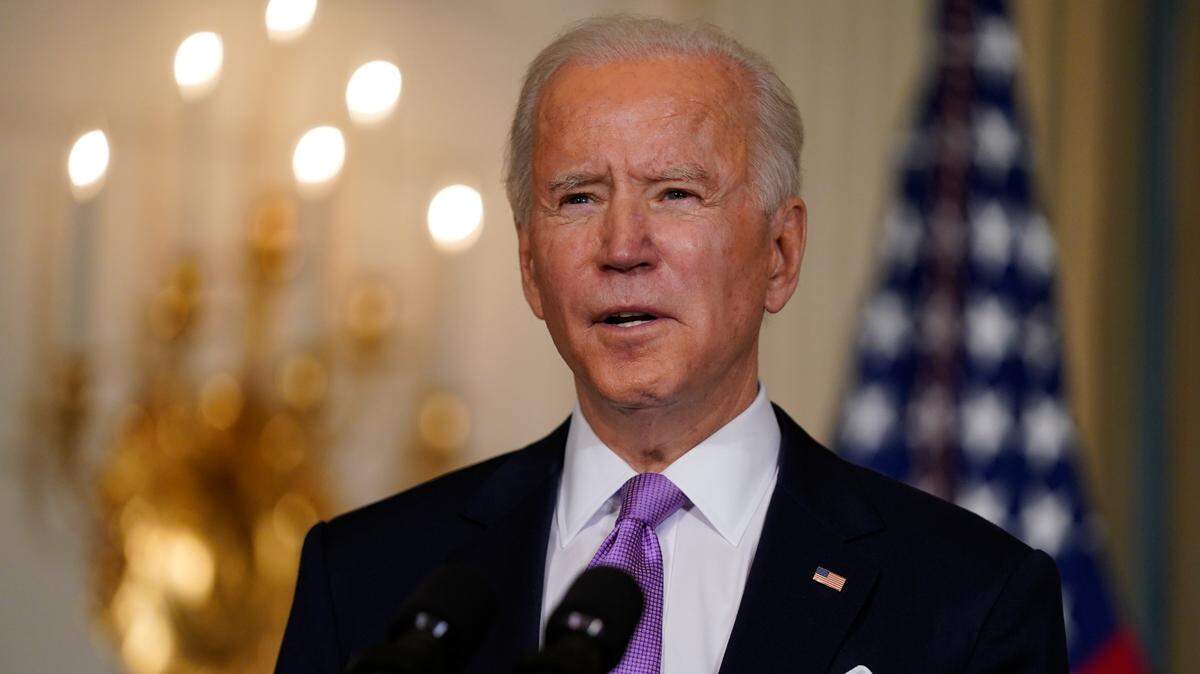
President Joe Biden signed four executive actions Tuesday aimed at advancing racial equity.
Biden has taken dozens of executive actions — some overturning policies enacted by former President Donald Trump — since being sworn in on Wednesday.
He’s used executive orders to address the coronavirus pandemic, immigration issues, LGBTQ and racial equity, environmental issues and others.
The president signed additional actions Tuesday afternoon to “advance racial equity and take first steps to root out systemic racism in housing and criminal justice.”
The White House says the actions are “just the start.”
Fair housing
Biden signed a presidential memorandum titled “Redressing Our Nation’s and the Federal Government’s History of Discriminatory Housing Practices and Policies.”
It recognizes the federal government’s role in creating discriminatory housing policies across the U.S. — including redlining, mortgage discrimination and “destructive federal highway construction.”
The memorandum directs the Housing and Urban Development Department to examine Trump-era actions that “undermined fair housing policies and laws” and take steps to fully implement the requirements of the Fair Housing Act.
The act outlaws discrimination based on “race, color, national origin, religion, sex, familial status, and disability” when selling or renting a home or in other housing-related activities, such as issuing mortgages or housing assistance.
Incarceration and private prisons
The president signed an executive order directing the attorney general to not renew the Justice Department’s contracts with private prisons.
The order is part of Biden’s stated efforts to end mass incarceration and reduce crime, which he outlined in his campaign.
The White House pointed out that non-white people are disproportionately incarcerated in the U.S.
A Pew Research study published in May found that Black Americans and Hispanic Americans were imprisoned at significantly higher rates than white Americans. At the end of 2018, there were 1,501 Black inmates in state or federal prisons for every 100,000 Black adults, 797 Hispanic Americans imprisoned for every 100,000 Hispanic adults and 268 white inmates imprisoned for every 100,000 white adults.
“Mass incarceration imposes significant costs on our society and communities, while private prisons profiteer off of federal prisoners in less safe conditions for prisoners and correctional officers alike,” the White House said.
The U.S. has more people in private prisons than any other country, according to The Sentencing Project.
“From 2000 to 2016 the number of people housed in private prisons increased five times faster than the total prison population,” the organization says. “Over a similar timeframe, the proportion of people detained in private immigration facilities increased by 442 percent.”
Tribal Sovereignty
Biden signed an executive order that “reinvigorates the commitment of all federal agencies to engage in regular, robust and meaningful consultation with Tribal governments.”
“The Biden Administration is committed to re-establishing federal respect for Tribal sovereignty, strengthening the Nation-to-Nation relationship between the federal government and American Indian and Alaska Native Tribes, empowering self-determination and advancing racial justice for Native communities,” the White House says.
Tribal sovereignty refers to the right of Native Americans and Alaska Natives to govern themselves, according to the National Conference of State Legislatures.
The U.S. Constitution, which recognizes these nations as “distinct governments,” grants them the same powers to regulate “internal affairs” granted to state and federal governments with few exceptions.
Around 1.9 million Americans were members of the 561 federally recognized tribes in 2005, the most recent year when such data was available, according to the Department of the Interior.
Xenophobia
Biden signed a presidential memorandum recognizing the harm of increased harassment and violence against Asian Americans and Pacific Islanders in the past year.
It establishes his administration’s policy to “condemn and denounce anti-Asian bias and discrimination.”
At the start of the coronavirus pandemic, reports of anti-Asian discrimination and hate soared as Trump blamed China for the pandemic and repeatedly referred to COVID-19 as “the plague from China” and the “Chinese virus,” McClatchy News previously reported.
The memorandum also directs the Department of Health and Human Services to coordinate with the COVID-19 Health Equity Task Force to consider issuing guidance on “best practices to advance cultural competency, language access, and sensitivity towards AAPIs in the federal government’s COVID-19 response.”
It also directs the Justice Department to work with Asian American and Pacific Islander communities to prevent hate crimes and harassment.
This story was originally published January 26, 2021 at 12:25 PM with the headline "Biden signs executive actions promoting racial equity. Here’s what to know."