Colorful, spiky creature found perched on plants in Ecuador. It’s a new species
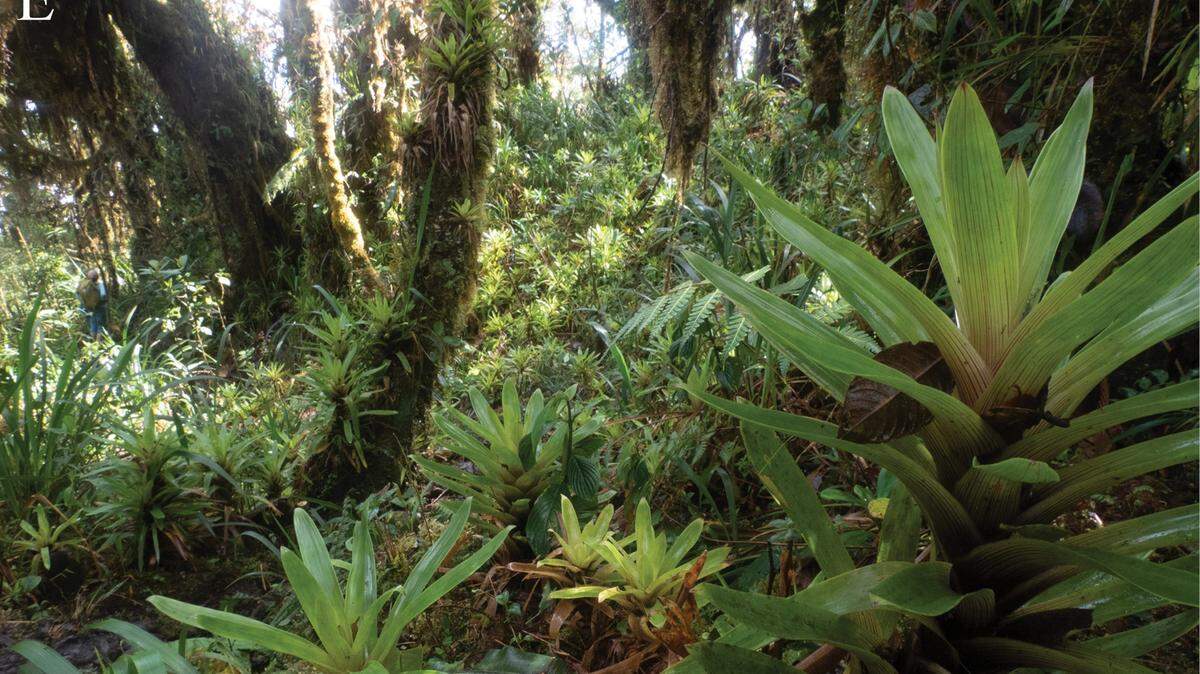
In the mountains of central Ecuador, a colorful creature sat on a leaf, its “light blue” eyes scanning the surrounding forest. Something about the spiky animal caught the attention of passing scientists — for good reason.
It turned out to be a new species.
Researchers ventured into the Andes mountains of Tungurahua Province several times between 2008 and 2023 for ongoing wildlife surveys, according to a study published May 28 in the peer-reviewed journal Evolutionary Systematics. The region was “one of the most biodiverse” places in Ecuador.
During their surveys, researchers found dozens of the spiky, multicolored frogs, the study said. They captured the animals and, taking a closer look, realized they’d discovered a new species: Pristimantis normaewingae, or the Norma Ewing rain frog.
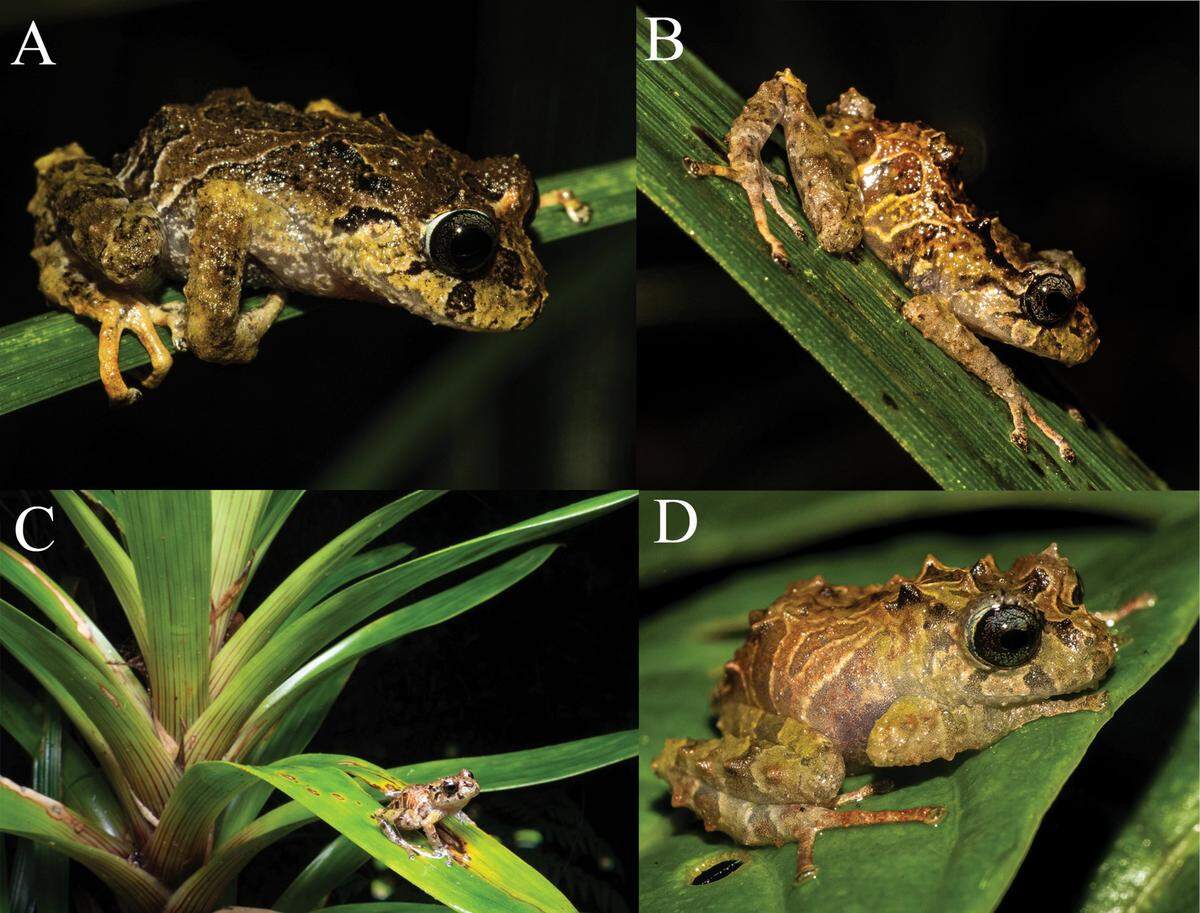
Norma Ewing rain frogs can reach just over an inch in length, the study said. They have “slender” limbs and roughly textured skin covered in spiky bumps. Their eyes are “light blue” with black markings.
Photos show several Norma Ewing rain frogs perched on plants. These frogs vary in color but generally have a “banded pattern with different tones of brown, yellow and green.”
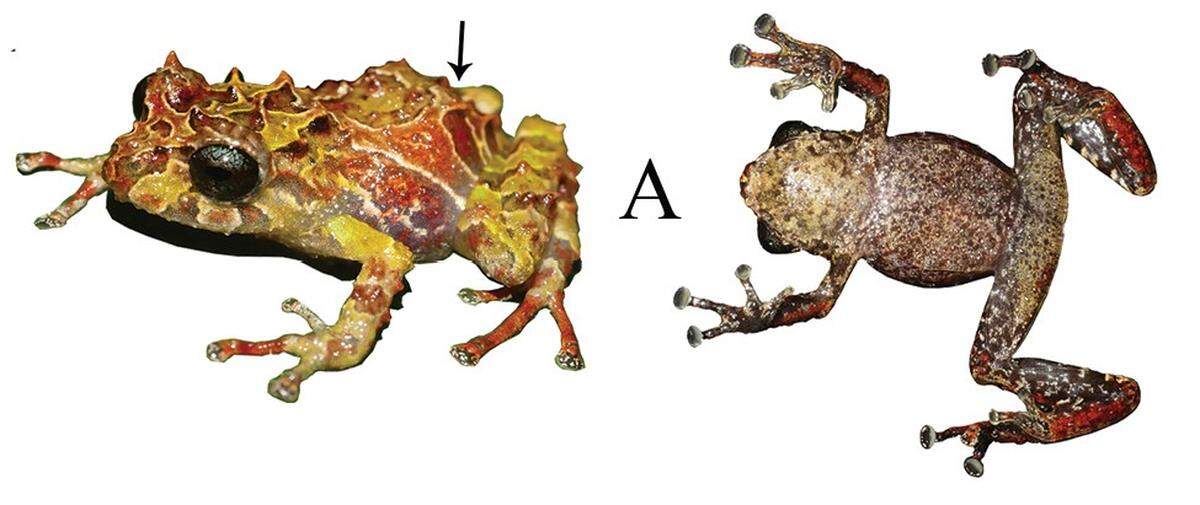
Some Norma Ewing rain frogs have more red and orange patches, a photo shows. Seen from underneath, the frogs’ bellies have a marbled pattern.
The new species was found on plants, trees and shrubs in a mountainous forest, the study said.
“The new species usually were found at night near or on top of the bromeliads,” a type of flowering plant, lead co-author Julio Carrión-Olmedo told McClatchy News via email.
Researchers said they named the new species after Norma Ewing, a “passionate conservationist and animal rescue volunteer from (the) United States.” Ewing “has always cared for animals of all shapes and sizes,” according to the study, and “was admired for her ability to nurture orphaned and injured animals.”
So far, Norma Ewing rain frogs have only been found in the Cerro Candelaria Private Protected Area, the study said. This site is in Tungurahua Province and about 100 miles southeast of Quito, Ecuador’s capital city.
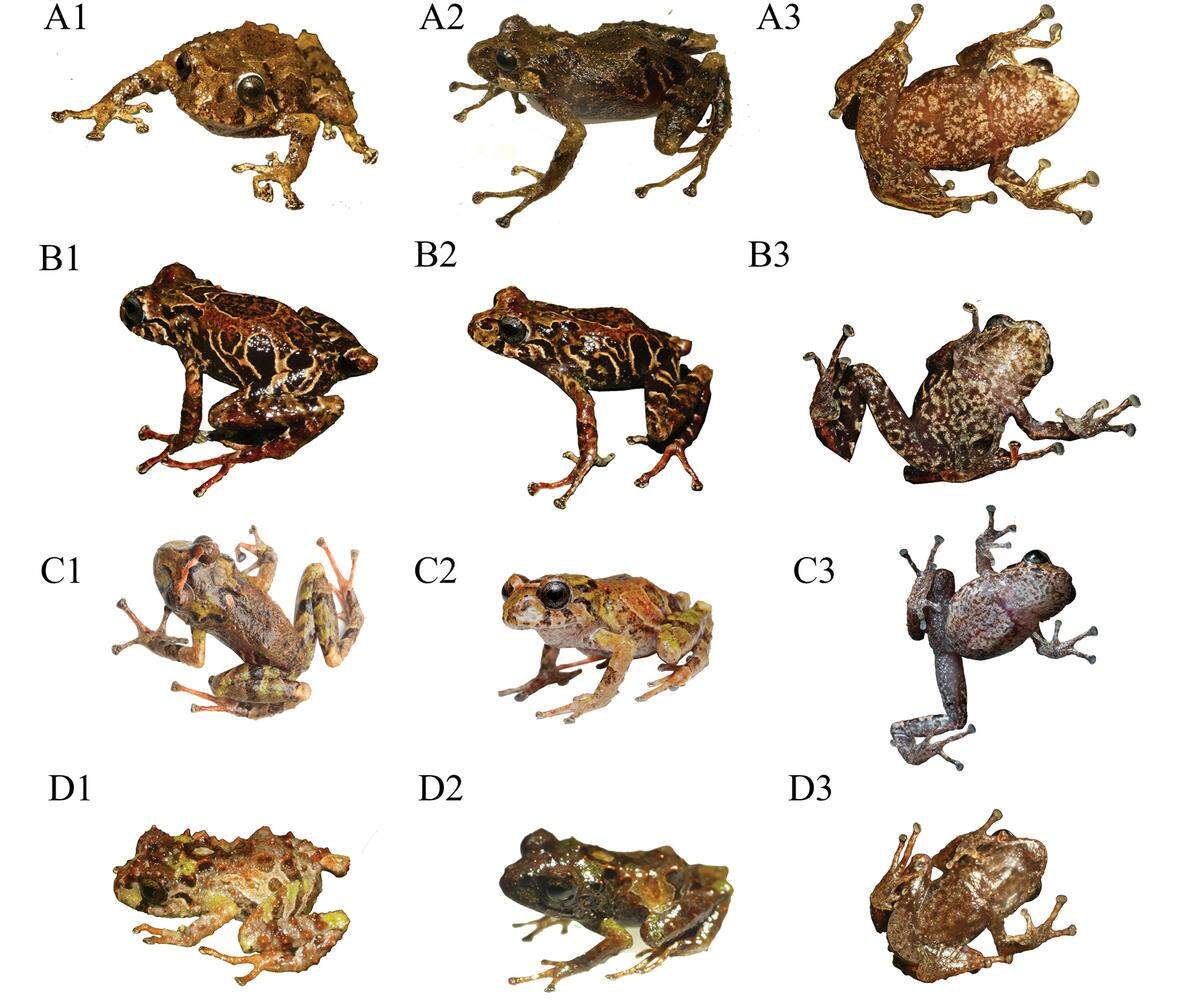
The new species was identified by its coloring, spikes, skin, fingers, body shape, eye color and other subtle physical features, the study said. DNA analysis found the new species had at least 5% genetic divergence from other related frogs.
The research team included Juan Pablo Reyes-Puig, Mario Yánez-Muñoz, Zane Libke, Patricio Vinueza and Julio Carrión-Olmedo.
This story was originally published May 28, 2024 at 11:50 AM with the headline "Colorful, spiky creature found perched on plants in Ecuador. It’s a new species."