Beautiful glasswork discovered at ancient Roman crossroads in France. See the finds
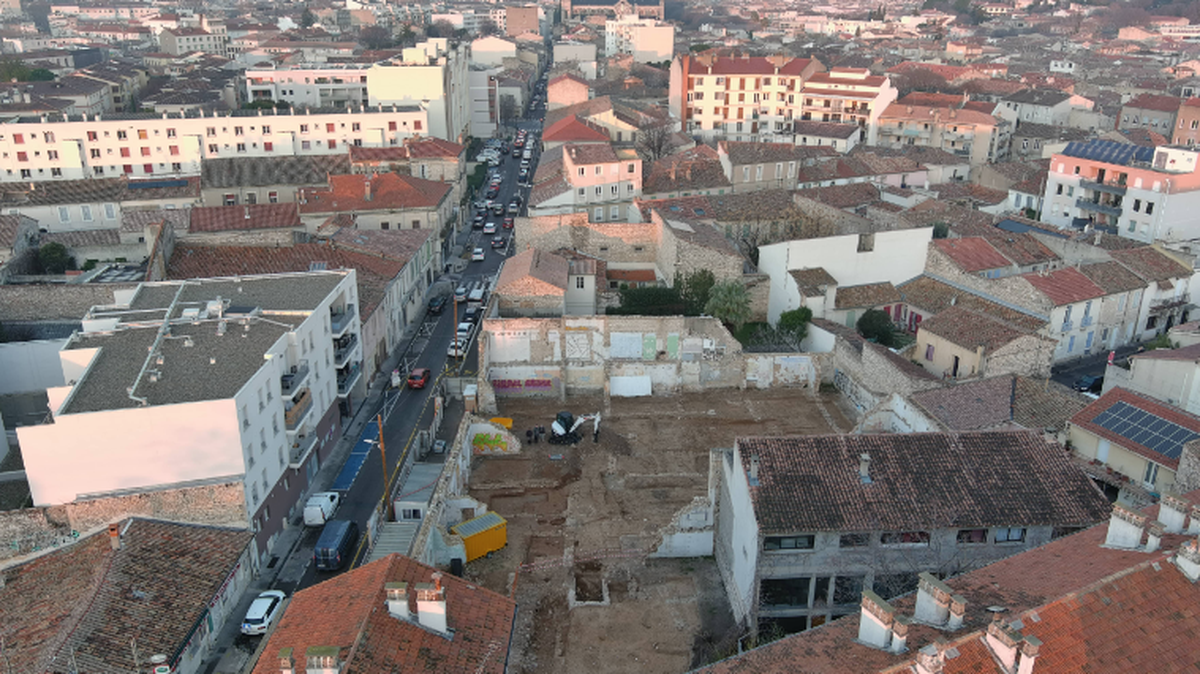
In a city in the south of France, a social housing development project broke ground — then unearthed pieces of history.
Archaeologists were called to the city of Nîmes, just north of the Mediterranean coast, where construction on the Rue de Beaucaire had uncovered stone pavements, according to an April 9 news release from the French National Institute for Preventive Archaeological Research (INRAP).
The stones were placed next to one another to make a roadway, about 50 feet wide, the archaeologists said, and there are markings of ruts and stone replacements from wear and tear.
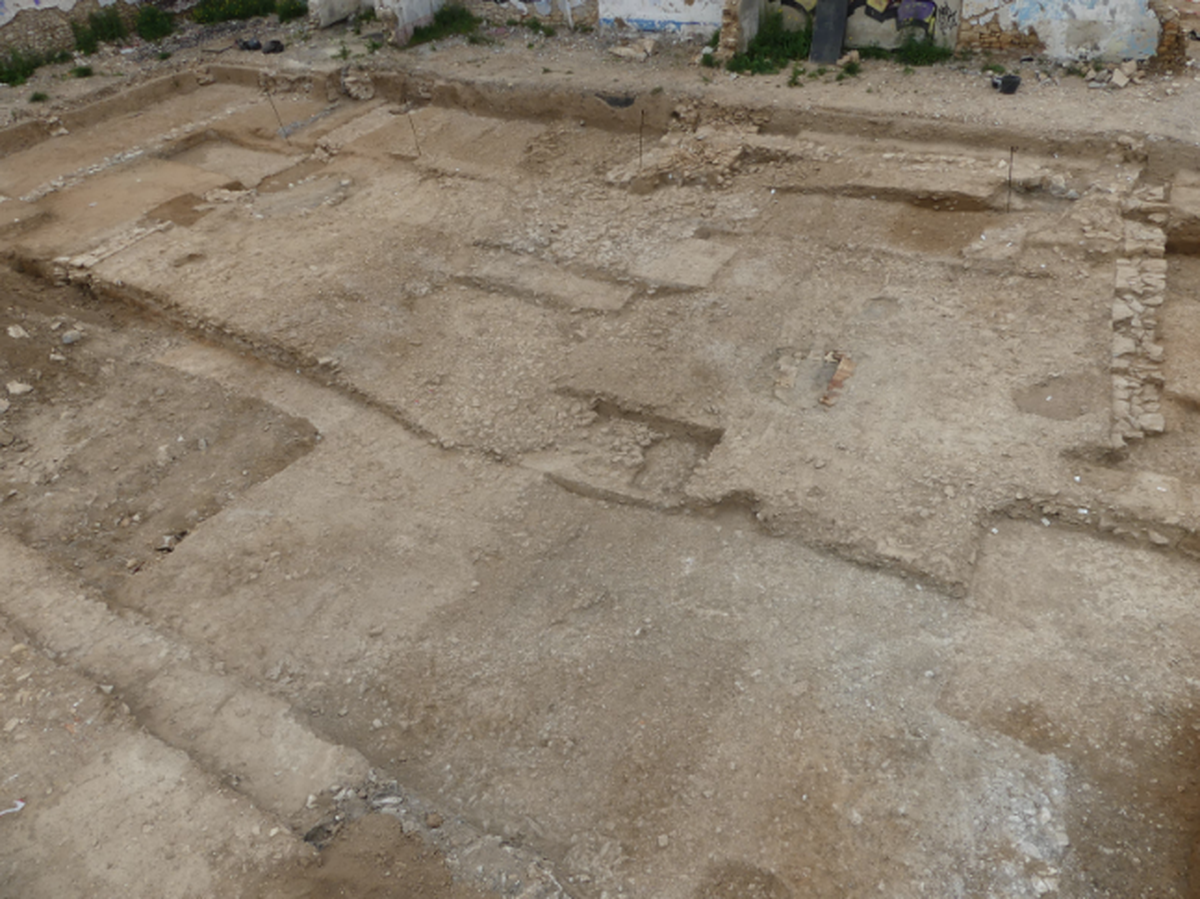
The roadway is believed to be a crossroad of “via Domitia,” an ancient Roman road built in the first and second century B.C. as the main access to Nîmes, according to the release.
Construction and maintenance of Domitia Way, now underneath modern-day Beaucaire Road, likely continued into the first or even second century A.D., the researchers said.
In between the two ancient thoroughfares, the archaeologists discovered a series of tombs, some with human remains and others with pottery and glass.
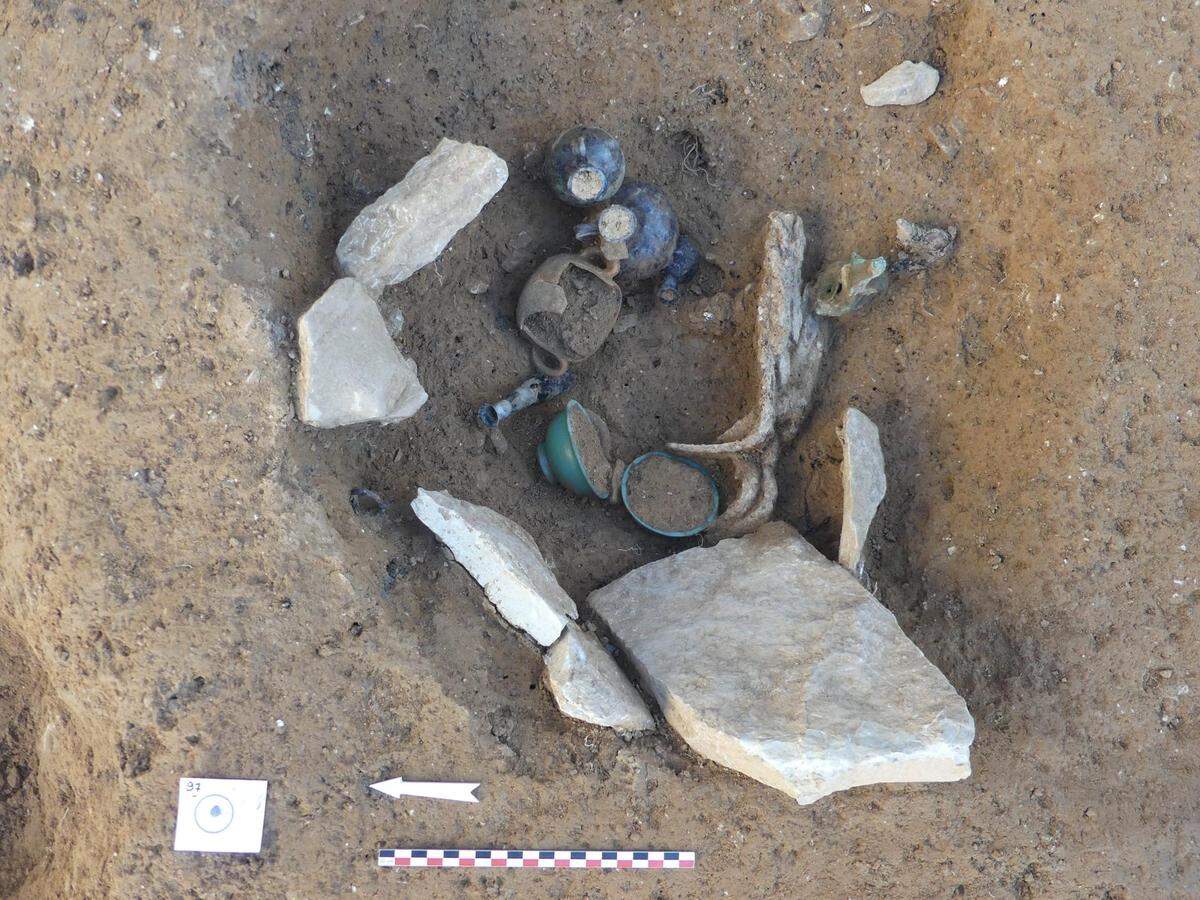
The tombs were built with extra pieces of limestone or terracotta piles, according to the release, or were dug into the ground next to the road.
Cremation was common at the time, and the burned remains were either scattered on the dirt or placed in glass or ceramic vases, the archaeologists said.
Personal items were also buried with the remains, according to the release, which were likely part of the rites and ceremony of the burials.
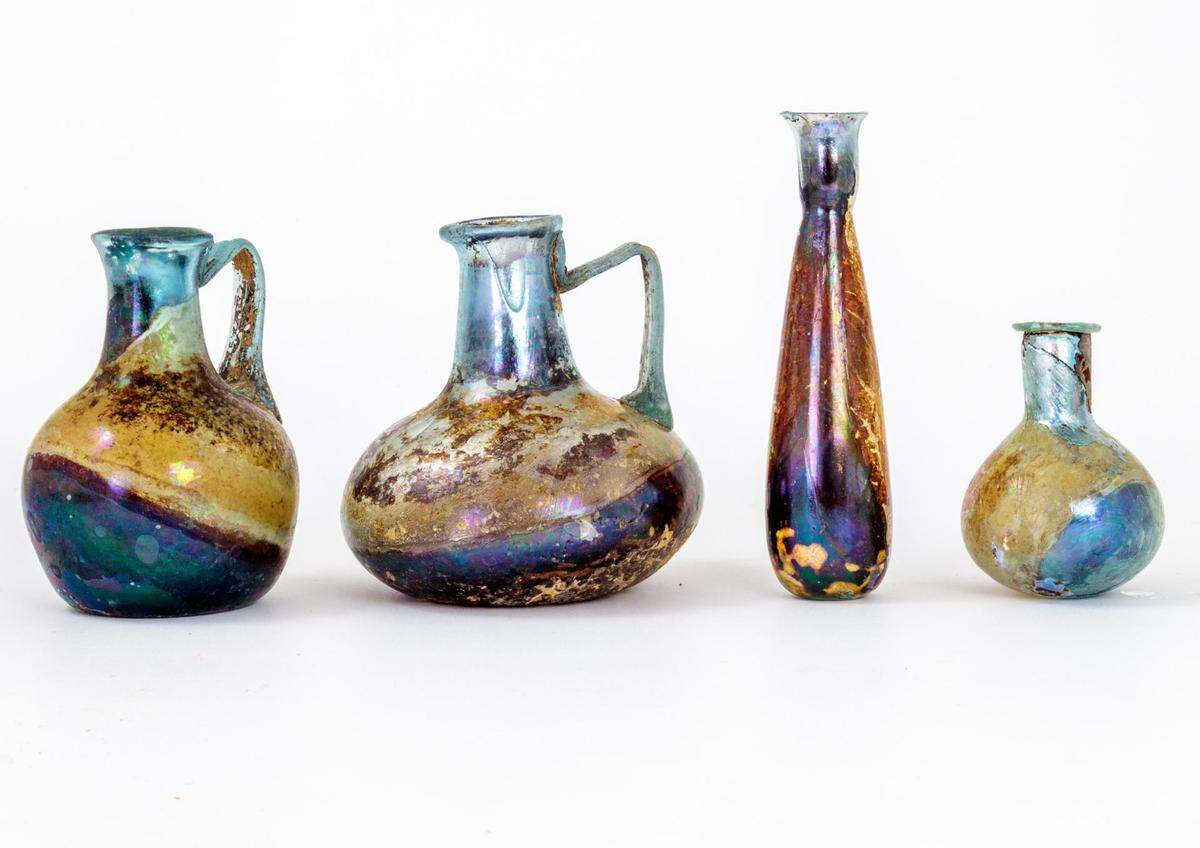
They included vases, lamps and bowls that have remained in remarkable condition over thousands of years.
The excavations also revealed a well, which has since been filled in and hidden under modern buildings, according to the release.
Digging the well out from the dirt may help the researchers reach other discoveries, they said.
Nîmes is about a 75-mile drive northwest of Marseille.
This story was originally published April 9, 2024 at 2:00 PM with the headline "Beautiful glasswork discovered at ancient Roman crossroads in France. See the finds."