Metal detectorist searching Polish field finds something ancient — and ready for war
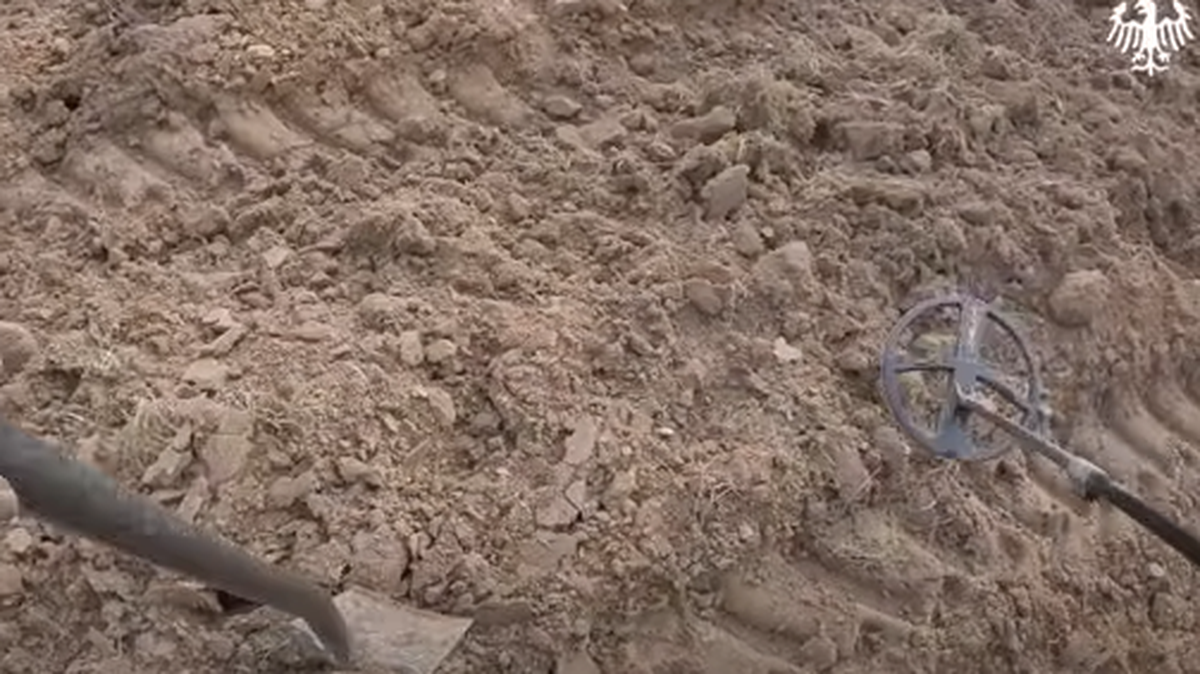
Patryk Chmielewski, the self-proclaimed “Profesor Detektorysta” or Professor Detectorist, shares his love of treasure hunting online through social media.
Chmielewski takes his more than 13,000 YouTube subscribers along with him as he scours the fields and grasslands of Poland for items left behind hundreds and thousands of years ago.
He has found coins, metal crucifixes and even weapons, and has shared the finds with his followers.
On March 29, he posted a video on YouTube with a more significant find — ancient armor.
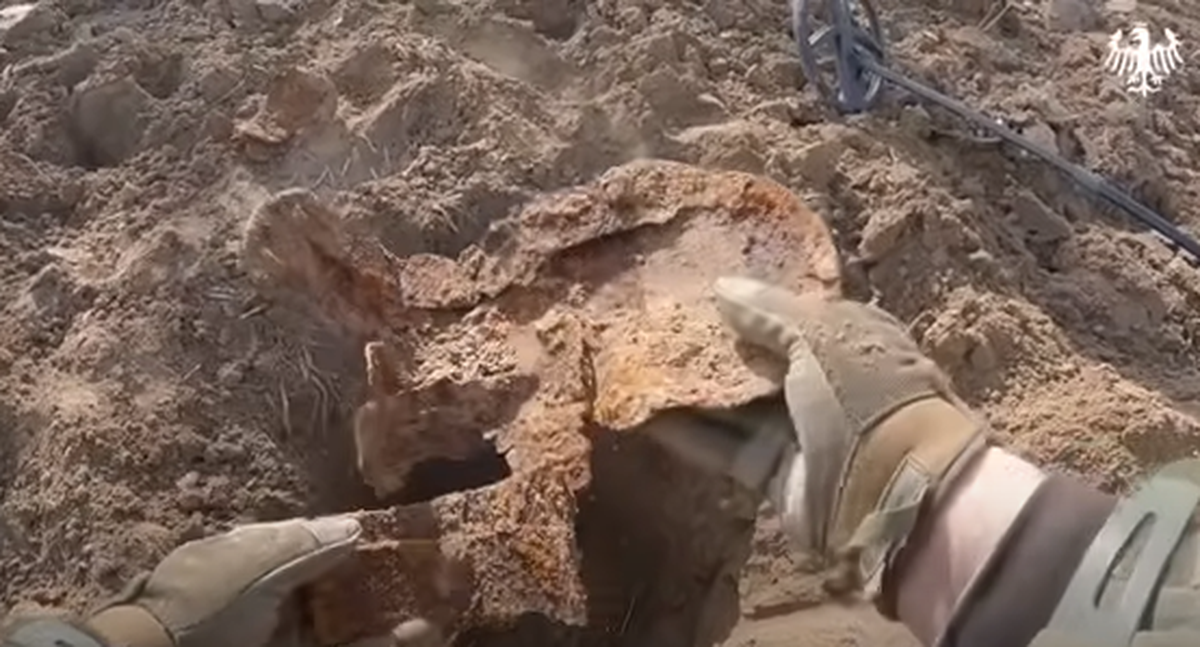
Chmielewski was in a plowed field in the town of Mikułowice when his metal detector pinged on something buried in the soil, the video shows.
He set up his camera and started to dig, then pulled pieces of metal from the ground.
He took the finds to the Provincial Office for the Protection of Monuments, who confirmed the pieces were authentic in an April 4 news release.
Buried about 2 feet down, a breastplate, a backplate, one shoulder pad, forearm bracers and a helmet belonging to an ancient suit of armor were found, according to the release.
The set of armor was not complete, the archaeologists said, and had a significant amount of corrosion brought on by time in the dirt.
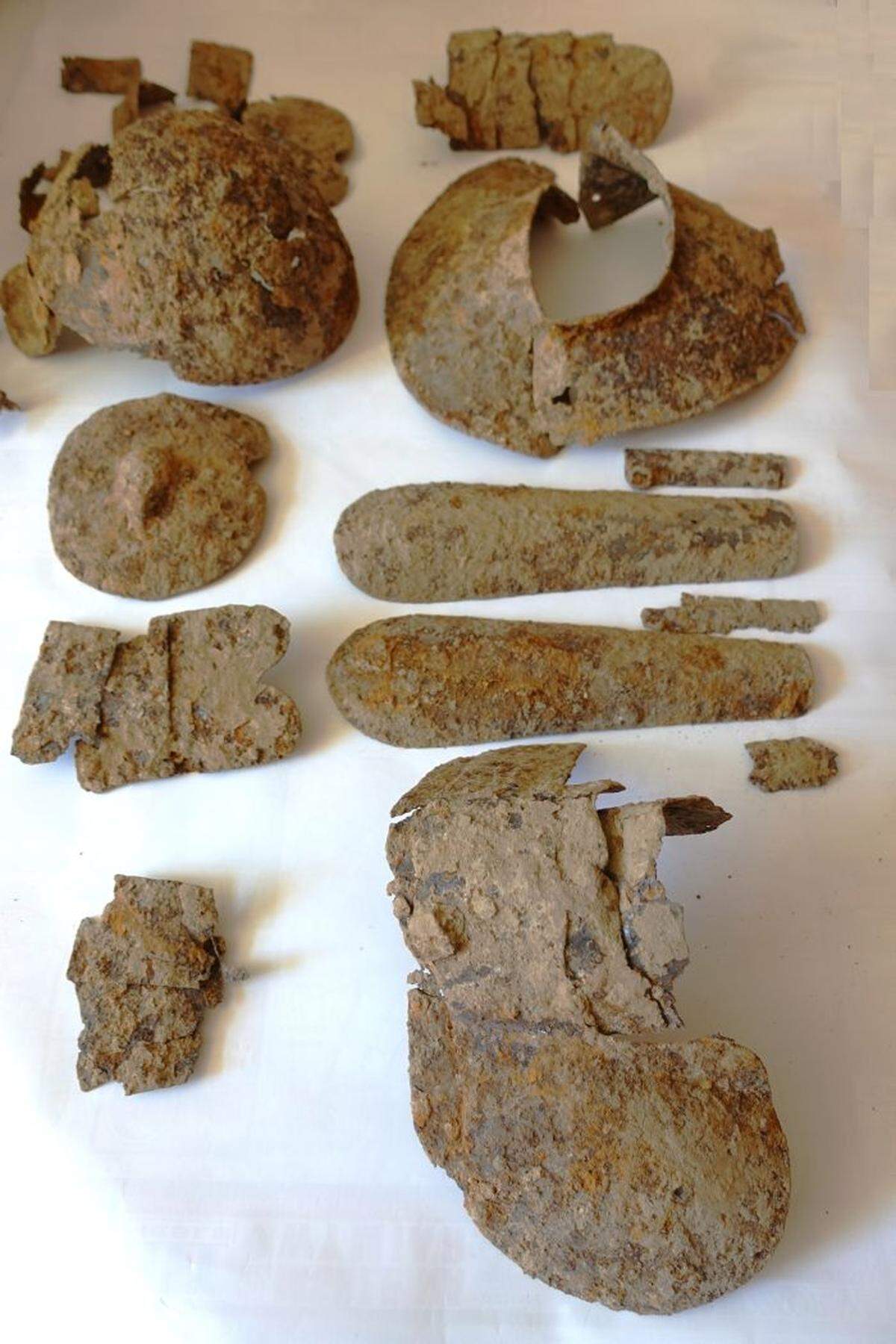
The archaeologists believe the find is around 400 years old, dating from the first half of the 17th century.
The armor likely belonged to the Hussars, a type of cavalry in the Polish army that was in operation from the 16th century to the end of the 18th century, the archaeologists said.
The team said a more accurate date will be established after restoration of the armor.
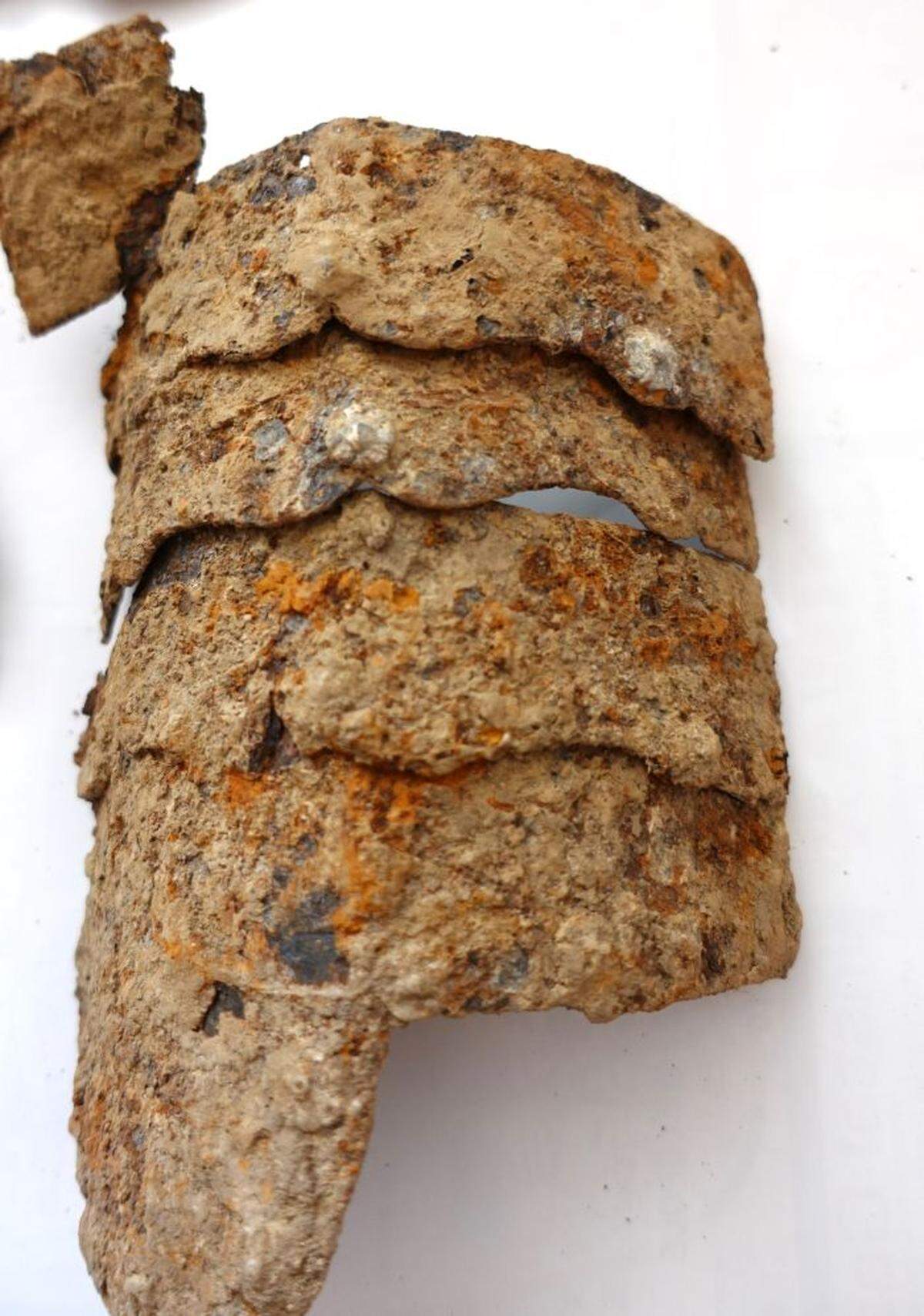
Archaeologists also said the armor was missing decorative elements that are typical on Hussar armor, which suggests it was made locally and ordered by a wealthy nobleman, not for a general soldier, according to the release.
After restoration, the pieces of armor will be sent to the Castle Museum in Sandomierz for more analysis, the archaeologists said.
Mikułowice is in southern Poland, about a 150-mile drive south of Warsaw.
Google Translate was used to translate the news release from the Ministerstwo Nauki i Szkolnictwa Wyższego.
This story was originally published April 4, 2024 at 12:29 PM with the headline "Metal detectorist searching Polish field finds something ancient — and ready for war."