Ancient baby cemetery found next to 1,700-year-old homes in France, researchers say
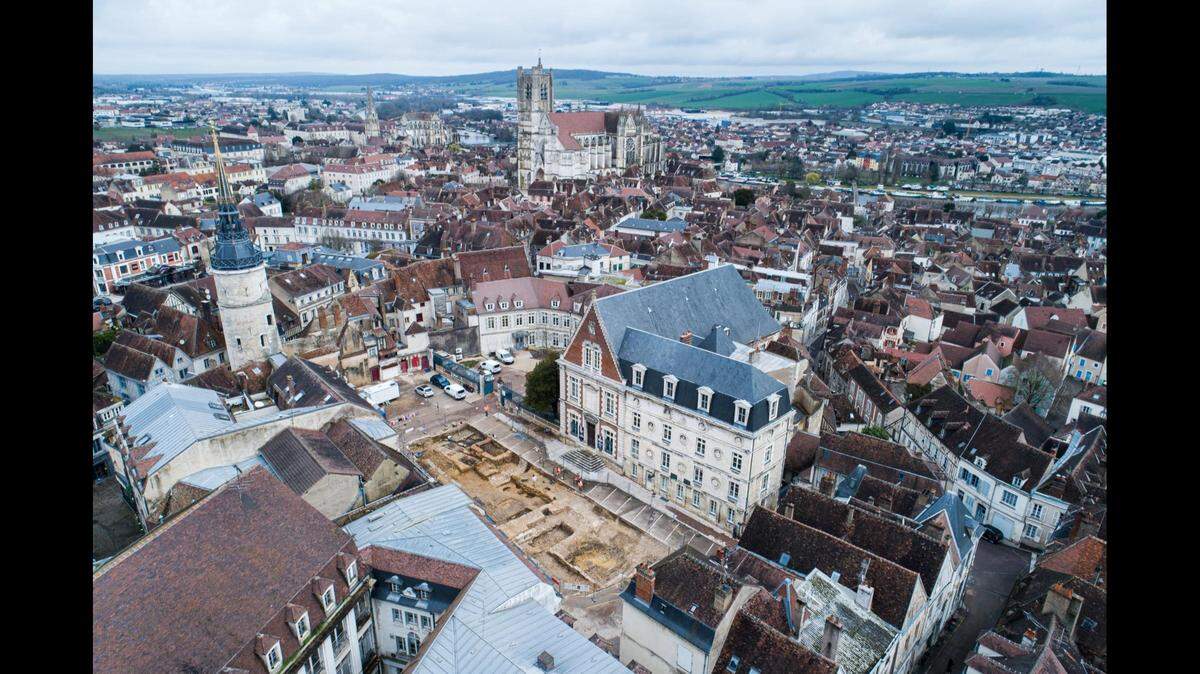
As excavators dug into the ground in a French courtyard, it wasn’t long before their shovels struck something hard.
The team from INRAP, the national archeological and preservation agency in France, was in the ancient city of Auxerre to prepare the courtyard for landscaping, according to a March 20 news release.
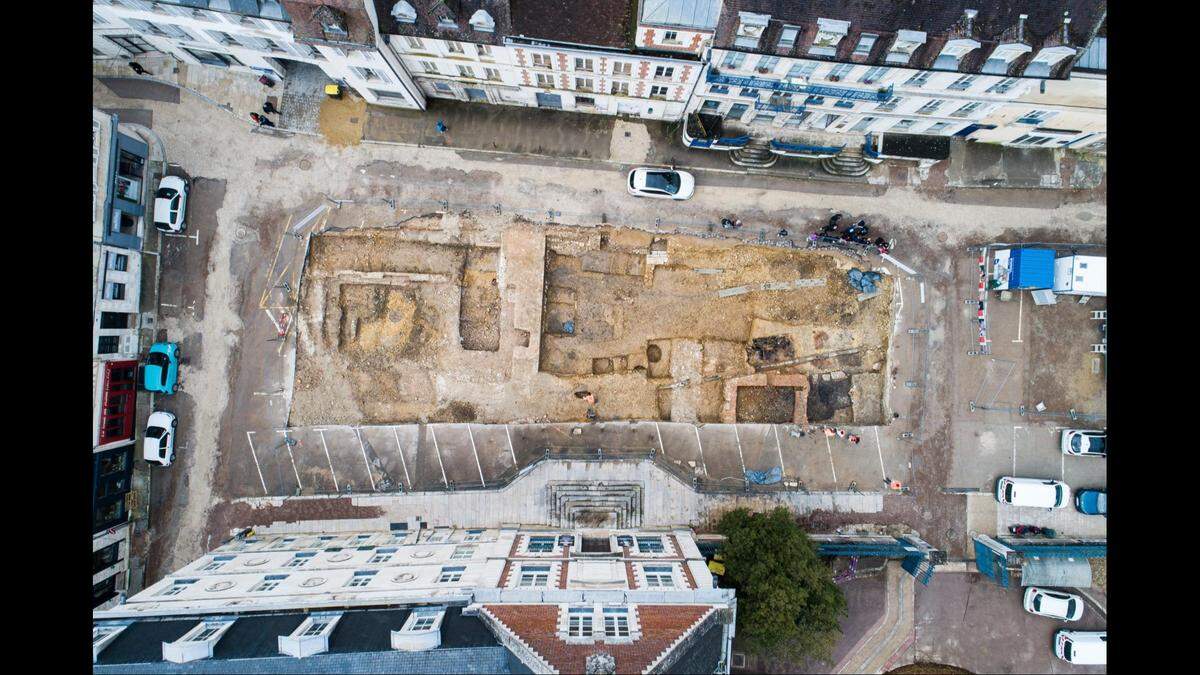
Instead, they found a 1,600-year-old fortified structure — and human remains.
Auxerre became a place of political and religious power in the third century when it became the capital of the province and home of a bishop, according to Britannica.
The city grew, overlooking the Yonne River, and soon fortified stone walls came together to create homes.
One of these constructions was found in the courtyard, the researchers said, and was made from rectangular cut limestone.
.jpeg "Baby cemetery _fitted (1).jpeg")
The foundation of the site is from the fourth century and was developed over the next 100 years to include hearths, cellars, wells and a housing unit, according to INRAP.
The floor is made from layers of clay and pebbles, showing the passage of time vertically, the researchers said.
The site is in the highest point in the city, again showing its power in the region, and was the location of a cathedral dedicated to Saint Alban in the fourth century, the researchers said. It was later replaced in the 14th century and then transformed into a library and museum in the 1860s.
There was, however, something unique about this historical courtyard.
Buried in the ground on the side of the homes were the bodies of infants, the researchers said.
Dating between the second and third centuries, the babies were perinatal, meaning they died before birth or recently after, according to INRAP.
They were swaddled and then adorned by bronze pins or fibula, a type of brooch, clearly buried with care.
.jpeg "Baby cemetery _fitted (2).jpeg")
The researchers said the babies’ ages would explain why they were found here and not in an official cemetery.
Babies who died before they reached 40 days old were not considered fully human under Roman law, according to the Vindolanda Charitable Trust, and therefore could not be buried with adults.
They were often buried under the floor or just outside settlements by bereaved parents whose grief overpowered their respect for the law of the time, the trust said.
The buildings that surround the courtyard still stand on the foundation laid centuries ago, the researchers said, but are part of a 2,000-year redevelopment project.
Auxerre is in the center of France, about a 100-mile drive southeast from Paris.
Google Translate was used to translate the news release from INRAP.
This story was originally published March 20, 2024 at 1:12 PM with the headline "Ancient baby cemetery found next to 1,700-year-old homes in France, researchers say."