Spells for the afterlife found on 52-foot papyrus scroll from ancient Egyptian tomb
Carefully placed inside an ancient Egyptian coffin sat a rolled-up papyrus.
While pharaohs came and went, empires rose and fell, the Nile flooded and receded, the papyrus remained unchanged and unopened. Not anymore.
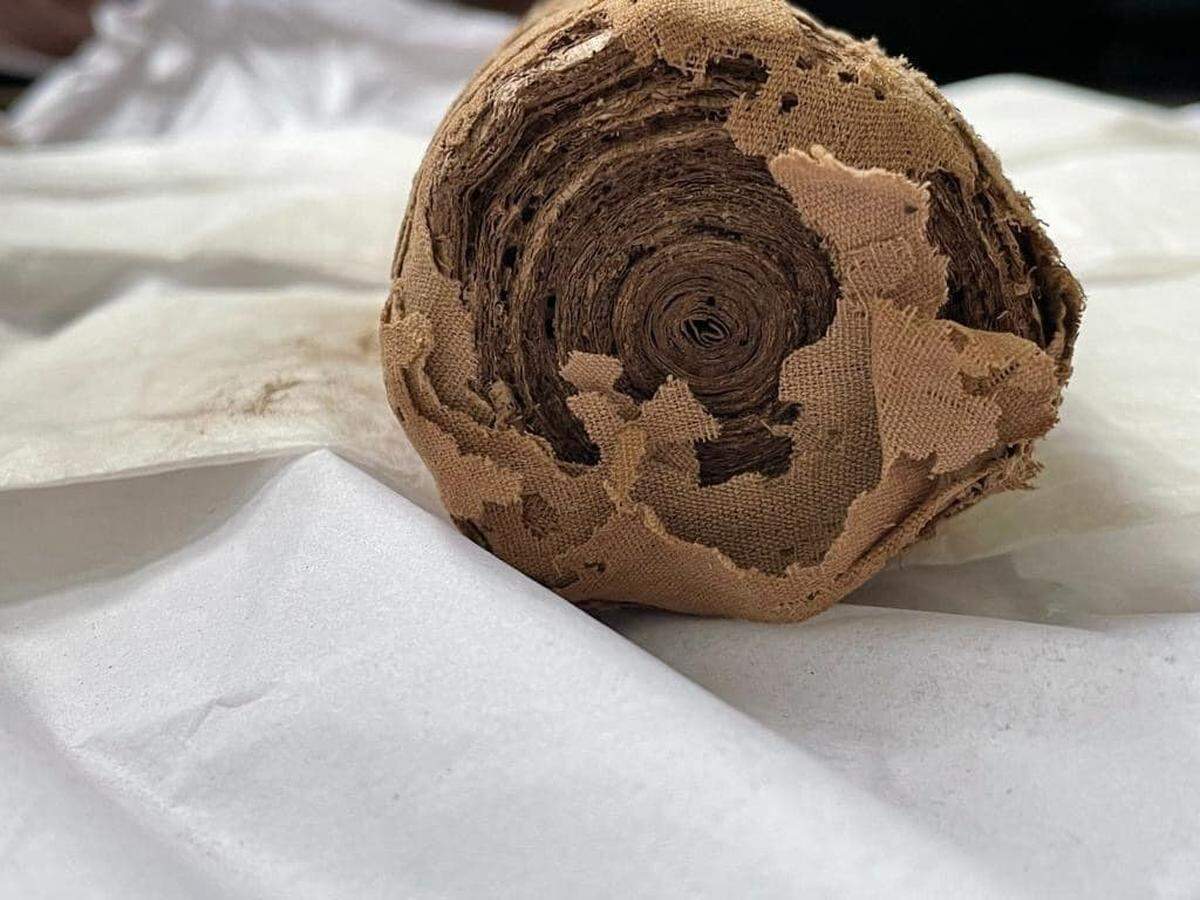
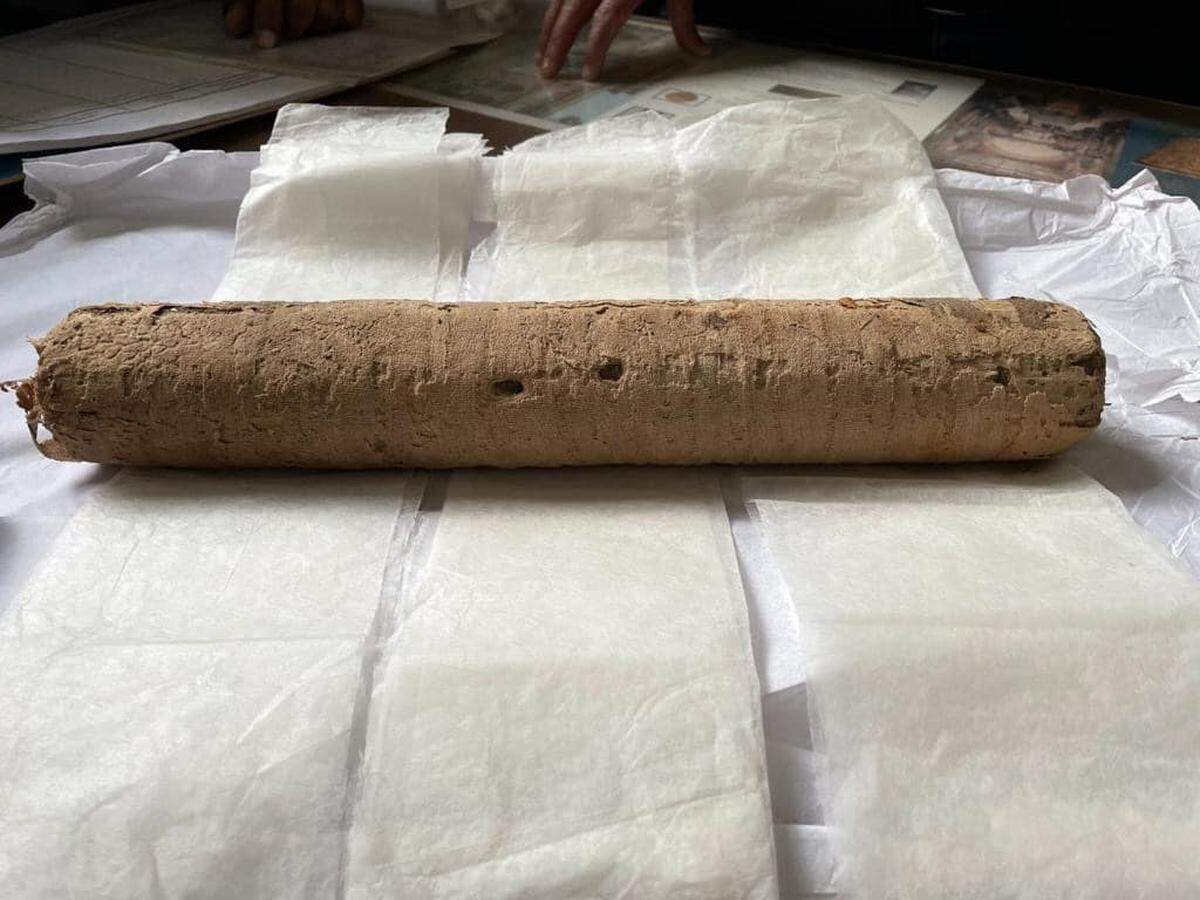
While excavating a tomb near the Saqqara burial complex, archaeologists uncovered the tightly rolled papyrus, Egypt’s Ministry of Tourism and Antiquities said in a Monday, Feb. 20, news release.
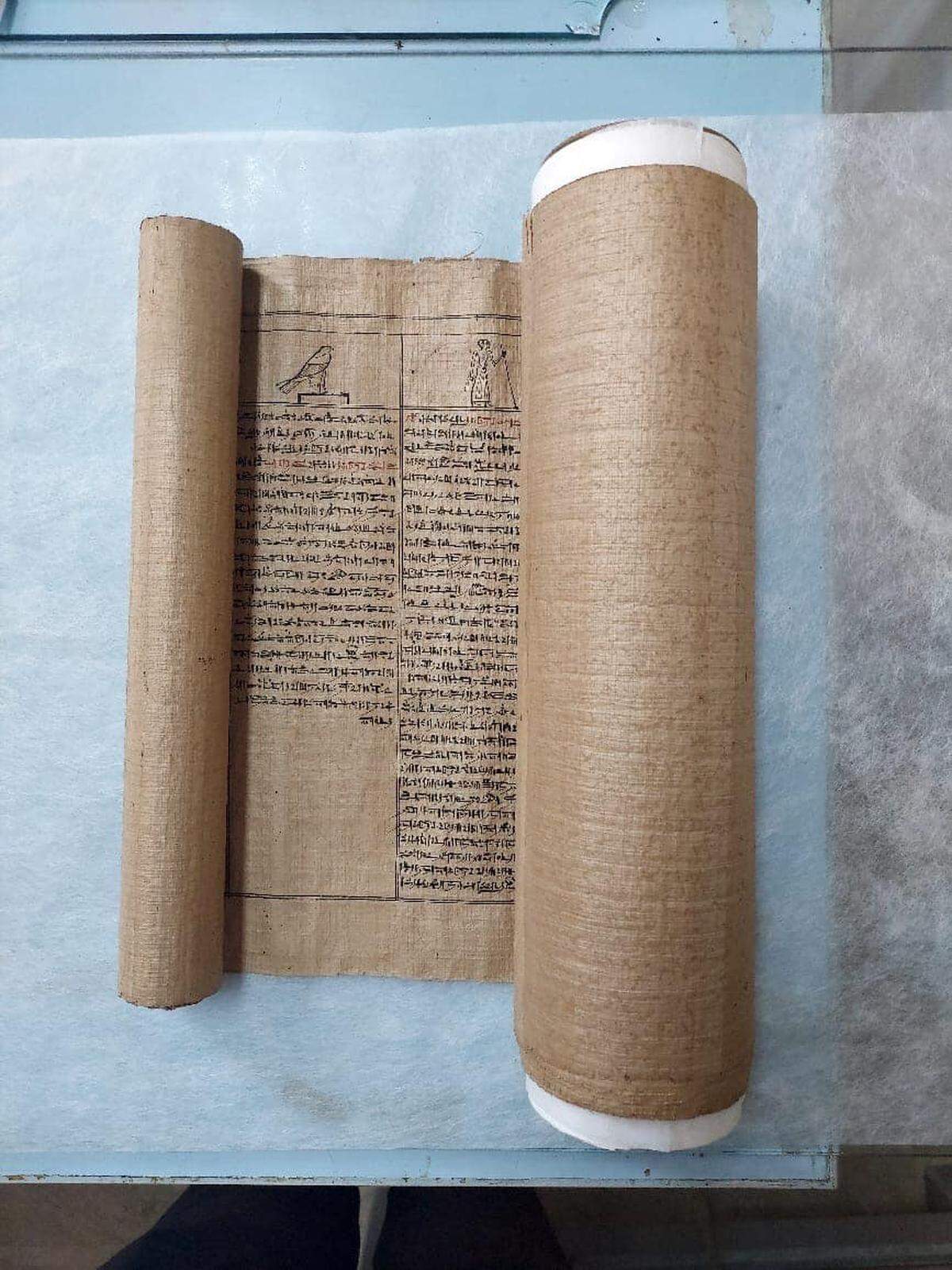
The papyrus scroll was still in its original wrapping. Photos show the thick, brown cylinder.
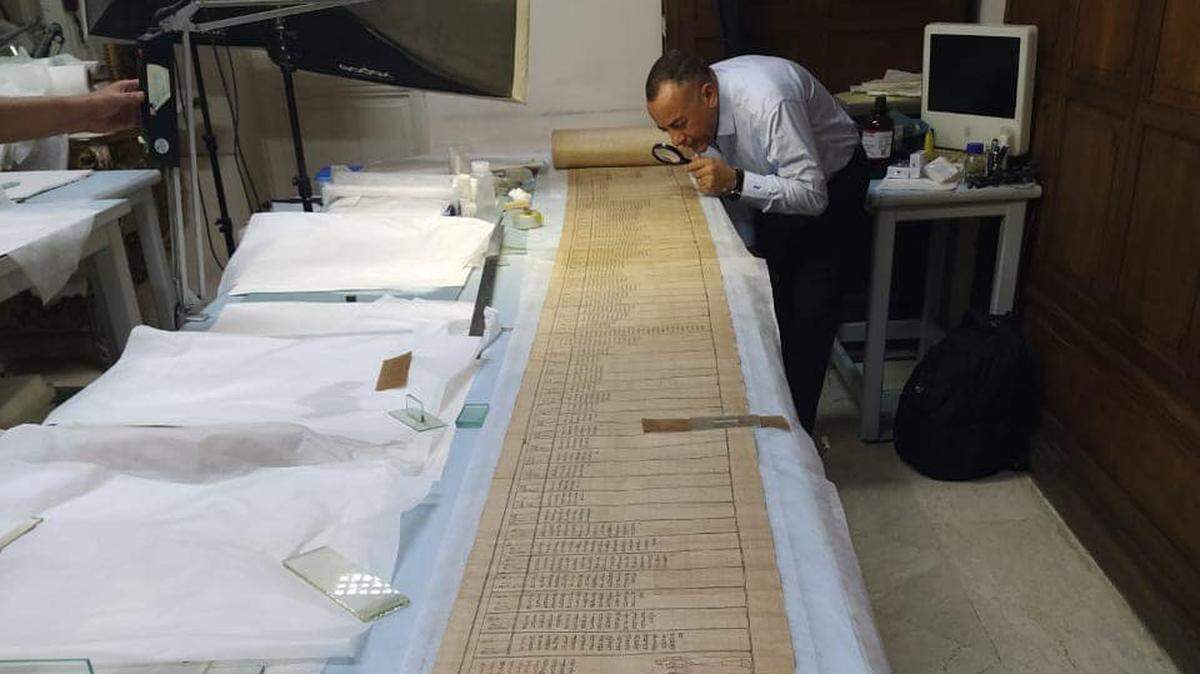
Archaeologists took the papyrus, named Waziri Papyrus 1, to a laboratory in Tahrir where it was carefully opened, according to the release. Fully unrolled, the scroll was about 52 feet long.
The papyrus was a version of the Book of the Dead belonging to a man named Ahmose, researchers said. It contained 113 chapters of spells, chants and prayers to guide Ahmose’s journey through the afterlife.
After an initial blank space, the papyrus’ first scene shows Ahmose worshiping Osiris, the ancient Egyptian god of the dead, researchers said. The rest of the scroll includes 150 columns written in hieratic script.
Hieratic is a cursive form of ancient Egyptian hieroglyphics, according to the Getty Center.
Most of the papyrus is written in black ink, but a few portions have red ink, photos show.
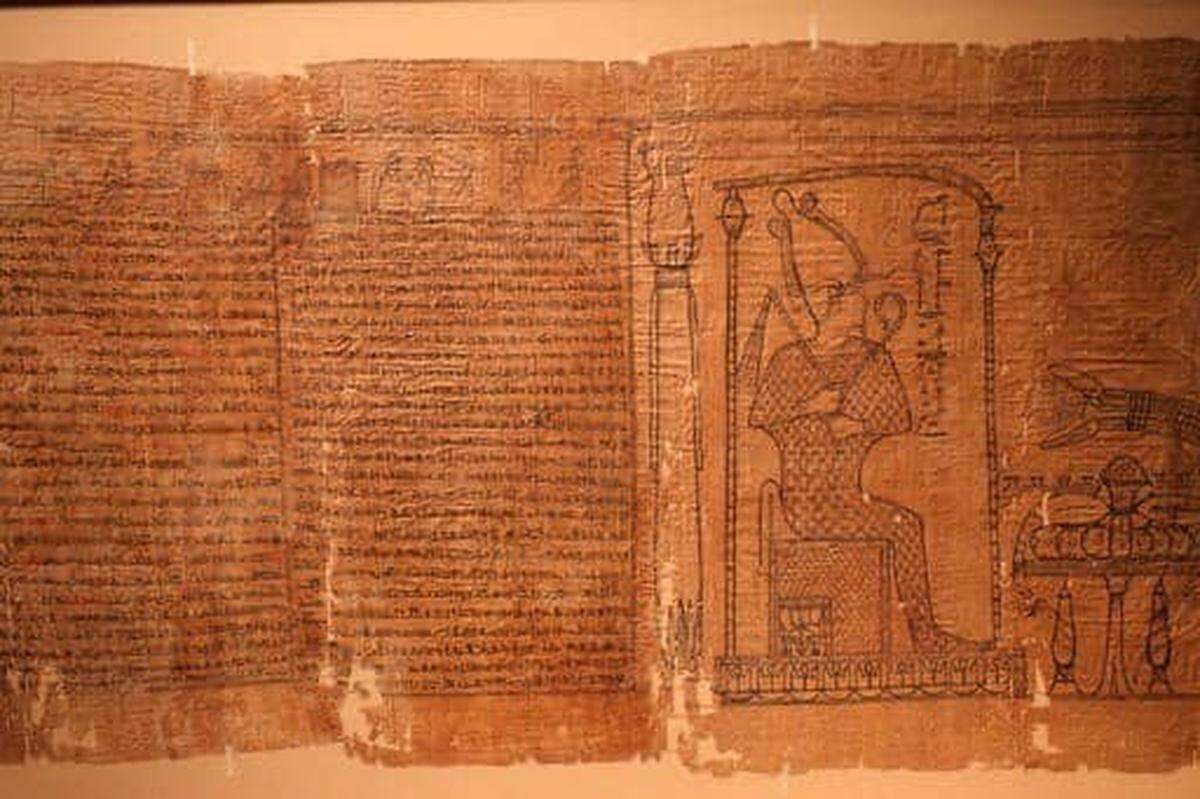
Waziri Papyrus 1 is the longest and most complete Book of the Dead written in hieratic script to be found in Saqqara, experts said. It is the first one found in over 100 years, officials said in a Jan. 16 news release.
The Book of The Dead is a modern name given to a collection of funeral texts from ancient Egypt, according to the World History Encyclopedia. The name is often misleading because “The Book of the Dead was never codified and no two copies of the work are exactly the same.”
Instead, these ”books” were collections of spells for the afterlife intended to help the deceased navigate their journey to paradise. Individuals would commission a Book of the Dead with their name in it and with the spells they wanted it to include, according to the World History Encyclopedia.
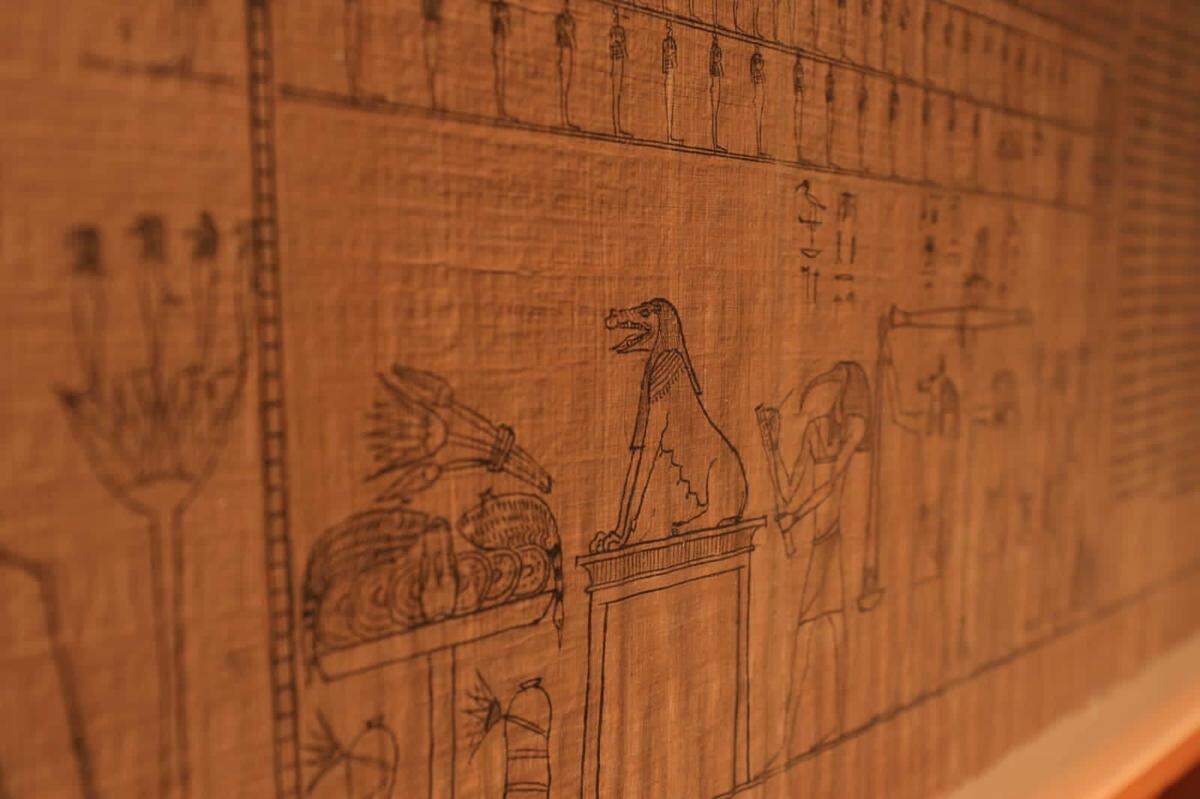
Nearly 200 different spells — sometimes referred to as chapters — have been found in various Books of the Dead, according to the Getty Center.
Some spells pertained to the body of the deceased, to retain control and strength, to avoid losing their head or heart, and to keep having air, food and water, an expert with The British Museum explained. Other spells gave the deceased the right answer to prevent gods or demons from attacking them in the afterlife and allow them to continue their journey to paradise.
The spells in the Book of the Dead were intended to be spoken aloud by the deceased as needed along their journey, according to the Getty Center.
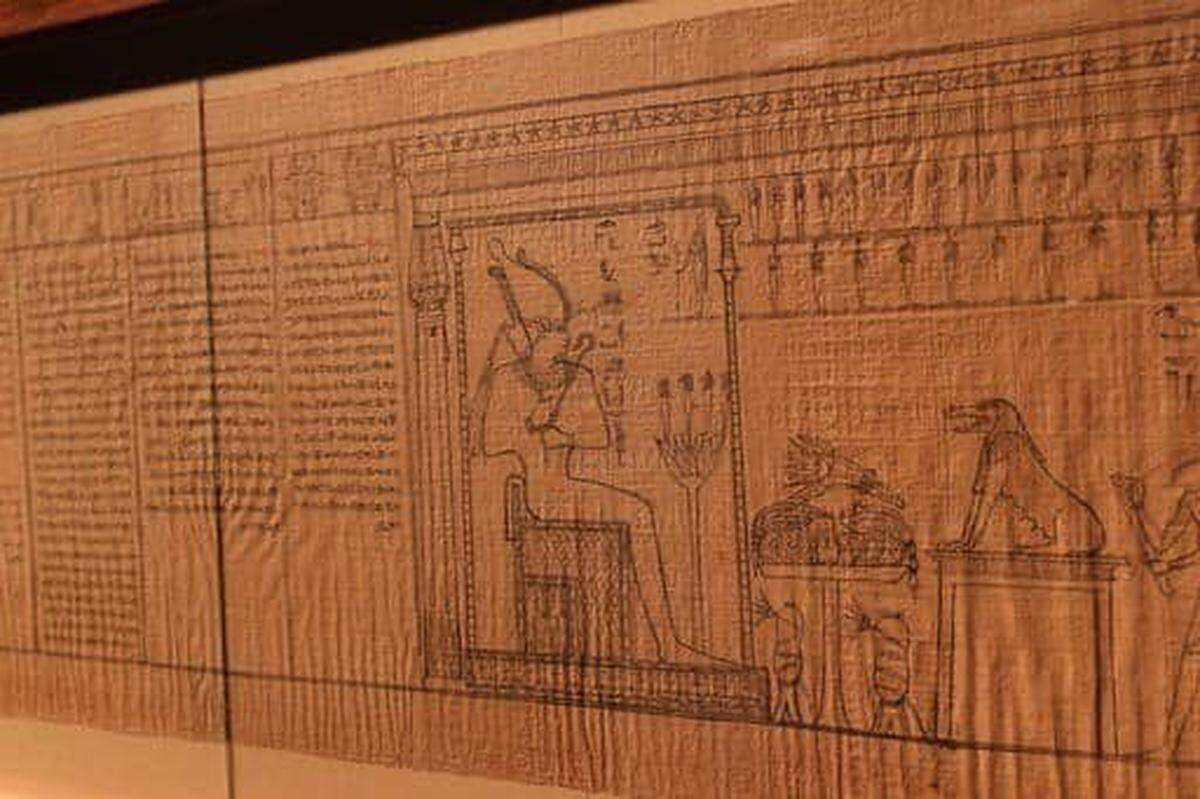
Researchers have not provided the age of this papyrus. One archaeologist told Live Science the coffin where the scroll was found dates to the Late Period, or about 712 B.C. to 332 B.C.
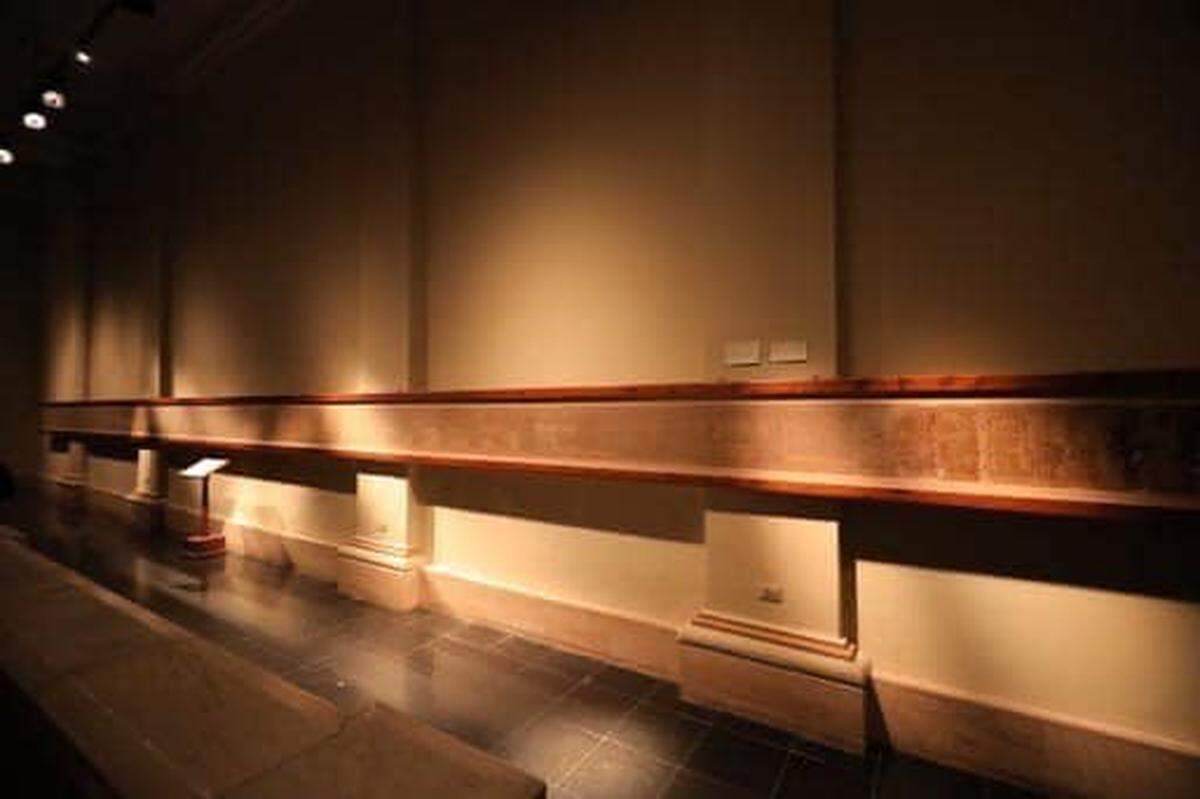
The fully restored papyrus is on display at the Egyptian Museum of Tahrir, officials said. The artifact was first uncovered in May 2022, according to officials.
The Saqqara burial complex is about 15 miles south of Cairo. The Egyptian Museum of Tahrir is in Cairo.
Google Translate and Facebook Translate were used to translate the news releases from Egypt’s Ministry of Tourism and Antiquities.
This story was originally published February 24, 2023 at 12:25 PM with the headline "Spells for the afterlife found on 52-foot papyrus scroll from ancient Egyptian tomb."