
Judge ends Trump freeze on immigration applications of Cubans, Haitians, Venezuelans
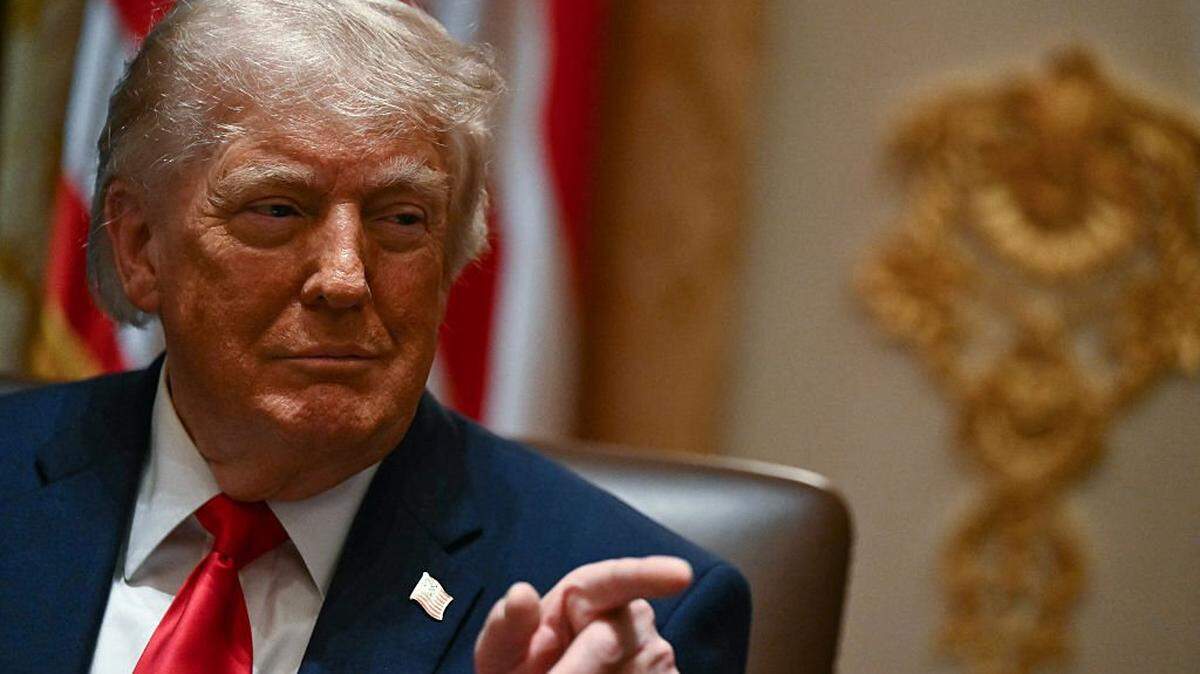
A federal judge on Friday lifted a freeze on the immigration applications of more than a million Haitians, Cubans, and Venezuelans in a ruling that struck down cornerstones of the Trump administration’s immigration agenda.
Chief Judge John J McConnell, Jr, of the U.S. District Court of Rhode Island, ruled that U.S. Citizenship and Immigration Services overstepped its authority, made decisions without providing the necessary explanations, and used national security as a pretext for making decisions based on anti-immigrant sentiments.
The judge struck down several USCIS policies issued across three memos in late 2025 and early 2026. They include a freeze on all applications for asylum and withholdings of removals across all nationalities and a hold on pending immigration applications from 39 countries, including Cuba, Haiti, Venezuela.
Those applications are for work permits, family-based green cards, employment visas, citizenship and more.
Also declared unlawful in Friday’s ruling were a mandate to review all approved immigration applications during the Biden era from the 39 countries, and a requirement that USCIS officials deem certain nationalities as a negative factor when deciding applications.
The challenged policies placed the lives of countless individuals on hold — solely by virtue of their countries of birth,” the judge, appointed to the federal bench by President Barack Obama wrote. “Over six months later, many of those individuals remain without work, without legal status, and without any meaningful ability to plan for their futures.”
In a statement to the Miami Herald, James Percival, the Department of Homeland Security’s general counsel, said that “The Left has been running the same gambit with so called ‘animus’ claims since 2017. It is sabotage dressed in legal clothing. It goes like this: (1) the admin is racist, (2) therefore a policy I don’t like is motivated by race, (3) therefore it is invalid. They have used it on virtually every Trump era Department of Homeland Security policy.”
Meanwhile, advocates, experts, and lawyers celebrated the decision on Friday.
Tessa Petit, the executive director of the Florida Immigrant Coalition, called the ruling a “powerful affirmation of a simple but fundamental principle: the rule of law must apply to everyone equally.” She called the targeting of certain countries, many of them majority Black, “a blatant discrimination based on xenophobia and racism.”
READ MORE: Million-plus immigration-benefits applications from Cuba, Haiti, Venezuela frozen
“This is wonderful news for many people who have been stuck in limbo for many months,” Jorge Loweree, the managing director of programs and strategy at the American Immigration Council, told the Herald. “These policy changes are a clear set examples of the administration’s approach to immigration generally and their unending desire to do everything they can to whittle the system down.”
Loweree called it a “sand in the gears approach.”
Many of the people affected are already in the United States, and the limbo left them unable to work or vulnerable to detention and deportation. The development will bring relief to many residents of South Florida, where many Cubans, Haitian and Venezuelans have had their applications frozen for months. A Cato Institute report from March estimated that there were more than 1.2 million frozen applications from these three nationalities, making up the bulk of the 2 million frozen total applications.
That includes Cubans who have for decades had a fast track through permanent residency through the Cuban Adjustment Act, a legislation that allows people from the island to apply for green cards a year and a day after arriving in the United States.
Haitians, Venezuelans, and Cubans have also been the target of other policies aimed at limiting migration from those countries. That includes the Trump administration’s termination of deportation protections under Temporary Protected Status for Venezuela and Cuba, as well as the end of a parole process that allowed people from those three nationalities, plus Nicaraguans, to come live legally in the U.S. for two years.
In the ruling, the judge wrote that the Trump administration often said in court documents that those wishing to come to the U.S. should follow the law.
“This case serves as a perfect example of doing just that…they have, for example, filed the paperwork, paid the required filing fees, submitted to the requested biometrics collections, and attended the necessary in person interviews,” wrote McConnell, adding that they were still “stuck waiting.”
Like other federal judges before him, McConnell pointed to racist comments made by President Donald Trump and former Secretary of Homeland Security Kristi Noem that are “not part of the administrative record,” but that he said show the reasoning behind the policies. That includes a statement from Noem on social media, a day before the asylum and benefits freeze. Noem said that she had met with Trump and recommended “a full travel ban on every damn country that’s been flooding our nation with killers, leeches and entitlement junkies.”
“The government effectively invites the Court to shut its eyes and ignore the strong evidence of anti-immigrant animus before it. Doing so would require profound naiveté on the Court’s part. Unfortunately for the government, that is an invitation that this Court will have to decline,” the judge wrote.
The Trump administration could still request a stay on the order from an appeals court or ask the Supreme Court to intervene in an emergency request, as it has done in federal immigration cases where judges have ruled against them. So far, the Supreme Court has allowed the termination of TPS for Venezuelans to proceed while litigation in a lower court unfolds.
And recent remarks from Department of Homeland Security Secretary Markwayne Mullin have raised questions about whether the agency will abide by this ruling and future court orders. In a development that alarmed legal experts, Mullin could not guarantee to Congress this week that DHS would follow judge’s rulings, and said DHS would evaluate whether they were politically motivated. Loweree described the remarks “incredibly concerning.”
Friday’s federal court decision stems from a lawsuit filed by nonprofits and labor unions, including Dorcas International Institute of Rhode Island, Venezuelan Association of Massachusetts, and Services Employees International Union. Those groups have thousands of clients and members affected by the policies, including a postdoctoral researcher in biomedical engineering at a major university, a Haitian doctor trained in trauma care and general surgery who fled gangs in his home country, an Iranian neuroscientist specialized in psychiatry, and a Sudanese political science college student.
The lawsuit was filed against the Department of Homeland Security, U.S. Citizenship and Immigration Services, and its top leadership. USCIS is in charge of granting immigration benefits and vetting applicants for student and work visas, green cards and citizenship.
Under the Trump administration, it has turned into another vehicle for immigration enforcement. The agency leadership has acknowledged close collaboration with Immigration and Customs Enforcement, the agency in charge of detention and deportation.
This story was originally published June 5, 2026 at 11:15 AM with the headline "Judge ends Trump freeze on immigration applications of Cubans, Haitians, Venezuelans."