
Measles surge in South Carolina ends after sickening nearly 1,000
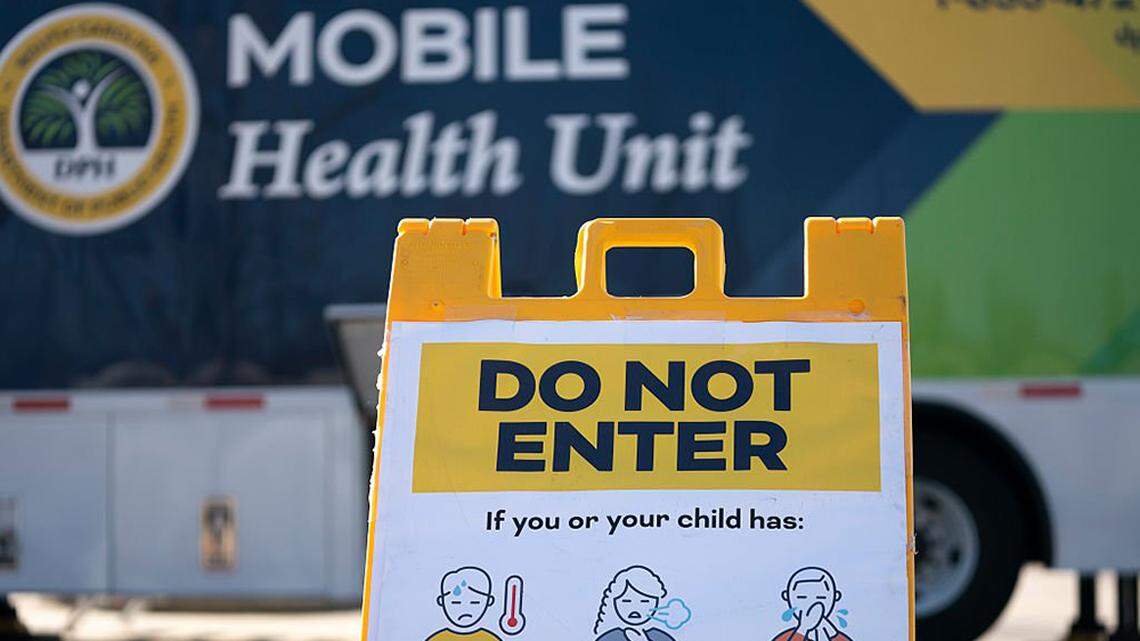
A large measles outbreak in South Carolina that sickened nearly 1,000 people, a vast majority of whom were unvaccinated children, was declared over Sunday.
The outbreak, which began in October and became the largest since measles was eliminated in the United States in 2000, led to 21 hospitalizations. Some of those patients developed severe complications such as pneumonia and brain swelling.
State public health officials declared the measles outbreak over after reporting no new cases in the region in 42 days, the standard measure for determining an outbreak’s end.
Most of the cases were in Spartanburg County, where a close-knit, evangelical Slavic community bore the brunt of the cases and where childhood vaccination rates have been falling in recent years. Just 89% of school-age children were up to date on their required immunizations, including the measles, mumps and rubella shots, this academic year. That was down from 94% in the 2021-22 school year. About 95% of a community needs to have the measles vaccine to stem the spread of the virus.
The outbreak was contained, in part, because of a vaccination effort led by local clinics, pharmacies and doctors who together administered nearly 4,000 additional doses of the measles, mumps and rubella shot in the county compared with the year before.
But state health officials also noted that the virus, which is highly contagious, sickened so many unvaccinated people in the area that there were no more vulnerable people to infect.
Even those who avoided infection experienced significant disruptions during the outbreak. More than 870 students had to quarantine, which kept them home from school for weeks at a time. Some unvaccinated students were exposed to the virus on two separate occasions, leading them to quarantine twice, for 21 days each.
Local health officials said they were relieved to put the outbreak behind them but acknowledged that the community would likely have to grapple with the consequences of the outbreak for years to come. Measles can cause “immune amnesia,” when the virus wipes out the protection children have acquired from other infections. This can leave them more susceptible to these illnesses, like skin infections and the flu, for months or years.
And in very rare cases, the virus can also cause subacute sclerosing panencephalitis, a degenerative condition that causes brain swelling and can occur up to a decade after the illness. It is almost always deadly.
“Will we let out a big sigh of relief? Yes,” said Dr. Brannon Traxler, chief medical officer at the state’s department of public health. “But we will not just throw a big party and never think about measles again.”
There are still several ongoing measles outbreaks in the United States, including in Florida and Utah. The number of measles cases in the United States hit a 34-year high in 2025, and the country is on track to surpass that record this year.
The federal health department has drawn scrutiny for its handling of the outbreaks under the leadership of Health Secretary Robert F. Kennedy Jr. At a hearing last week, Kennedy -- who has long cast doubt on vaccines -- repeatedly defended his track record and offered one of his strongest endorsements of the shot yet: “We have advised every child to get the MMR. That’s what we do,” he said.
The spread of measles internationally or in any part of the United States heightens the risk that a new case will be introduced into another community with low vaccination rates, like the one in Spartanburg County. Last week, South Carolina health officials reported a new case in a different part of the state, unrelated to the recent outbreak. They said that 34 people may have been exposed to the virus.
“This case reflects the reality of the world we live in,” Traxler said, adding that measles outbreaks in other parts of the country and world pose “a constant threat.”
This article originally appeared in The New York Times.
Copyright 2026 The New York Times Company