
‘Whitish’ creature with ‘red orange’ ovaries found in Florida lagoon is a new species
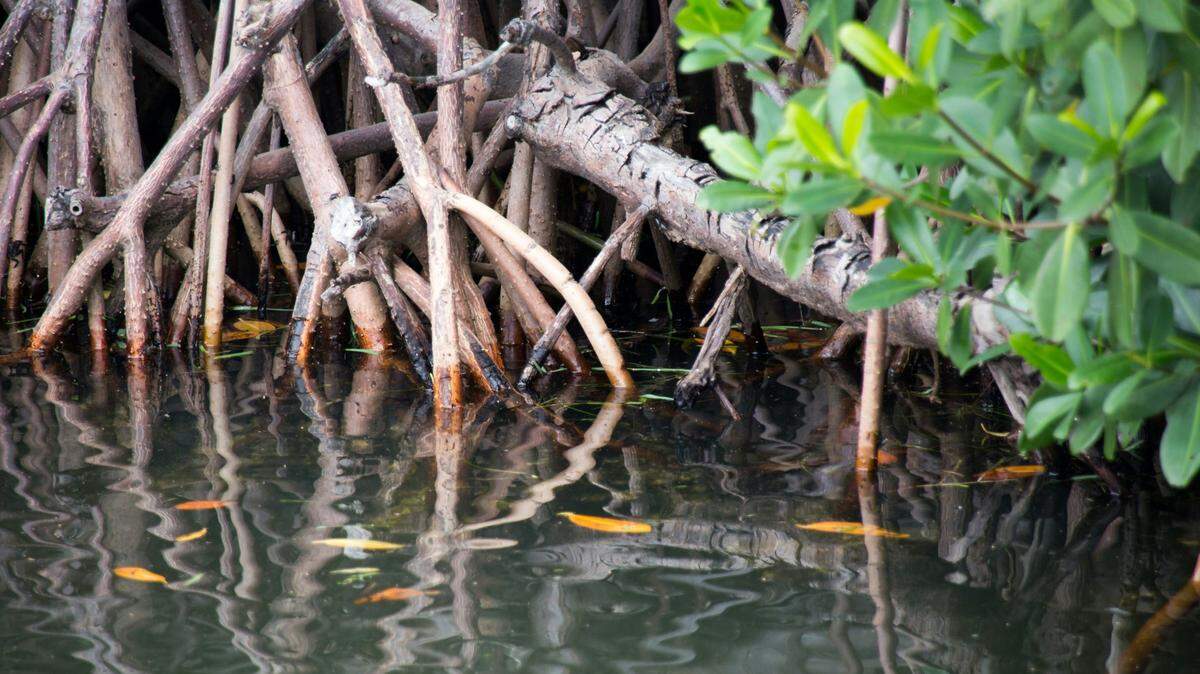
A group of scientists ventured into a biodiverse Florida estuary and sucked small aquatic creatures out from their burrows to study them.
In doing so, they identified a new species of shrimp.
Until now, the shrimps discovered in the Indian River Lagoon on the Atlantic coast were confused with another species of shrimp, researchers said in a Jan. 31 study published in the peer-reviewed journal Zootaxa.
But it turns out the two species “may not be closely related,” the study authors wrote.
They visited the waterways that make up the lagoon between the mainland of Florida and the barrier islands just off the Atlantic coast near the Fort Pierce Inlet and used suction pumps to extract the shrimps from burrows, according to the study.
Scientists have been analyzing shrimp families in the Indian River Lagoon since 1986, but only now have they documented that two species previously thought to be the same have notable differences in body proportions, eyes and other areas, making them two distinct species.
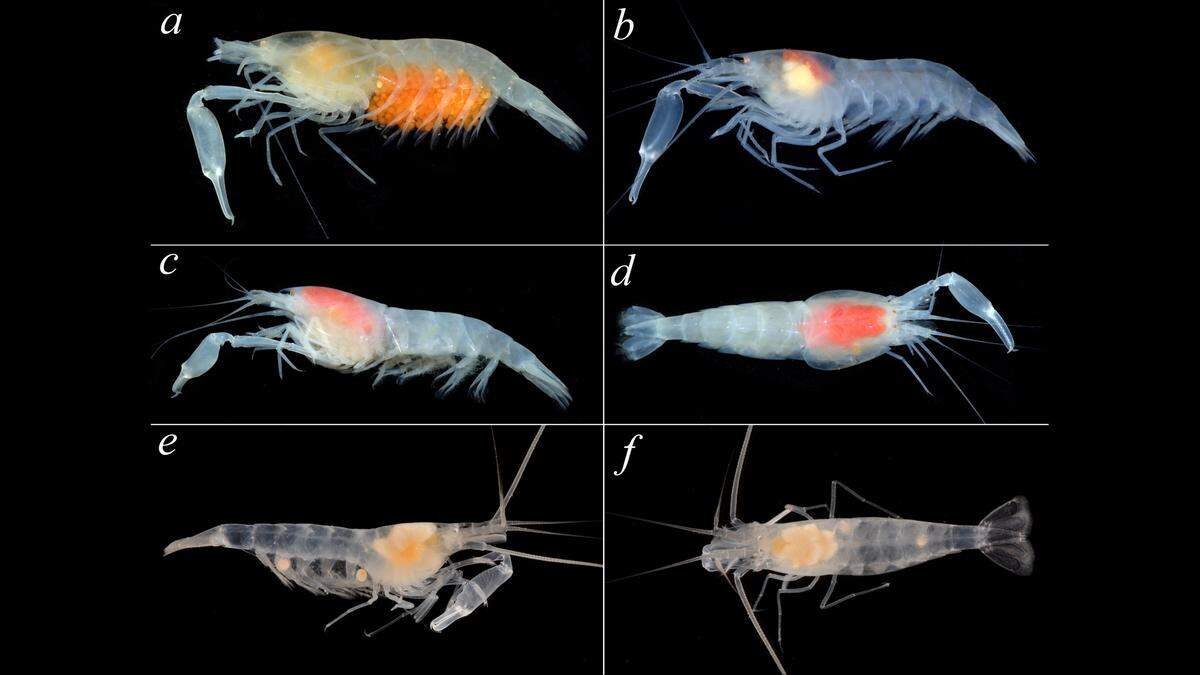
The new species, named Salmoneus manningi, is “overall whitish” with “ivory white” asymmetrical claws, researchers described. Their ”orange yellow” eggs and their red digestive organs stand out from their mostly pale, “somewhat opaque” bodies.
They have light orange eyes that can appear brownish, as well as “red orange” ovaries, according to researchers.
Study author Justin Scioli told McClatchy News that the shrimps are a type of hermaphrodite that all start out as males but later develop both male and female sexual functions.
The new species takes its name from the late Dr. Raymond B. Manning, “who contributed to the collection of a large part of the herein reported material and worked extensively at the Smithsonian Marine Station at Fort Pierce and in the Indian River Lagoon region,” the authors wrote.
The shrimps are largely found in burrows and sediment at the bottom of “intertidal and shallow subtidal sandflats, typically with seagrass meadows,” according to researchers.
They added that four of the specimens were pumped from the same burrows as the burrowing mantis shrimp, “suggesting a possible symbiosis between these two crustaceans.”
The shallow, 156-mile long Indian River Lagoon is “considered one of the most biologically diverse estuaries in North America,” according to Florida State Parks. About 2,200 animal species and 685 fish species have been documented in the brackish marshes and wetlands there.
The bodies of water that make up the lagoon extend from the Jupiter Inlet in Palm Beach County to the Ponce de Leon Inlet in Volusia County.
The study authors included Scioli and Arthur Anker.
This story was originally published February 4, 2025 at 9:44 AM with the headline "‘Whitish’ creature with ‘red orange’ ovaries found in Florida lagoon is a new species."