
Trump wants to end ‘inconvenient’ daylight saving time — but it’s been scrapped before
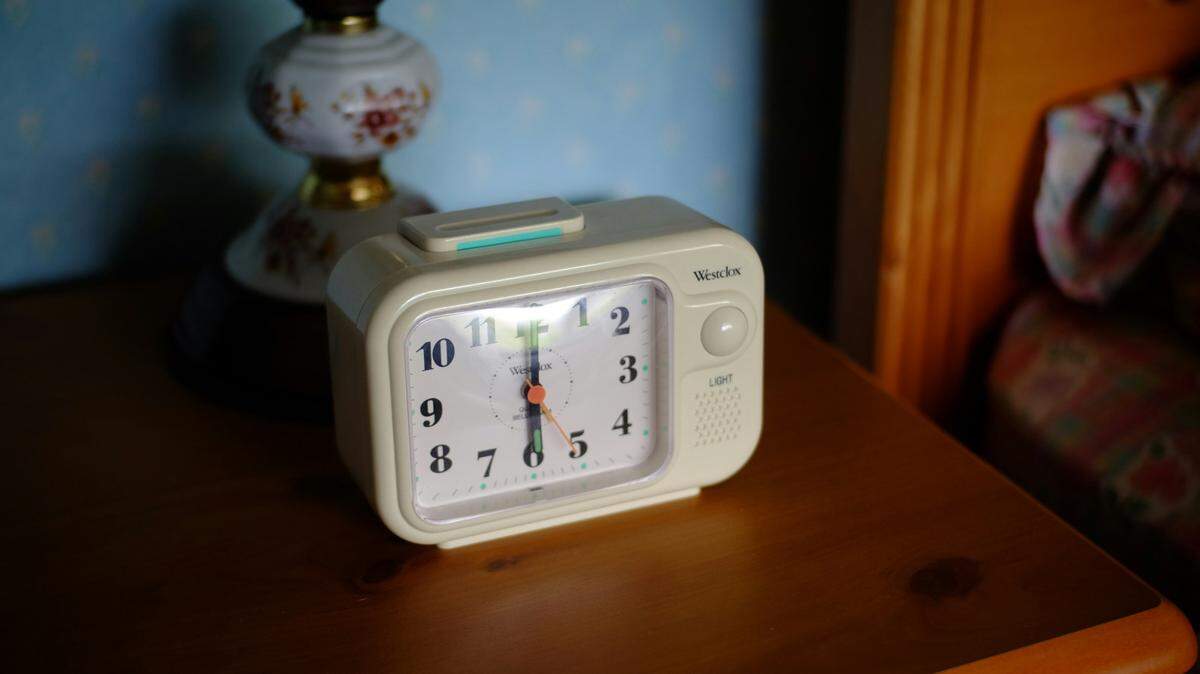
Ahead of his inauguration next month, President-elect Donald Trump called for ending daylight saving time.
“The Republican Party will use its best efforts to eliminate Daylight Saving Time, which has a small but strong constituency, but shouldn’t,” Trump wrote in a Dec. 13 Truth Social post.
“Daylight Saving Time is inconvenient, and very costly to our Nation,” he added.
If Trump and the GOP are successful in their bid to stop turning back the clocks, it would not be unprecedented. In fact, over the past century, daylight saving time has been adopted and abandoned several times.
History of daylight saving time
In 1918, Congress passed the Standard Time Act, which officially established daylight saving time throughout the U.S., according to Navy records.
By increasing the amount of daylight throughout the day, it brought down energy costs for the country during World War I, according to the Defense Department. However, it was a controversial proposal, and when the war ended, it was repealed.
National daylight saving time was reinstituted during World War II — again to save on energy costs and “promote national security and defense.” When the war drew to a close in 1945, it was repealed.
“For the next two decades, there were no set rules for daylight saving time, which caused a lot of confusion for the transportation and broadcast industries,” according to the Defense Department.
This changed in 1966, when Congress passed the Uniform Time Act, which included a permanent system of daylight saving time, according to the Bureau of Transportation Statistics.
However, in 1973, in response to energy shortages, Congress passed the Emergency Daylight Saving Time Energy Conservation Act. The act established a two-year trial period for year-round daylight saving time, according to a Congressional Research Service report.
While the trial proved popular at first, approval ratings dropped by 1974, with one of the main complaints being the lack of sunlight on winter mornings, according to the Smithsonian Magazine. In October of that year, President Gerald Ford signed a bill that ended permanent daylight saving time, cutting the trial period short.
Trump and daylight saving time
Trump has championed this issue in the past. In 2019, during his first term, he announced that he supported making daylight saving time permanent — a move that several states had been considering, according to the Washington Post.
Three years later, in 2022, the U.S. Senate unanimously passed a bill — introduced by Florida Sen. Marco Rubio, now Trump’s nominee for secretary of state — that would have made daylight saving time permanent starting in 2023.
“This ritual of changing time twice a year is stupid,” Rubio said in 2023. “Locking the clock has overwhelming bipartisan and popular support.”
However, the House, led by then-Speaker Nancy Pelosi, never voted on companion legislation, forestalling the effort.
Now, with Republicans set to control both chambers of Congress, the legislation could face better chances of success.
Recent polls have shown ending daylight saving time is popular. A 2022 Monmouth University poll found 61% of Americans want to eliminate daylight saving time. Similarly, a 2023 YouGov poll found 62% of Americans support ending the twice-yearly time change.
This story was originally published December 16, 2024 at 10:42 AM with the headline "Trump wants to end ‘inconvenient’ daylight saving time — but it’s been scrapped before."