
Why do gas prices keep rising? Here’s what to know about increases at the pump
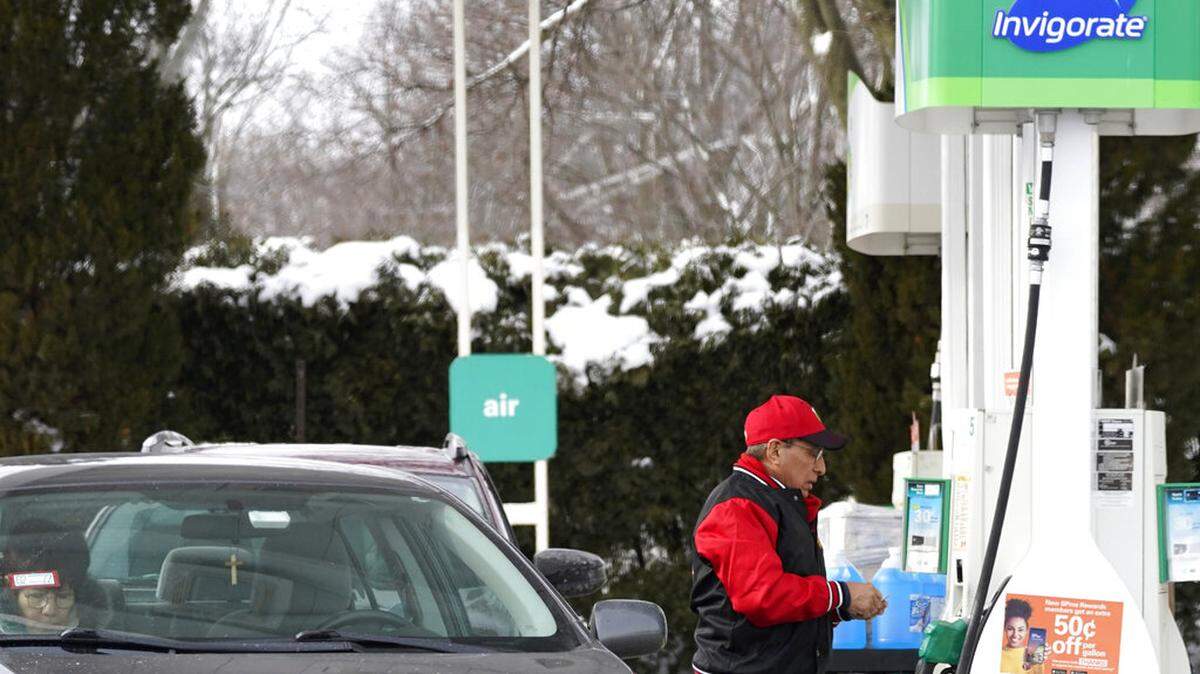
Gas prices continue to rise in most of the United States, and top analysts say it will likely continue.
The average gas price in the country is about $2.47 per gallon Monday morning, according to GasBuddy.com. This price represents a nearly 15-cent increase from a month ago and a 3-cent increase from the same date a year ago.
Gas prices dipped from $2.51 at the start of 2020 down to $1.82 on April 1, Gas Buddy’s price trends chart shows. They have been steadily increasing since then and have now rose around 34 cents since the beginning of November.
AAA reported Monday gas prices in Florida, Michigan and West Virginia all increased by at least 10 cents from the previous week. Gas prices rose at least 5 cents in seven other states, AAA said.
Why are gas prices surging — and will it stop anytime soon?
The cost of crude oil has played a major role in the increase. AAA said growing crude prices will continue to cause higher prices at the pump in February.
“For nearly a year, motorists have been saving 53 cents a gallon, on average, when filling up their gas tanks. That extra pocket change is quickly going to dwindle thanks to rising crude oil prices that have made for more expensive pump prices,” AAA spokesperson Jeanette Casselano McGee said.
The country’s economic recovery from the COVID-19 pandemic is also playing a role in prices you see at the pump. Patrick De Haan, an analyst for Gas Buddy, said it is “inaccurate” to blame President Joe Biden on gas prices, as the trends preceded him..
“The market is going up due to COVID. Oil’s plummet last year and the corresponding crash in demand that’s now recovering is the major factor,” De Haan said Sunday. “Not ‘regulations.’ And there are only supply concerns now because COVID decimated oil demand last year and that demand is coming back now.”
He said last week prices will likely continue to increase. But at what end?
While De Haan is concerned prices could eventually reach an average of $3 per gallon, another leading analyst does not expect that to happen.
Tom Kloza, global head of energy analysis at the Oil Price Information Service, said demand for gasoline won’t increase to a level seen before the coronavirus pandemic, according to Market Watch.
“Too many habits have been changed, perhaps forever, and one doesn’t use gasoline at Zoom meetings, Microsoft Teams’ gatherings and other virtual showcases,” he told Market Watch.
Least expensive markets on average, according to AAA
Mississippi: $2.14 per gallon
Texas: $2.16 per gallon
Oklahoma: $2.18 per gallon
Missouri: $2.19 per gallon
Louisiana: $2.20 per gallon
Most expensive markets on average, according to Gas Buddy
California: $3.37 per gallon
Nevada: $2.84 per gallon
Washington: $2.79 per gallon
Pennsylvania: $2.74 per gallon
Oregon: $2.63 per gallon
This story was originally published February 8, 2021 at 8:05 AM with the headline "Why do gas prices keep rising? Here’s what to know about increases at the pump."