
15 of world’s most influential scientists work for, or with, this Tri-Cities lab
AI-generated summary reviewed by our newsroom.
- PNNL and affiliates placed 15 researchers on Clarivate’s 2025 most-cited list
- Clarivate selection requires top 1% citations by field over the past decade.
- PNNL scientists drive advances in energy, materials and earth systems research.
Thirteen researchers for Pacific Northwest National Laboratory and two affiliates of the Tri-Cities lab have been named to a prestigious list of the world’s most influential researchers in 2025.
“These researchers continue to shape the future of science, technology and academia globally and deliver innovation that drives societal progress,” said David Pendlebury, head of research analysis at the Institute for Scientific Information.
The list, compiled by Clarivate, measures influence by the number of times research is cited by other researchers in their field.
To be included on the annual list, researchers must rank in the top 1% by citations in their field over the past decade. About one in 1,000 researchers make the list.
This year scientists and engineers in 60 countries and regions made the list, with the United States having by far the most awards at 7,131. That was followed by mainland China with 1,406 awards and the United Kingdom with 570.
Deb Gracio, director of the Department of Energy lab in Richland, said that PNNL is a reflection of employees’ “groundbreaking contributions to advance knowledge and drive innovation in their respective fields.”
Two of the PNNL scientists on the 2025 ranking received recognition in two fields. Wu Xu and Jason Zhang were recognized for both engineering and materials science.
Award winners
• Kate Calvin, earth scientist at PNNL’s Joint Global Change Research Institute (JGCRI) and joint appointee at the University of Maryland College Park.
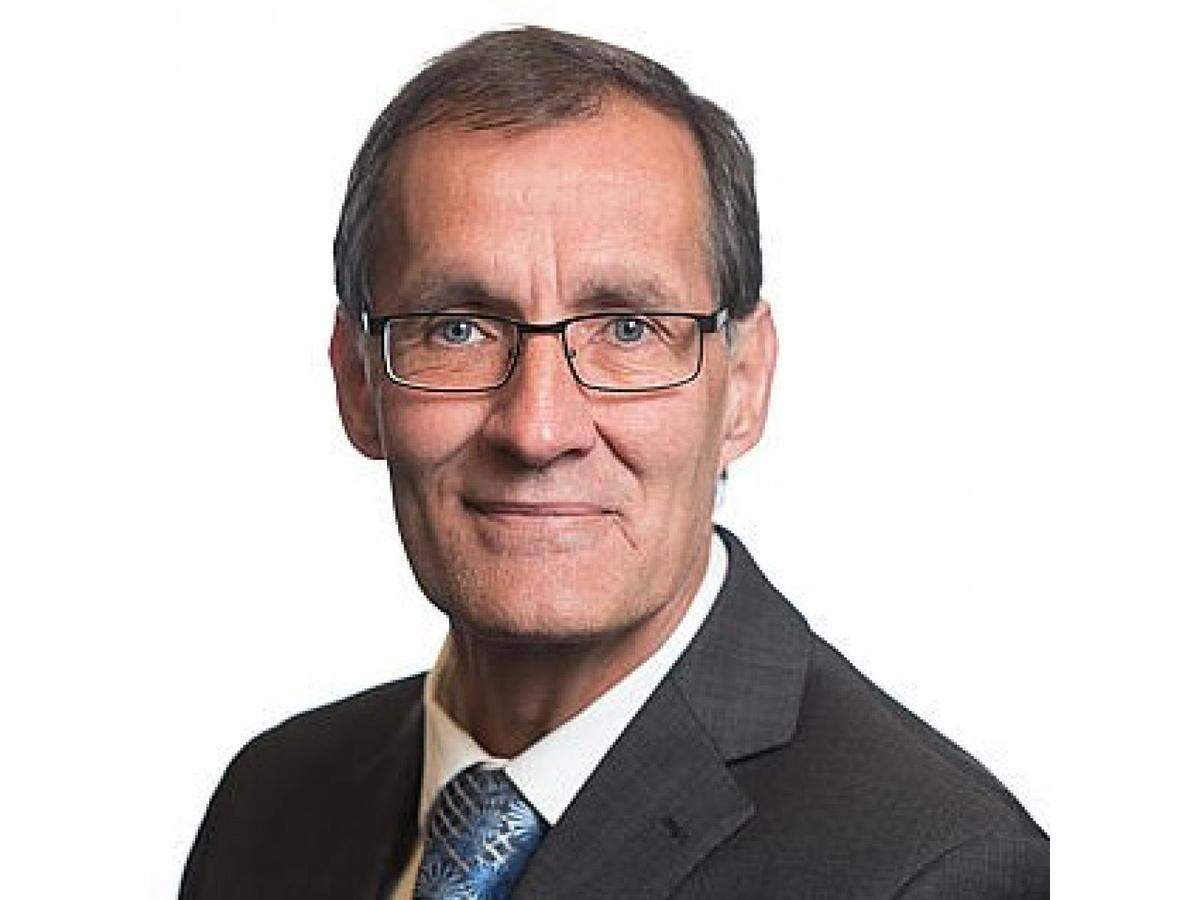
• Mark H. Engelhard, chemist in the PNNL Energy Processes and Materials Division. He has been named a highly cited scientist multiple times. His research has involved advancing and using surface sensitive techniques, particularly X-ray photoelectron spectroscopy, to study surface and interphase chemistry. He has authored or co-authored about 600 peer-reviewed scientific publications, five book chapters and more than 15 technical reports, according to the PNNL website.
• Matthew J. Gidden, deputy director of PNNL’s Joint Global Change Research Institute and joint appointee at the University of Maryland College Park.

• Janet K. Jansson, biologist and laboratory fellow, retired. She has more than 30 years of experience in microbial ecology. Her expertise is in the use of molecular approaches to study complex microbial communities, such as those residing in soil, sediments and the human gut.
• Page Kyle, earth scientist at JGCRI.

• Nate G. McDowell, earth scientist and joint appointee at Washington State University. He applies plant physiological ecology at global scales to understand terrestrial ecosystems. His work has focused on how environmental conditions regulate the distribution, growth and survival of plants; the subsequent impacts on ecosystem functions; and mitigation strategies. He has been named to the highly cited list multiple times.
• Brian C. O’Neill, Earth Scientist at JGCRI and Joint Appointee at the University of Maryland College Park
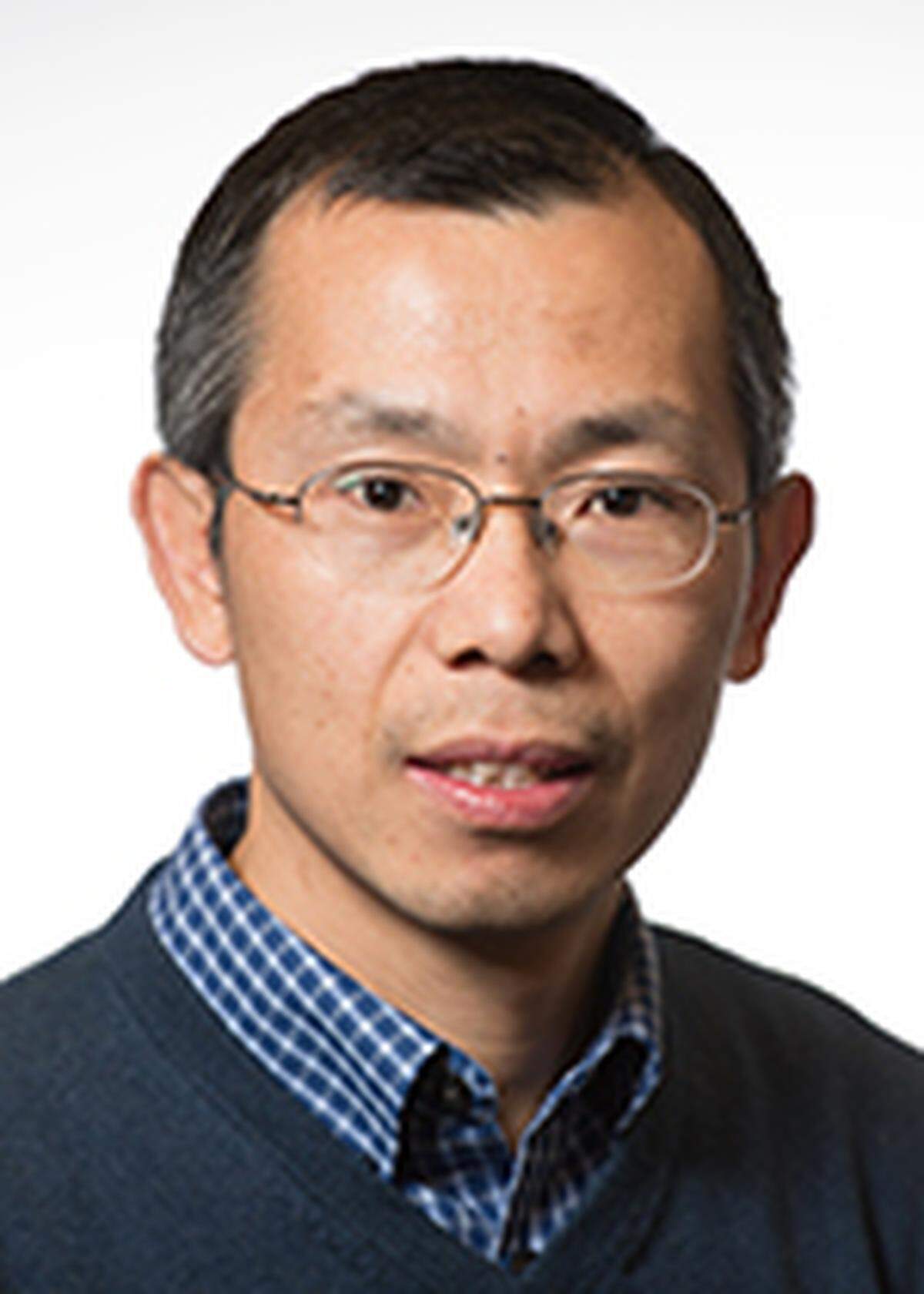
• Yuyan Shao, electrochemist and laboratory fellow. His research has been focused on understanding electrochemical interfaces and developing high-performance materials for batteries and energy storage systems as well as hydrogen and fuel cells

• Amy C. Sims, senior research scientist in the PNNL Chemical and Biological Signatures Division of the National Security Directorate and joint appointee at the University of Washington. She has published more than 50 peer-reviewed publications on a range of topics, including antivirals that are effective against coronaviruses, using reverse genetics platforms to characterize coronavirus protein functions, and mechanisms used by human coronaviruses to regulate host innate immune responses. She has been named a most cited researcher multiple times.
• Steven J. Smith, earth scientist at JGCRI and joint appointee at the University of Maryland College Park.

• Chongmin Wang, laboratory fellow and materials scientist. He has been named a most cited researcher multiple times and has published more than 400 peer-reviewed journal articles. He is internationally recognized for energy storage and electron microscopy.
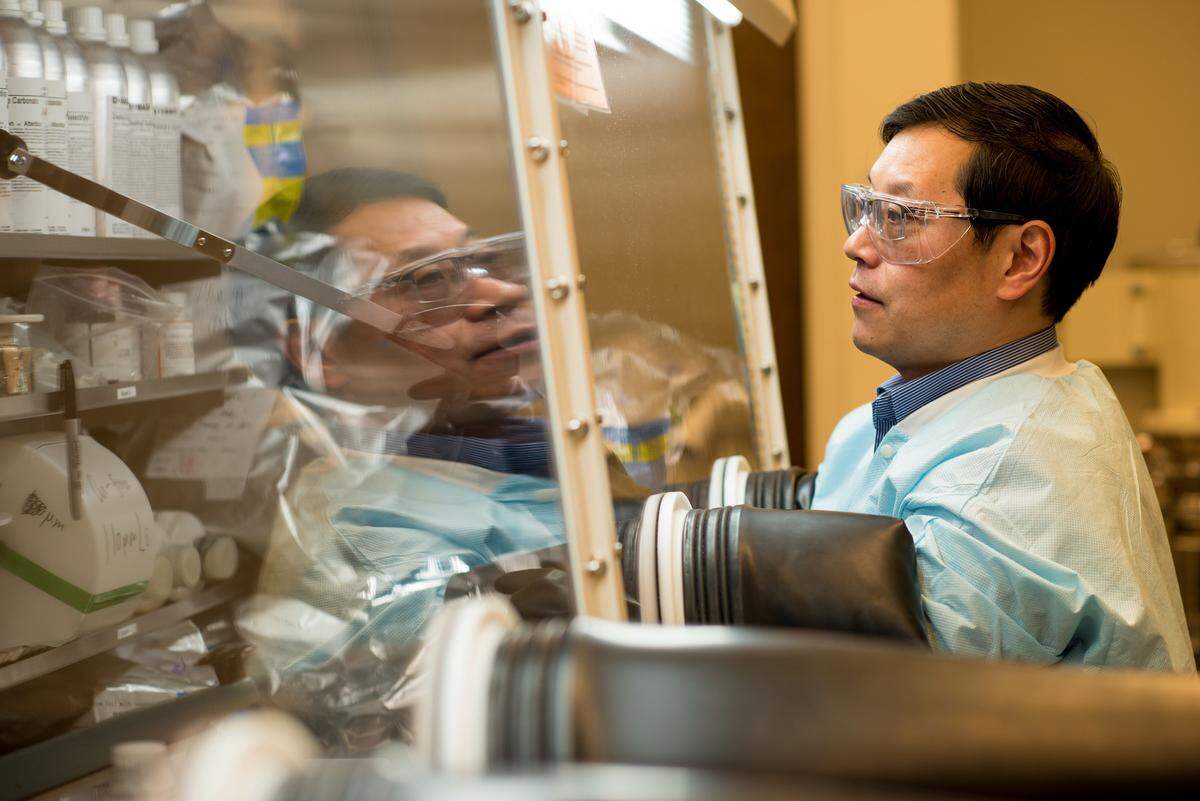
• Wu Xu, chief scientist in the Electrochemical Materials and Systems Group in the Energy Processes and Materials Division at PNNL and has been named a most cited researcher multiple times. He has more than 130 papers published in peer-reviewed professional journals, a published book and 24 U.S. patents, according to the PNNL website. He researches the development of materials and the investigation of electrode/electrolyte interphases for various energy storage systems.
• Ji-Guang “Jason” Zhang, laboratory fellow working in the Energy Processes & Materials Division. He is internationally recognized for his pioneering work in developing energy storage devices. He has published about 400 papers in professional journals and has 41 granted U.S. patents on energy storage and related areas. This is his 12th year on the highly cited list.
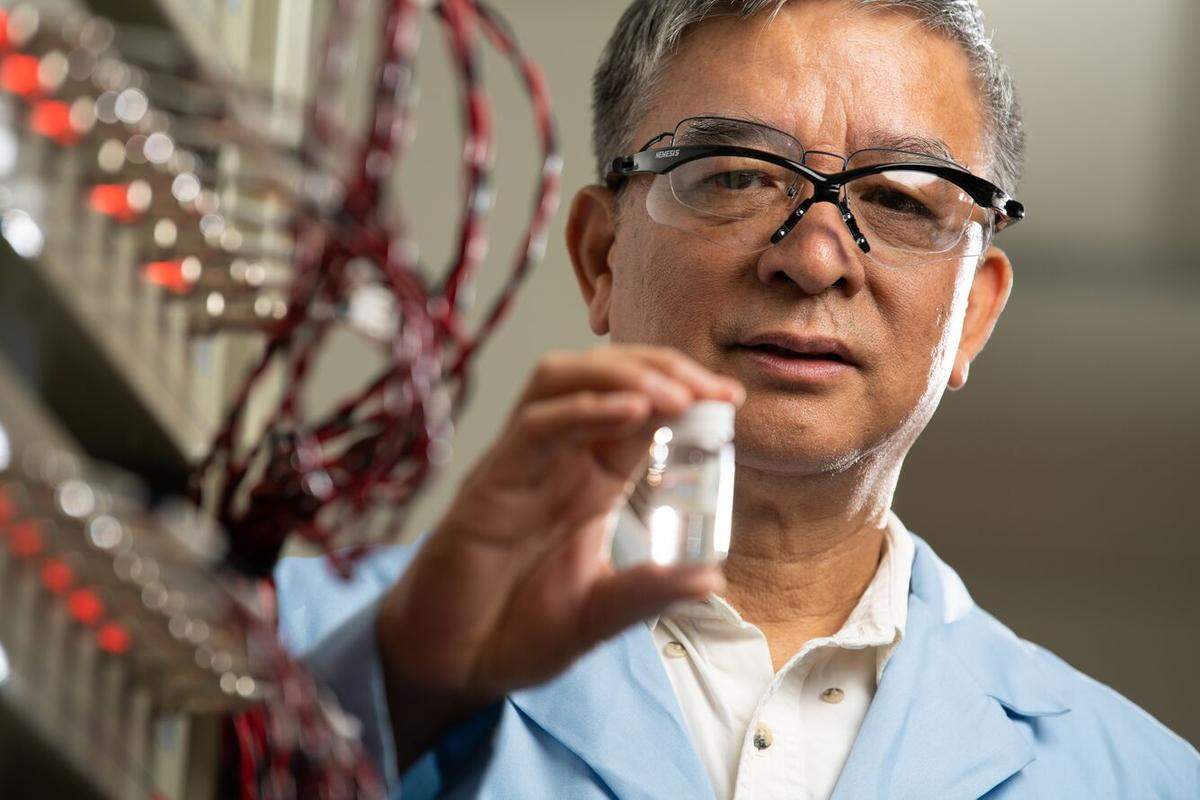
Also on the list are these joint appointees from the University of Washington:
• Jun Liu, chairman Materials Science and Engineering, University of Washington, and Battelle fellow. Battelle holds the DOE contract to operate PNNL.
• Jie Xiao, Boeing Martin Professor at the University of Washington, and Battelle fellow.
This story was originally published December 2, 2025 at 5:00 AM.