
PNNL opioid research is helping police. But DOE wants more care with its drug inventory
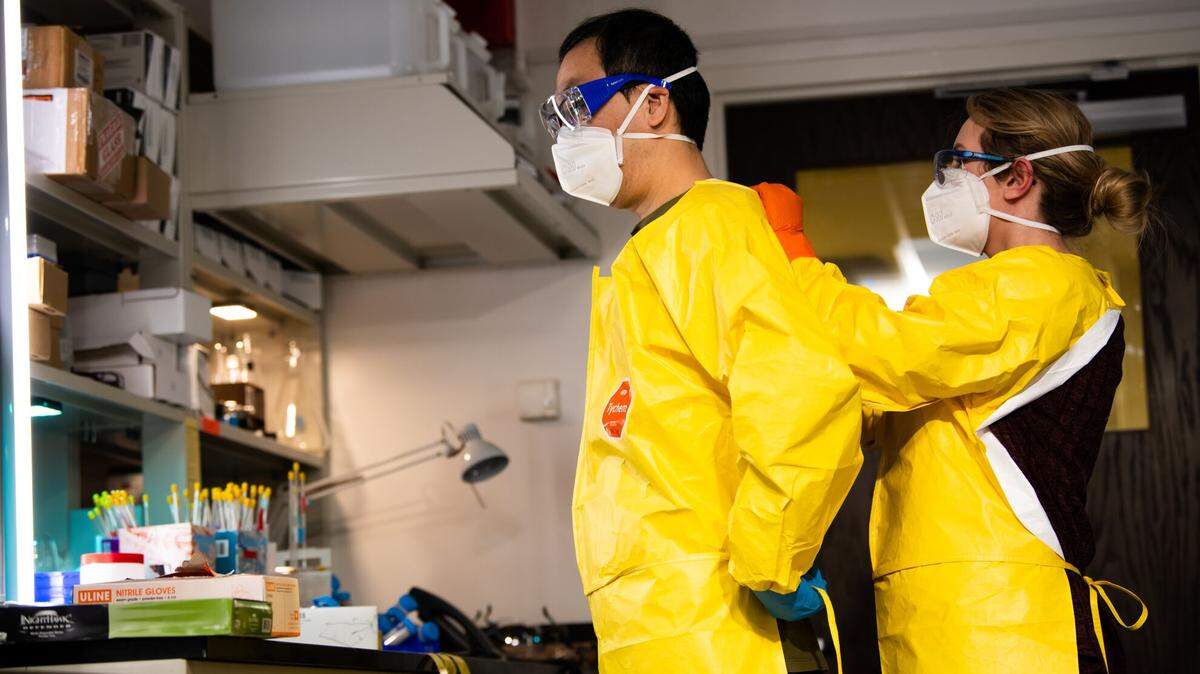
Pacific Northwest National Laboratory in Richland is increasing its research into addictive drugs like fentanyl to help keep the public, police and emergency responders safe and send criminals to prison.
But it needs to be more careful in how it tracks and accounts for the drugs it uses for the research, according to a new report from the Department of Energy Office of Inspector General.
The report said that PNNL has four projects underway involving controlled substances and plans to soon start two more.
“No concerns were expressed by the IG over the use, handling or safeguarding of fentanyl or other controlled substances,” said Greg Koller, spokesman for the DOE national laboratory.
But PNNL has not been following all federal requirements for oversight of the drugs, the report said.
Currently PNNL researchers are using computer models to explore millions of possible variants of the opioid fentanyl and then measuring the chemical properties of those variants it determines that criminals are most likely to begin to produce and sell.
Illegal drug producers, many of them in China and Mexico, are continually making small changes to the painkiller, producing variants of fentanyl that are more likely to avoid detection, more addictive or easier to make.
New variants can provide criminals a legal loophole, if they are not yet identified as a harmful drug.
In addition, PNNL researchers, using funding from the Department of Homeland Security, are expanding the library of data on variants of fentanyl already on the street.
Police, firefighters and first responders may carry portable instruments that tap into databases of known drugs, relying on the information they provide at sometimes chaotic crime scenes.
“Law enforcement and other officials need to make decisions quickly in dangerous situations. Do we need to cordon off the area? Are we safe? Is there a danger to others?” said PNNL scientist Richard Ozanich in an explanation of the work earlier this year.
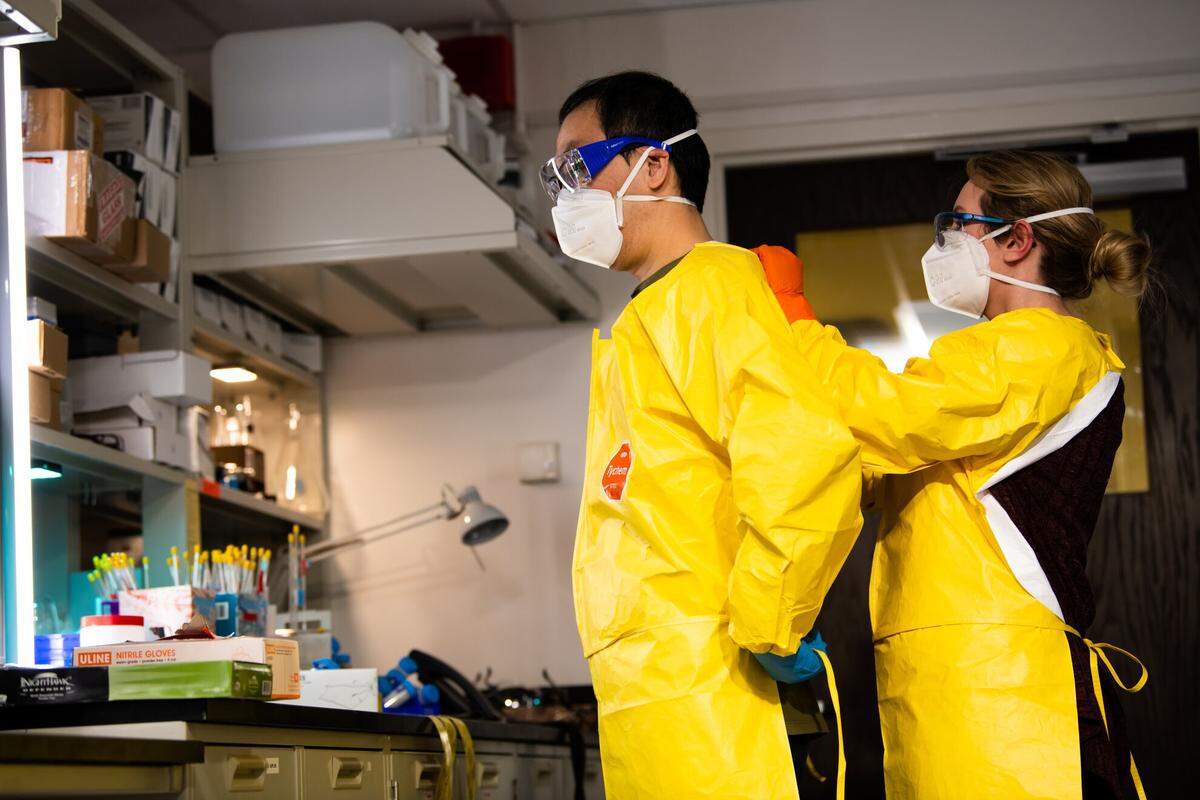
PNNL has added about 50 chemical structures to the libraries, which also include information on drugs like heroin, cocaine and methamphetamine.
Related research assesses how well different detection equipment for drugs performs. Equipment used by emergency responders around the nation is made by more than a dozen manufacturers.
Keeping PNNL fentanyl secure
As PNNL continues to expand its research on controlled substances, it will adopt some new practices to make sure controlled substances, including the chemicals it uses in its fentanyl research, remain accounted for and secure.
PNNL has not been following federal property regulations for certain controlled substances, which require exceptional controls and accountability, the IG report. Instead, it has used controls appropriate for general chemicals.
The federal controlled substance regulations require a 100% physical count of all substances, rather than allowing some of them to be estimated.
PNNL should have inventories done by personnel other than those responsible for the controlled substances and should send reports of disposition of controlled substances sent to DOE’s Pacific Northwest Site Office, under federal property regulations.
PNNL has relied on U.S. Drug Enforcement Agency and Washington state inspections of its controlled substances. But both the state and DEA have scaled back their assessments of PNNL’s program in recent years due to competing priorities and staffing shortages, the IG report said.
The last on-site DEA assessment was in 2019 and DEA does not require PNNL to send it its inventory records of controlled substances for verification or review.
State regulators have not conducted a program review since before 2017, according to the IG report, and the state also does not require PNNL to send in its inventory or disposition records for verification or review, the report said.
PNNL cooperated fully with the Office of Inspector General and agrees with the recommendations made for management of controlled substances, Koller said.
The Pacific Northwest Site Office also said it would direct PNNL to incorporate the federal property regulations into its management of controlled substances.
This story was originally published November 20, 2022 at 5:00 AM.