Nuclear bombs were once planned to dig a U.S. harbor. Hanford’s role
Learn about a controversial proposed project to detonate nuclear weapons to create a harbor in Alaska at a presentation in Richland Monday Feb. 9.
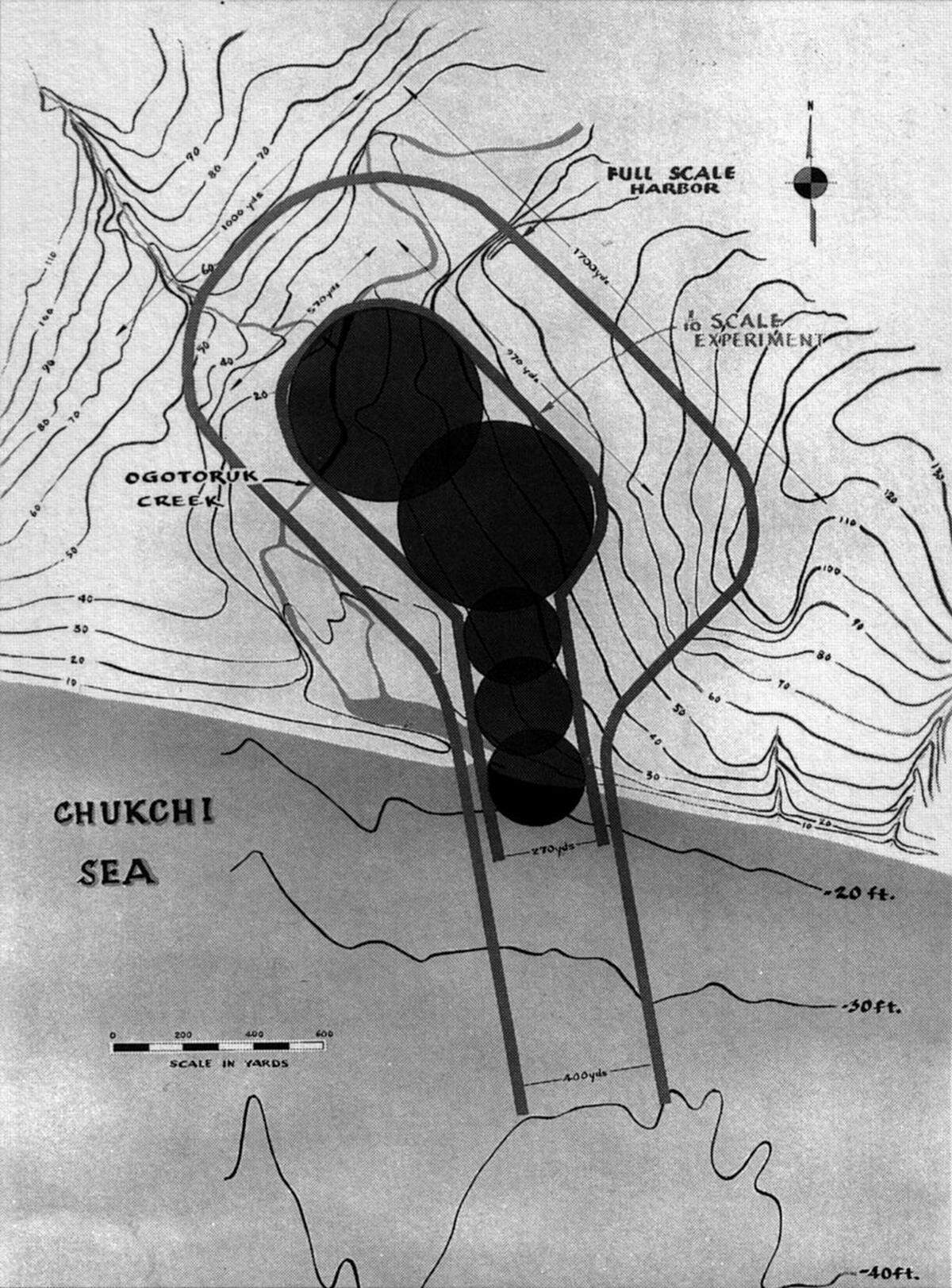
Project Chariot was a 1954 initiative under the Atomic Energy Commission’s Project Plowshare, a program to use nuclear and other explosions for construction projects.
It proposed detonating nuclear weapons beneath Alaska’s Cape Thomas to create an artificial harbor to demonstrate the peaceful uses of nuclear technology for large-scale excavation before marketing similar applications to U.S. allies overseas.
Despite early political and economic support, Project Chariot faced growing opposition due to concerns over radiological fallout, the displacement of indigenous communities and the destabilization of Alaska’s fragile Arctic environment.
The Monday presentation will examine how scientists involved in the bioenvironmental program, some of whom worked alongside counterparts at Hanford, encountered resistance and censure from the Atomic Energy Commission when their findings challenged official safety claims.
Hanford nuclear site scientists helped process samples collected by field biologists to determine potential radiological exposure to flora and fauna in Arctic landscapes.
The free presentation by the B Reactor Museum Association will be given by Kyley Canion Brewer, a PhD candidate at Washington State University, who teaches history at WSU Tri-Cities and works as a public historian on the Hanford History Project.
She will speak at 6 p.m. Feb. 9 at the Richland Public Library, 955 Northgate Drive.