
Hanford contractor earns $14M+ incentive pay. It had its best scorecard in 2 decades
Bechtel National earned an incentive payment of $14.2 million from the Department of Energy for its work on the Hanford nuclear site vitrification plant in Eastern Washington in 2024, receiving its best annual review in more than two decades.
The award topped the $9.5 million it earned for 2023.
For 2024 it earned nearly 95% of the maximum $15 million available from DOE’s subjective rating of its performance that year. In 2023 it received 92% of the $10.3 million available for performance.
Bechtel earned an overall performance rating for 2024 of “excellent,” with individual ratings on seven criteria including four “excellent” ratings for the areas with the largest possible fees available to earn, plus one “very good” rating and two “good” ratings.
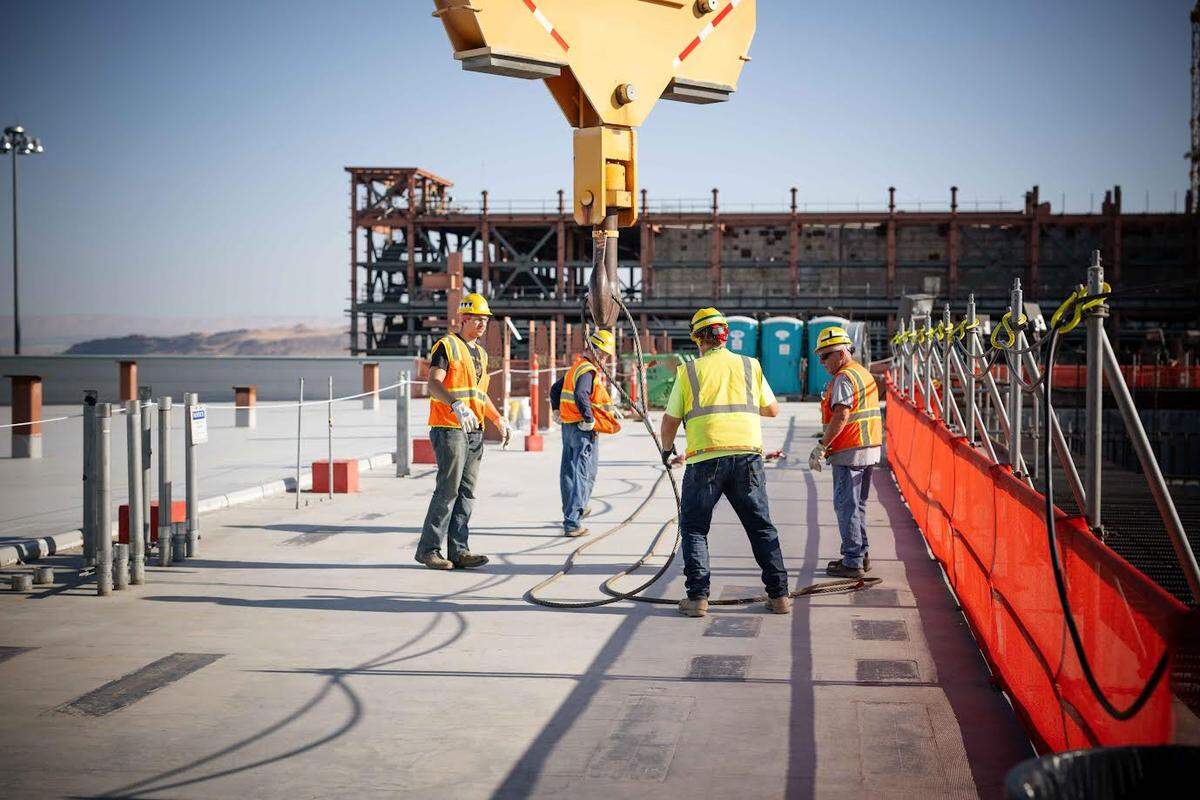
“These results signify the strategic, collaborative and innovative approaches taken by the HLW (high level waste) team — including our support teams, craft professionals, vendors, subcontractors, and Hanford (DOE) field office customer — to complete all goals, and most of them ahead of schedule,” said Brian Hartman, the Bechtel project director of the vitrification plant in a message to employees.
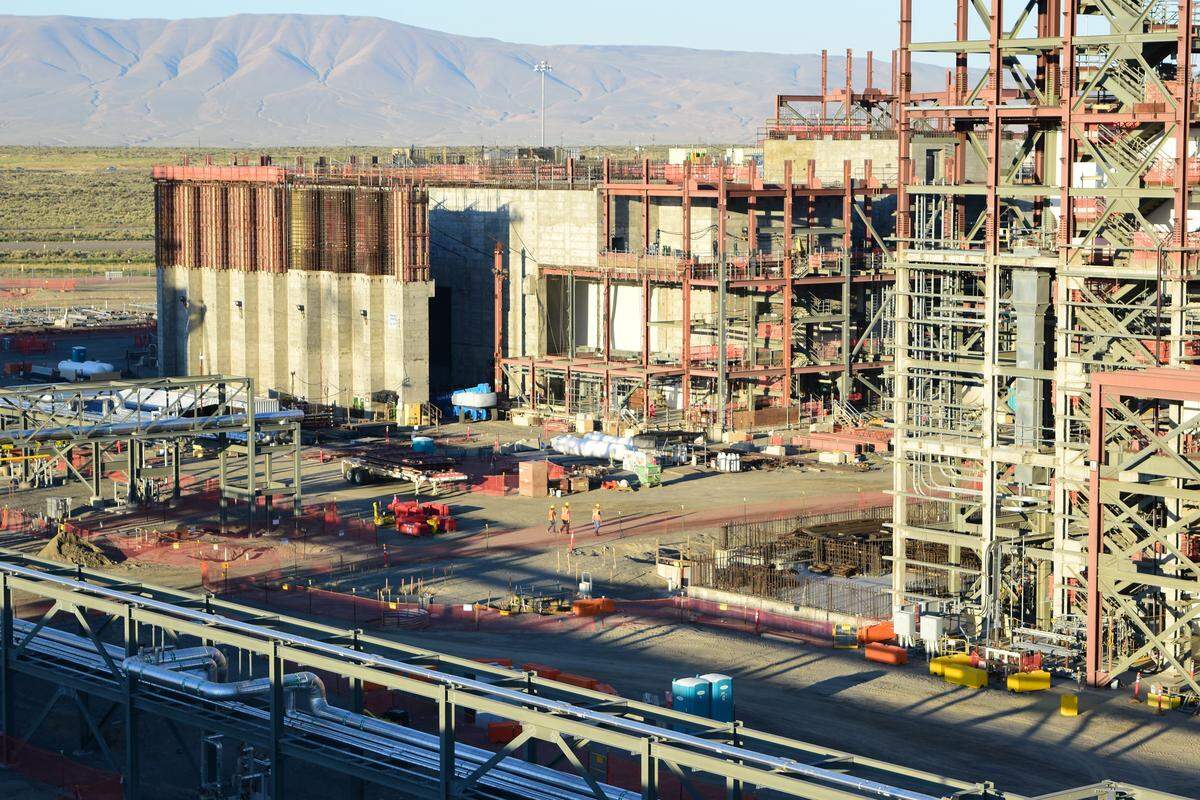
The performance rating from DOE for 2024 covered only its work for part of the vit plant project, the portion that will treat high level radioactive waste now stored in underground tanks, some built as early as World War II and some of them prone to leaking.
Bechtel continues to work toward commissioning the portion of the plant that will glassify the least radioactive waste, called low activity waste.
DOE expects the first of that waste to be turned into a stable glass form at the plant this summer, preparing the waste for permanent disposal.
DOE last modified the Bechtel contract for the Low Activity Waste Facility in 2016 for work through 2022, with the expectation that the facility would treat waste by 2022. After that routine work to glassify low activity waste would be transferred to another contractor focused on operations.
However, the COVID-19 pandemic delayed work and the contract modification expired with no more performance milestones set since. However, Bechtel still may earn incentive pay, or “fee” as it is called at Hanford, as it meets milestones on the facility.
Work on the High Level Waste Facility was largely paused until about 2023, with work to resume construction then resuming to meet a 2033 DOE deadline to be treating high level radioactive waste in 2033.
‘Well-earned’ rating, pay
Hartman called the 2024 rating “well-earned.”
A DOE scorecard on the High Level Waste Facility progress in 2024 said Bechtel demonstrated a strong commitment to complete construction design for treating high level waste by 2027.
It has integrated into the Hanford high level waste treatment project more than 500 lessons learned from complex work at DOE sites, including Hanford, and overseas nuclear waste and used nuclear fuel projects, according to a scorecard for Bechtel released by DOE.
It also was praised by the scorecard for recruiting experienced workers for the project.
It also listed some areas for improvement.
Bechtel needs to focus on purchasing materials and resolving plan changes to be able to meet the construction schedule and should do mock-up testing to reduce the risk of redesign, according to the DOE scorecard.
The Hanford site adjacent to Richland has 56 million gallons of radioactive and hazardous chemical waste stored in underground tanks awaiting treatment for disposal.
The nuclear reservation produced nearly two-thirds of the plutonium for the nation’s nuclear weapons program from World War II through the Cold War.
This story was originally published March 3, 2025 at 3:24 PM.