
WWII Hanford engineer’s hobby was recording music, interviews. Hear them at free program
During World War II Lt. Col. William Sapper and his fellow engineers working on the top secret Manhattan Project at the Hanford site in Eastern Washington made their own entertainment.
They happened to be a group of musicians and poets living in an era before TV when people would get together to play cards, sing songs and make music.
For the insular group of engineers, their entertainment “came in the form of songs and limericks and stories out of their working experiences at Hanford,” said Sapper’s grandson, Jay Needham.
And Sapper recorded it, along with interviews of Hanford colleagues and regional radio news reports of a seminal time in world history — the creation of the world’s first atomic bomb and the birth of the Atomic Age.
Hanford produced the plutonium that powered the first man-made atomic explosion, the Trinity Test, in the New Mexico desert in July 1945 and weeks later the atomic bomb dropped on Nagasaki, Japan, helping end World War II.
On Thursday, Oct. 10, Sapper’s grandson, Jay Needham — an artist, writer, editor and a professor in the School of Media Arts at Southern Illinois University — will be at the Reach museum in Richland to play excerpts from the recordings and talk about their restoration and how the war-era history of Richland played a role in the path he would take in life.
He inherited the recordings and slides from his grandfather, but the recordings went unheard for years because of their obscure format. They were recorded on a Soundscriber dictation machine.
As Needham learned how to restore the recordings and listened to them, he heard a treasure trove of original jazz music and labor poems along with other recordings from an era in which entertainment was based on a culture of listening.
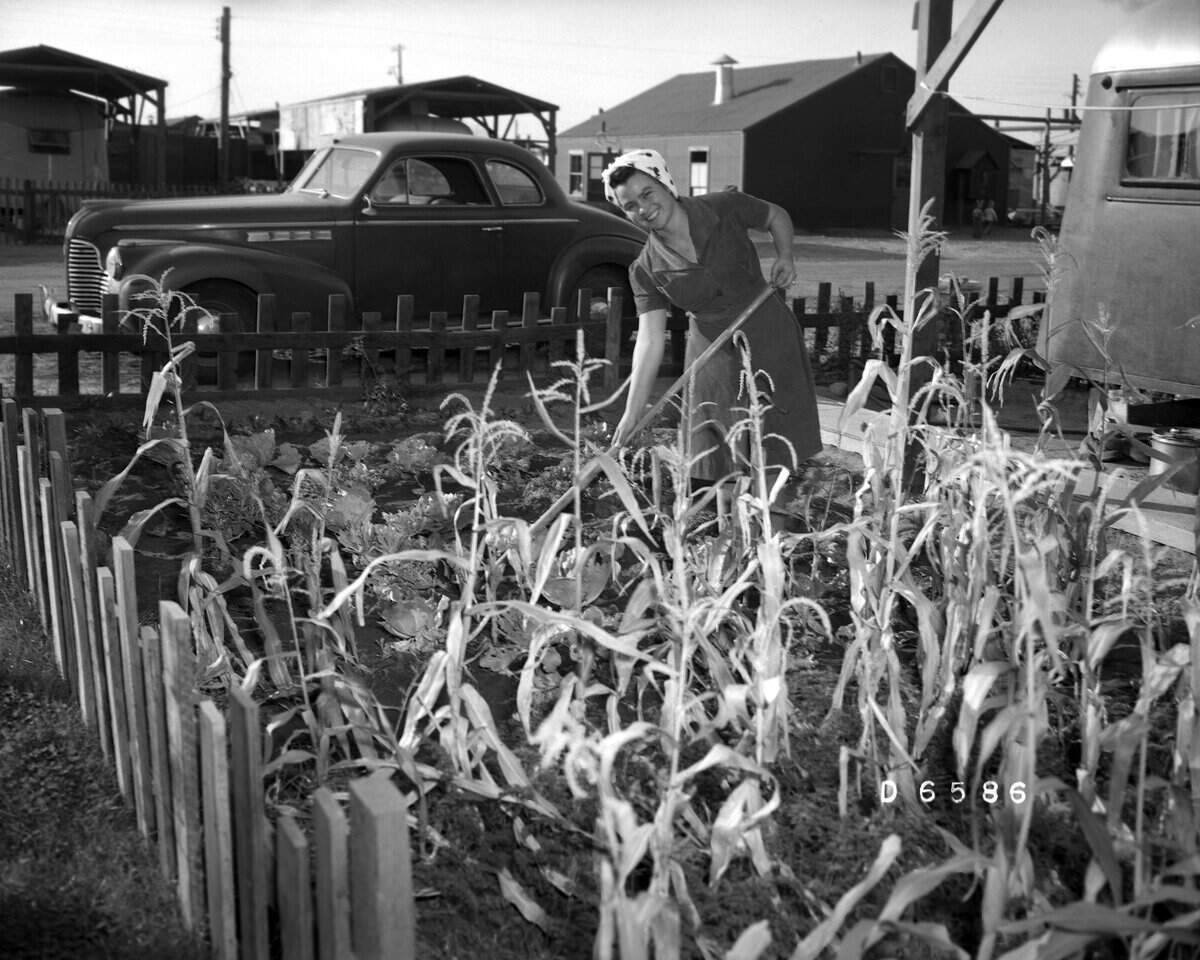
On the day the first atomic bomb was dropped on Japan, helping bring World War II to an end, Sapper recorded interviews of his friends and colleagues and also the wife of Hanford commanding officer Col. Franklin Matthias.
As news broke that the Hanford site in Eastern Washington produced the plutonium for the Nagasaki atomic bomb, reporters from Seattle “drove east as fast they they could to get the story,” Needham said.
His grandfather recorded the radio programs they produced.
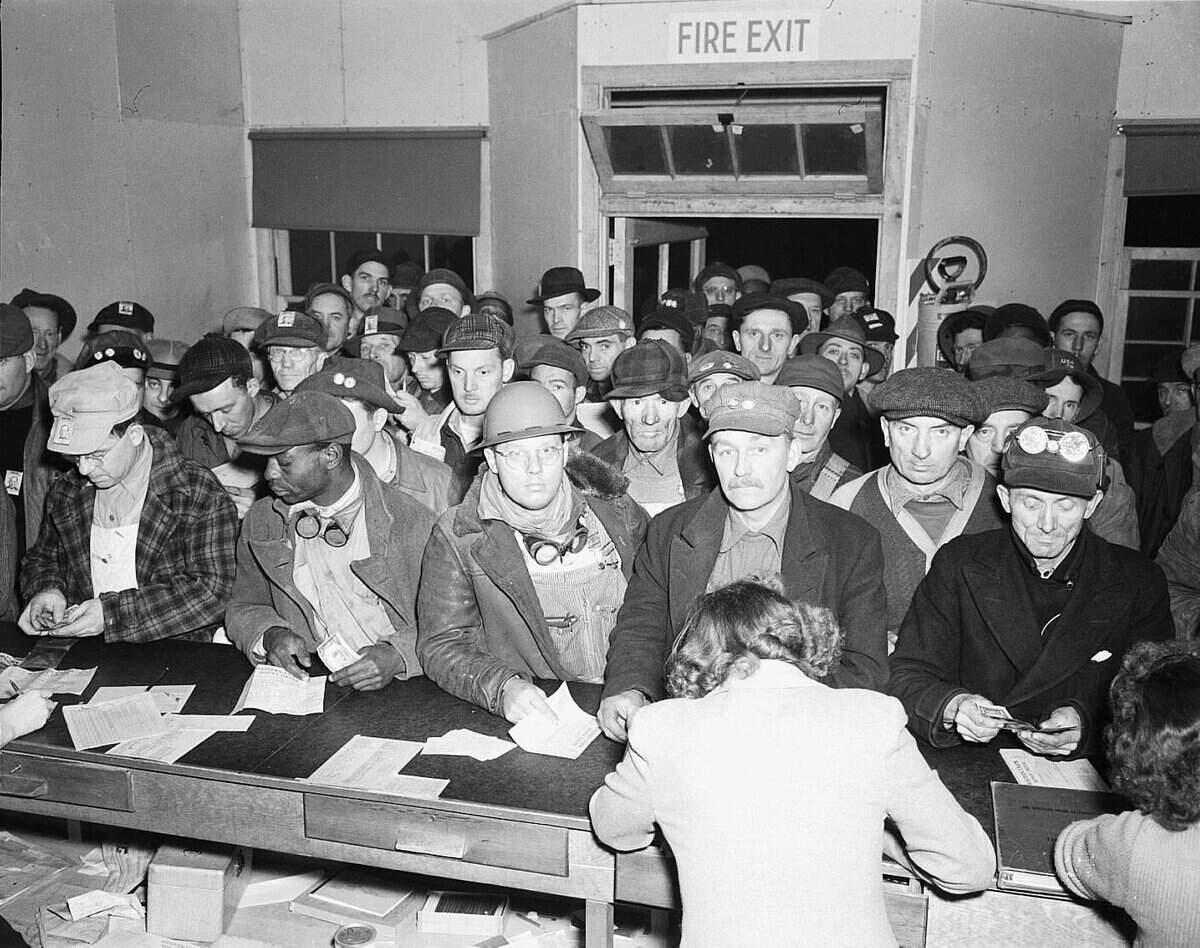
But most of Needham’s recordings were made during the effort to produce plutonium at Hanford, as the allies raced to secretly produce an atomic weapon, fearful that Nazi Germany might beat them.
“The mood and sentiment (in the recordings) runs a full range of emotions, from how hard the work was to the weather in Eastern Washington to also confounding elements and aspects about early atomic material research,” Needham said.
“These people were under a great deal of stress and pressure and this was their outlet,” he said.
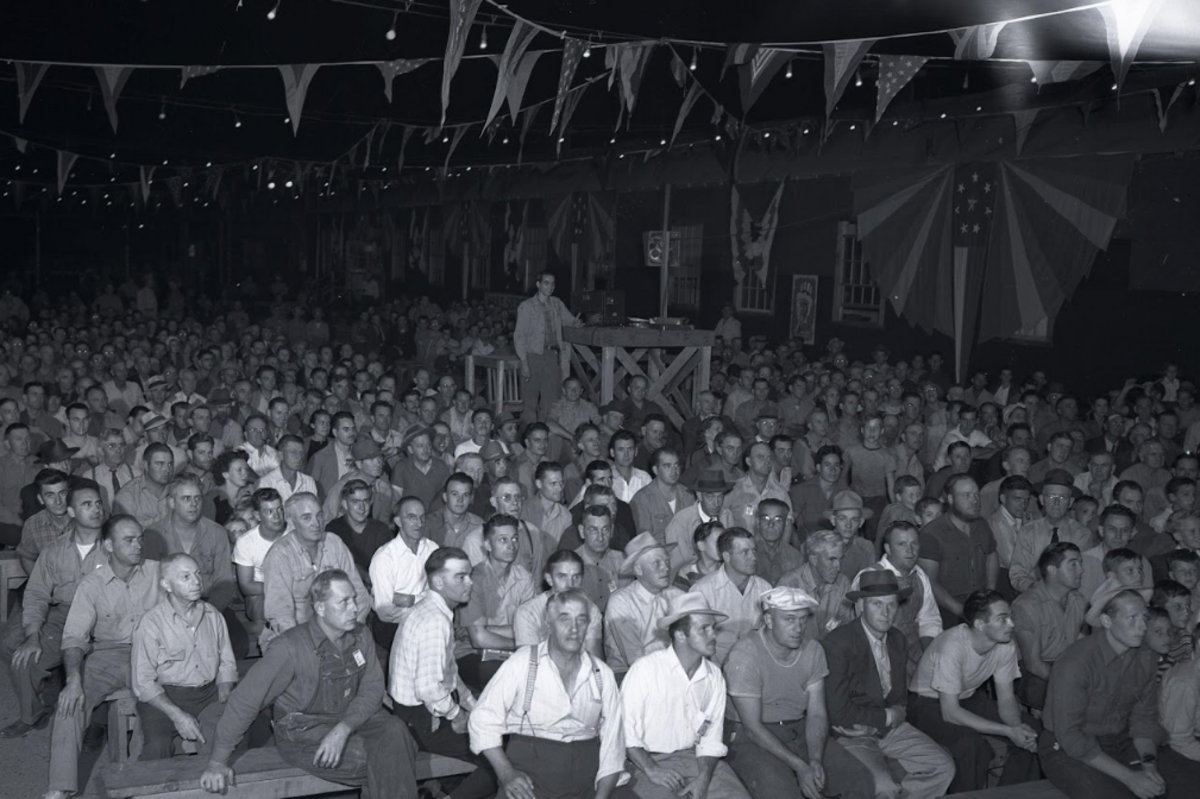
Needham plans to use the recordings as part of a radio documentary that also includes contemporary perspectives.
The Oct. 10 program is being presented by Hanford Challenge, a Hanford worker advocacy nonprofit in Seattle, using a grant from the Washington state Department of Ecology.
The program at 6 p.m. is free, but registration is required at hanfordchallenge.org/atoms-and-microphones. Doors for the event at 1943 Columbia Park Trail, Richland, open at 5:30 p.m.
This story was originally published October 8, 2024 at 12:27 PM.