
Record funding. $3.3B budget proposed for Hanford site radioactive cleanup next year
The annual Hanford nuclear site budget would increase by $303 million to a record $3.34 billion next fiscal year under a proposed U.S. Senate budget.
“My commitment to power the mission of the Hanford cleanup and to support the workers is unshakeable,” said Sen. Patty Murray, D-Wash. “And I’m proud to have once again secured record funding for the Hanford cleanup.”
Murray, the head of the Senate Appropriations Committee, wrote and negotiated the Senate Energy and Water Development Appropriations Bill for fiscal 2025, which begins in October. The bill was approved by the Senate Appropriations Committee on Thursday.
As recently as fiscal 2021, the Hanford budget was about $2.6 billion.
“Sen. Murray has delivered once again on Hanford funding,” said David Reeploeg, Tri-City Development Council vice president of federal projects. “The Senate’s budget includes critical funding for the Waste Treatment Plant, while emphasizing the importance of the entire Hanford cleanup mission.”
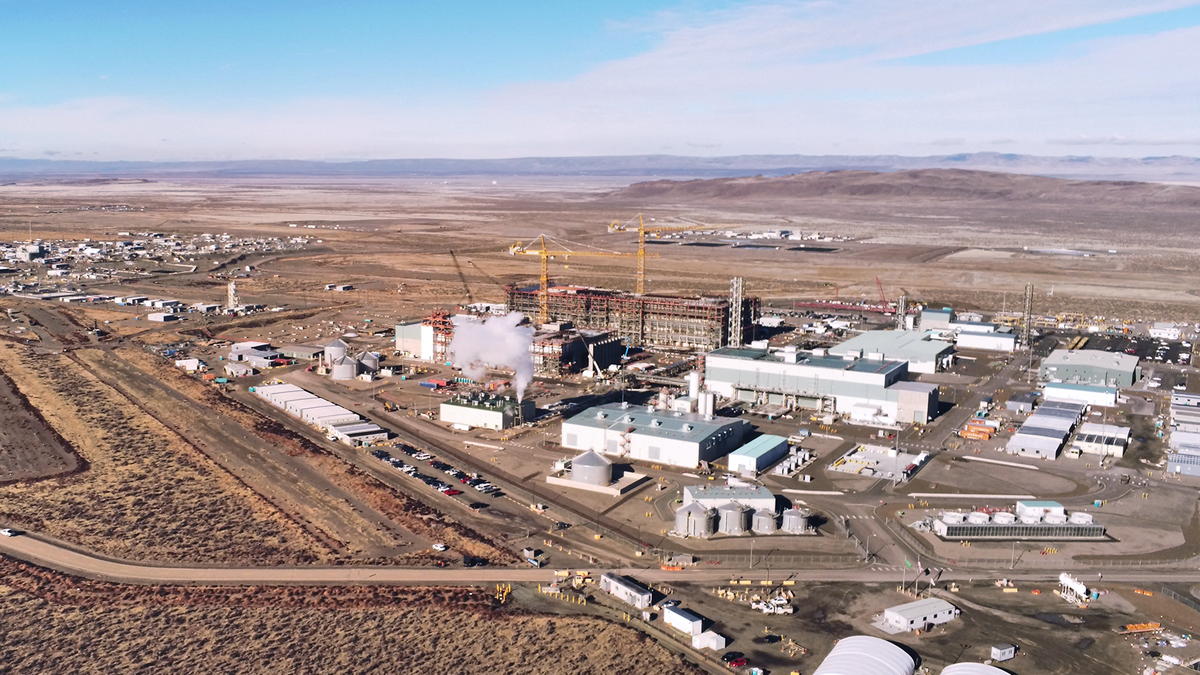
The proposed Senate budget for fiscal 2025 includes just over $2.2 billion for the Hanford Office of River Protection. That would cover the tank farms, holding 56 million gallons of radioactive waste in underground tanks, and the vitrification plant, or Waste Treatment Plant, being built to turn waste into a stable glass form.
The Senate’s proposed budget is $207 million more than the Biden administration’s budget request.
The House budget proposal is lower than the Senate proposal and includes $2 billion for the Office of River Protection.
Other Hanford work falls under the Richland Operations Office, including cleaning up contaminated waste sites and groundwater and tearing down buildings, plus operating the 580-square-mile nuclear reservation.
Hanford, adjacent to the Tri-Cities in Eastern Washington, was used from World War II through the Cold War to produce nearly two-thirds of the plutonium for the nation’s nuclear weapons program, leaving behind radioactive and chemical waste and contamination.
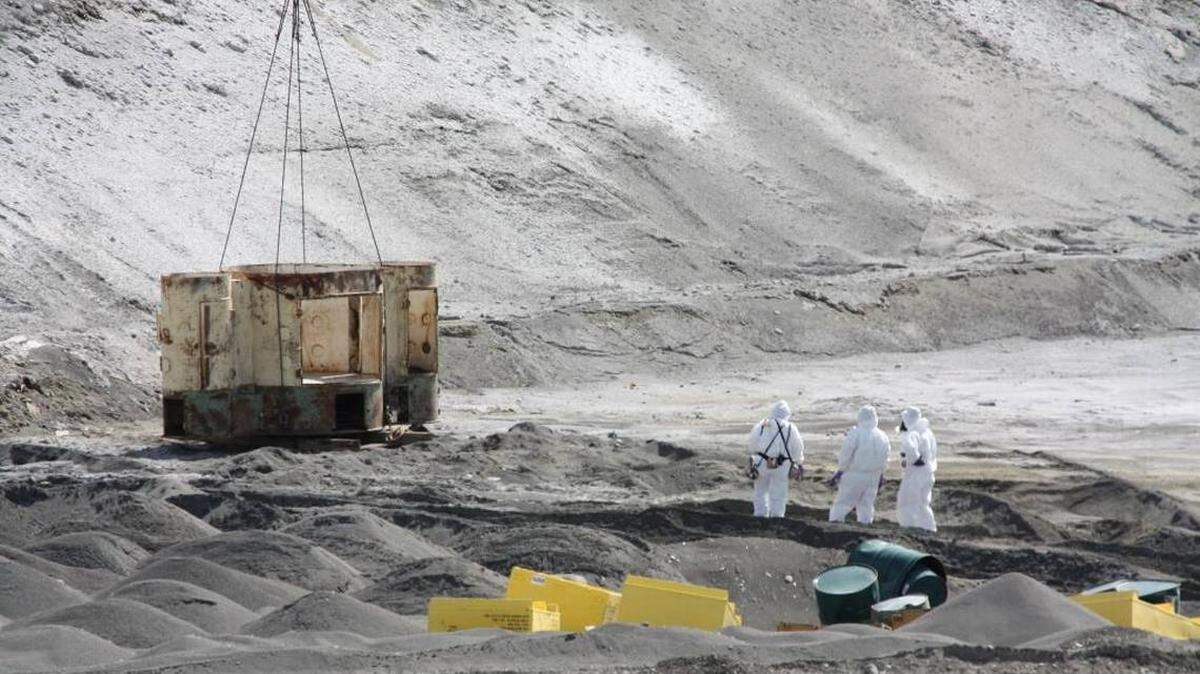
The Senate budget proposes $1 billion for the Richland Operations Office work in fiscal 2025, which is $27 more than the Biden administration’s budget request.
The House budget proposes just under $984 million for the Richland Operations Office, which is about $58 million less than the current budget.
The House bill that includes the Hanford budget along with other energy and water appropriations does not have enough votes now to be passed by the full House, and members left in late July for their summer recess until Sept. 9.
The Senate budget also includes $120 million for security and about $3 million for the deactivated Fast Flux Test Facility, to bring the total to $3.34 billion.
Reeploeg said TRIDEC was pleased to see the Senate budget supporting “preservation of irreplaceable Manhattan Project National Historical Park facilities.”
Pacific Northwest National Laboratory
Unlike Hanford, which gets an annual appropriation through the DOE Office of Environmental Management, Pacific Northwest National Laboratory in Richland gets money from multiple sources.
It’s annual funding is more than $1.5 billion, including funds from multiple DOE offices, including the Office of Science, and the Department of Homeland Security.
The 2025 Senate appropriations bill includes $360 million more for the DOE Office of Science, which supports research at PNNL, other national laboratories and universities, including in Washington state.
It includes $65 million for the Environmental Molecular Sciences Laboratory on the PNNL camps and $19 million for construction of PNNL’s new Microbial Molecular Phenotyping Capability project, up from the $10 million proposed by the Biden administration for fiscal 2025.
The proposed Senate budget also includes $31 million for energy delivery grid operations technology, including $7 million to support efforts by PNNL to continue developing a national platform to host data necessary for grid reliability modeling and analytics to support the clean energy transition.
The Grid Storage Launchpad will open Aug. 13 on PNNL’s campus.
More Tri-Cities WA area spending
Other spending of interest to the Tri-Cities in the proposed Senate budget includes:
▪ The proposed Senate budget includes $725,000 for the Yakima River delta in the Tri-Cities to restore the ecosystem, including by removing the Bateman Island causeway.
The current projected budget by the federal government is $10 million, but the city of Richland has argued that estimate could be just a tenth of what would be needed to be spent to take out the causeway and mitigate effects of the removal.
The earthen causeway from the Richland Wye Park to Bateman Island is 500 feet long and 40 feet wide, blocking river flow, but allowing recreational and firefighting access to the island.
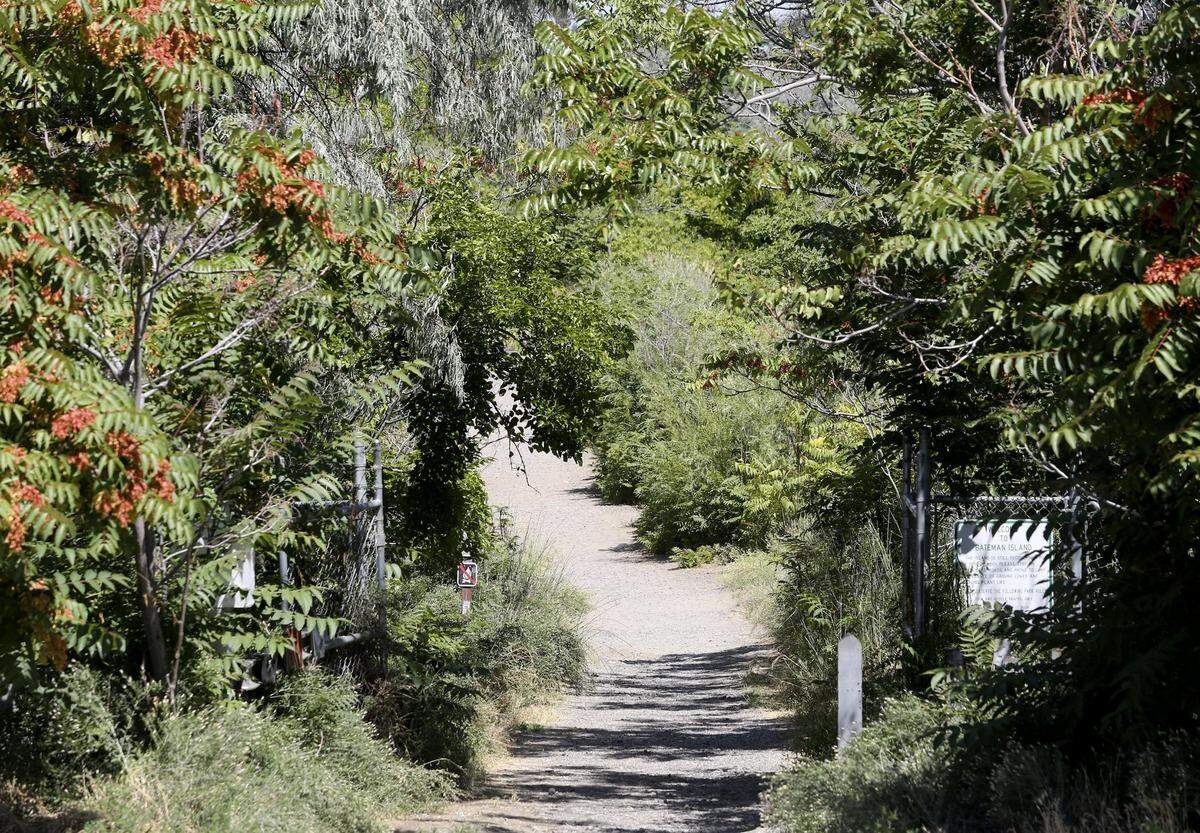
Issues with water flow at the Yakima Delta were compounded when construction downstream on the McNary Dam was completed in 1957. The causeway was finished in 1940.
The dam turned the southern side of the Yakima River delta into a backwater with ideal habitat for predatory fish and invasive plants, according to the Corps’ “Yakima River Delta Ecosystem Restoration Draft Feasibility Report With Integrated Environmental Assessment.”
Summer water temperatures on the south and west side of Bateman Island now can be as high as 86 degrees for sustained periods.
The warm water creates ideal conditions for non-native fish, such as smallmouth bass, that prey with voracious appetites on young salmon migrating to the ocean in the spring.
It also may prevent salmon from entering the warmer Yakima River to spawn.
▪ Funding is included in the appropriations bill to help the United States meets its obligations under a proposed agreement on the Columbia River Treaty.
The treaty re-balances energy coordination between the United States and Canada, allowing the United States to keep more clean hydropower energy while giving Canada more opportunities to import from and export to U.S. markets.
▪ Greater Health Now, which serves Benton, Franklin and seven other Eastern Washington counties, would receive $2.1 million to equip a mobile unit with staff to support the delivery of maternal care services.
▪ The Latino Civic Alliance of Washington state would receive $800,000 to expand programs form small business owners.
This story was originally published August 3, 2024 at 5:00 AM.