
Changes proposed to help past & present Hanford site workers exposed to toxic metal
Chances look good that more Hanford site workers will get timely medical help after being unknowingly exposed to a toxic metal at the nuclear reservation.
Last August Sen. Patty Murray, D-Wash., visited the Tri-Cities to talk to workers and discuss her plan to improve care for past, present and future workers at risk of developing an incurable lung disease or lung cancer after breathing in vapors or fine particles of beryllium, a light-weight metal.
Last week she succeeded in getting an amendment included in the National Defense Authorization Act as it was discussed on the Senate floor.
The act must be passed every year, leaving the only hurdle remaining to make sure that when House and Senate versions of the bill are passed and reconciled that her amendment remains in the final version of the bill.
The amendment would update now-burdensome proof of illness requirements for nuclear weapons complex workers to help them to receive early care and federal benefits.
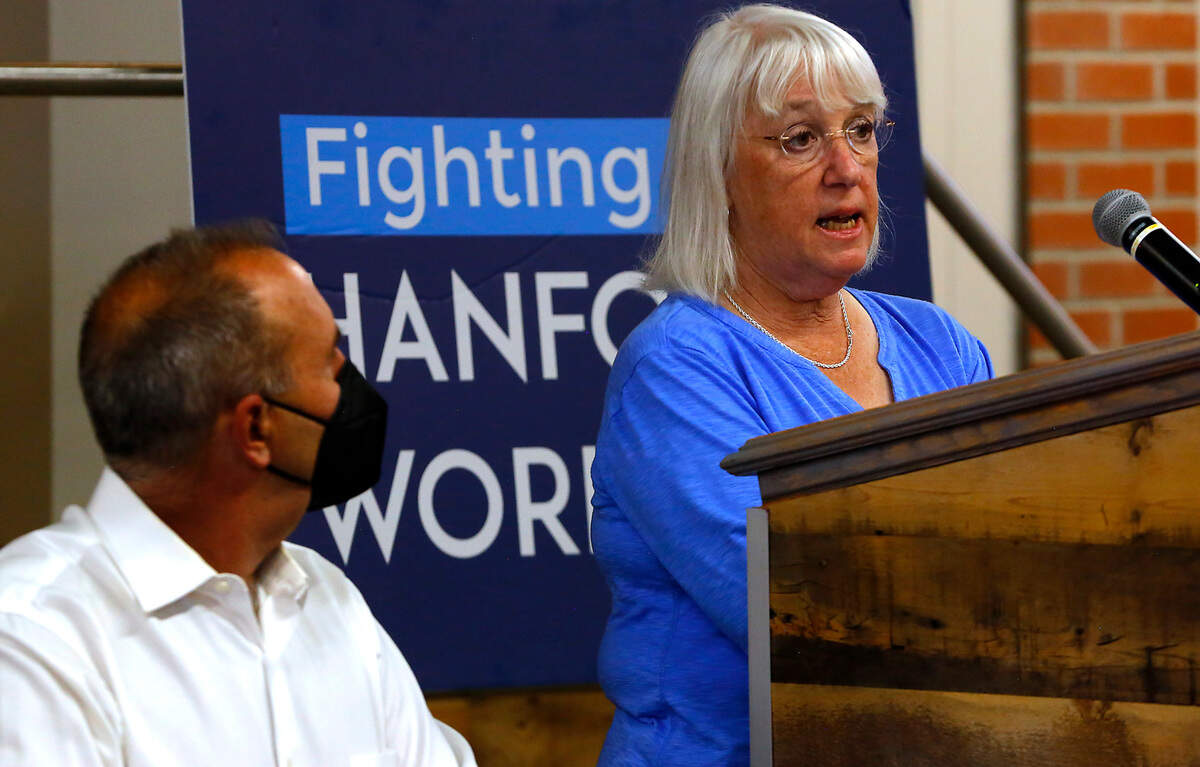
Now workers must have a blood test that is positive for exposure to beryllium, indicating they have beryllium sensitivity that puts them at risk of chronic beryllium disease, to receive benefits and care through the federal government.
However, research at National Jewish Health in Denver, Colo., a leader in work on chronic beryllium disease, has concluded that three blood tests with borderline results confirm a diagnosis of beryllium sensitization, even if a worker does not have a positive test result.
Detection allows monitoring to start, which is paid for under the Energy Employees Occupational Illness Compensation Program. The program also provides full medical coverage and a $150,000 cash payment for workers who develop chronic beryllium disease.
“Right now, a beryllium blood test that is ‘borderline’ does not count towards a diagnosis — even when you are experiencing the effects of beryllium exposure or when it is your third borderline result,” Murray said. “That is just not right.”
She said in the Tri-Cities in August that current regulations were making people wait too long for the care they needed, worsening their outcomes.
Her amendment would correct that, making three borderline results in three years confirmation of beryllium sensitivity for federal benefits for nuclear weapons workers.
The updated change already has been adopted by the Washington state Department of Labor and Industries and the Occupational Safety and Health Administration.
The change should cost the federal government less than $500,000 over a decade, she said.
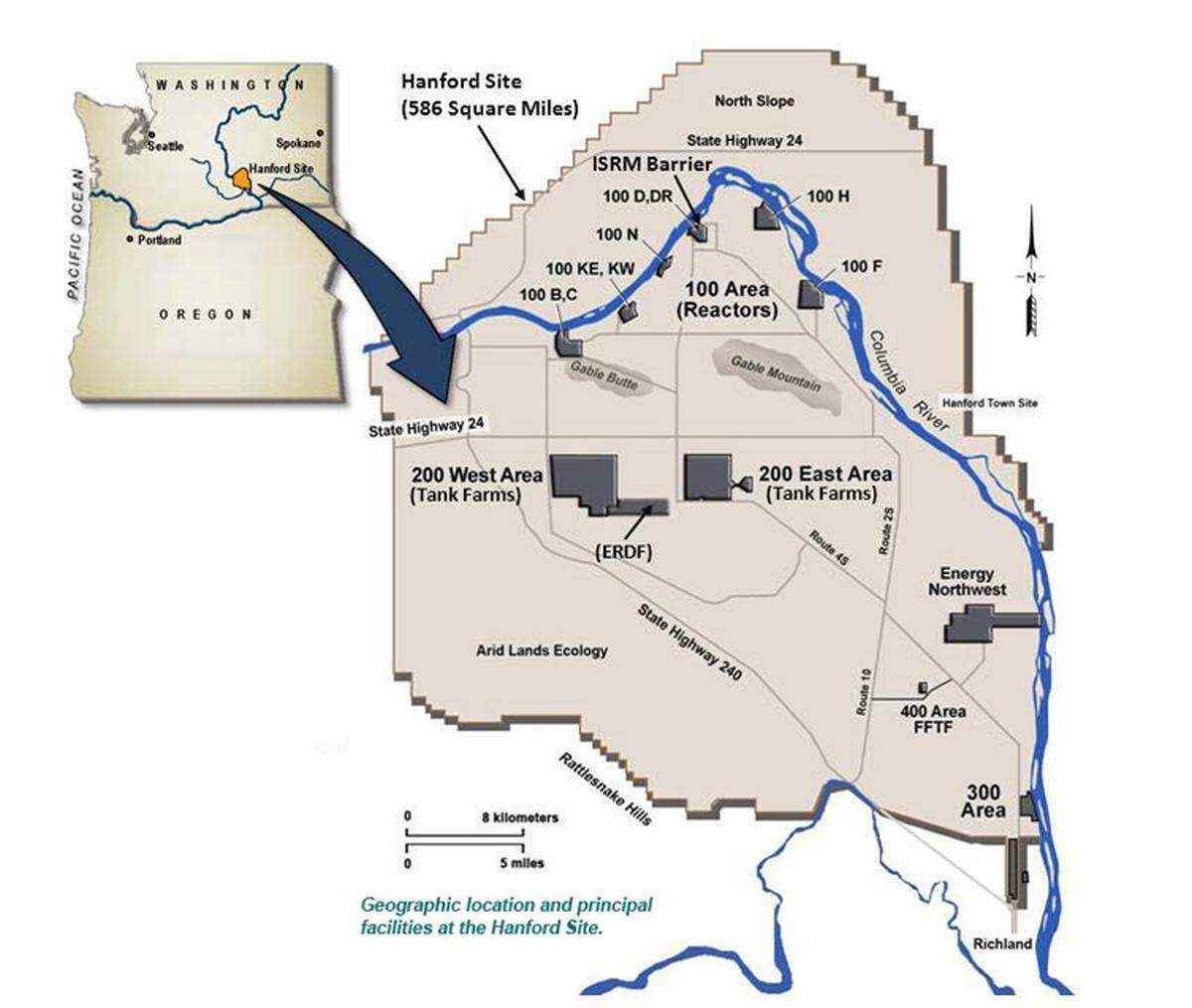
At Hanford beryllium was part of an alloy that was machined until 1986 as part of producing caps for the uranium fuel irradiated at Hanford for weapons plutonium production.
Although nuclear fuel has not been produced at the Hanford nuclear reservation site since the Cold War ended, workers may still be exposed to fine particles that lurk in the buildings they are preparing for demolition or are tearing down as part of environmental cleanup of the 580-square-mile site adjacent to Richland in Eastern Washington.
Not all worker exposed to beryllium will develop lung disease. But some have a genetic sensitivity to the metal that can lead to irreversible lung scarring and a diminished ability to breathe.
For more information about federal and state compensation programs for ill current and past Hanford workers or there survivors, contact the Hanford Workforce Engagement Center in Richland at 509-376-4932.
This story was originally published July 24, 2023 at 5:00 AM.