
Miss America and nuclear engineering. 2 things you don’t expect to go together
Miss America 2023 Grace Stanke was in her element when she toured the Hanford nuclear reservation in Eastern Washington on Wednesday.
She is a senior studying nuclear engineering at University of Wisconsin, Madison, but she’d never seen a reactor like historic B Reactor at Hanford site until this week.
She walked into the reactor building and around the corner to a “wow” moment, she said, seeing the towering face of the reactor and its horizontal fuel rods.
B Reactor, part of the Manhattan Project National Historical Park, was the world’s first production scale reactor. It not only produced the plutonium for the bomb dropped on Nagasaki, Japan, helping end World War II and launching the atomic era.
The reactor is “the beginning of nuclear science, pretty much at its core,” she said during a Women in Engineering noontime talk with women engineers from Hanford tank farm contractor Washington River Protection Solutions.
“It is incredible to see how science has progressed and how energy in general has taken that reactor and adapted it to be something to produce energy and electricity for Americans across the country,” she said.
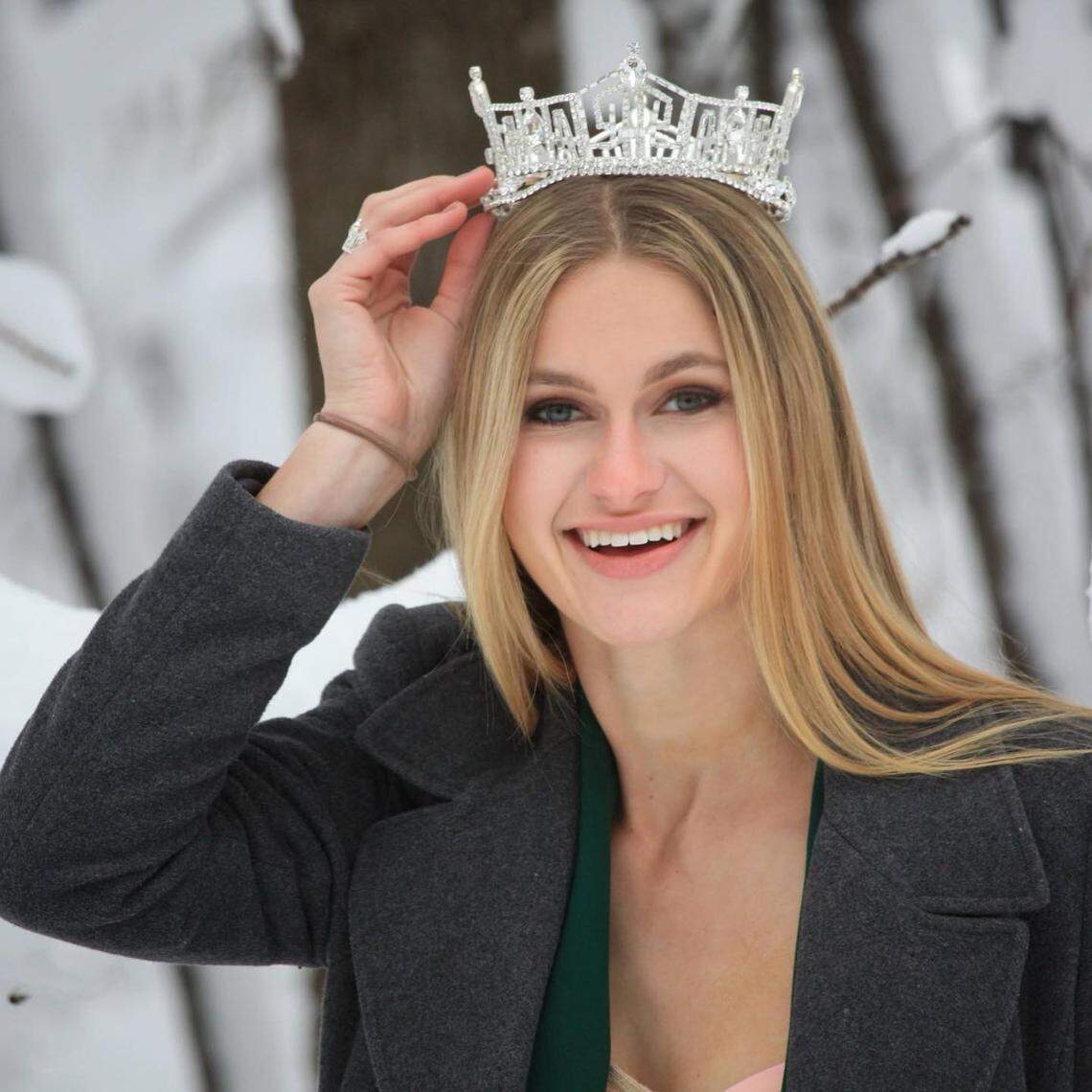
She is spending her year as Miss America talking about the benefits of clean energy, with a focus on nuclear energy.
The gotcha question she sometimes gets is, “But what about Hanford?”
Nearly two-thirds of the plutonium for the nation’s nuclear weapons program from World War II through the Cold War was made at Hanford, adjacent to Richland, Wash.
The work left the site contaminated with radioactive and hazardous chemical waste, including leaving 56 million gallons of radioactive waste in underground tanks, most of them prone to leaking.
Her visit to Hanford, including a look at preparations to treat the tank waste for permanent disposal, will help her respond to that question when it comes up, she said.
Hanford, a wartime project, is a totally different application of nuclear science than nuclear medicine or nuclear energy, she said.
“Let’s focus on the good,” she said.
Good things from nuclear
She knew as a teen that she wanted to be an engineer.
Her father was a civil engineer, and she remembers watching bridges demolished overnight.
But her father advised against the nuclear branch of engineering. It was a dying field, he told her.
“What does every 16-year-old girl do when Dad tells her not to do it?” she asked.
Her decision to study nuclear engineering was a good one, she said.
She has seen how nuclear medicine saved her dad’s life twice as he was treated for cancer and believes nuclear and hydropower are the reliable clean energy the nation will need in the coming years.
“Nuclear energy is clean, it is efficient, it’s reliable,” she said. “It is the most reliable energy we can produce.”
It doesn’t require the wind to blow or the sun to shine, she said. And it is easier to put in any environment than other clean energy sources.
Although she’s a fan of hydropower, there are only so many times a river can be dammed and it also has environmental impacts, she said.
.jpg "Stanke Field Blurred (4).jpg")
The arguments she hears against nuclear power are that it is dangerous and that its waste is a problem.
“It is a little bit more of a policy problem than a science problem when it comes to waste,” she said.
And nuclear power is one of the safest ways to make electricity when deaths per megawatts produced are compared, she said.
“We need to start talking about this, pointing out the good, pointing out how awesome this science is,” she said.
Shift in nuclear power attitudes
Many people don’t know that nuclear material is in smoke detectors and exit signs, that nuclear medicine provides cancer treatments and that nuclear energy is powering their home.
Polls show that most Americans generally support nuclear energy, a shift from previous decades, she said.
“We need to capitalize on that, continuously spreading good news ... capitalizing on that momentum,” she said.
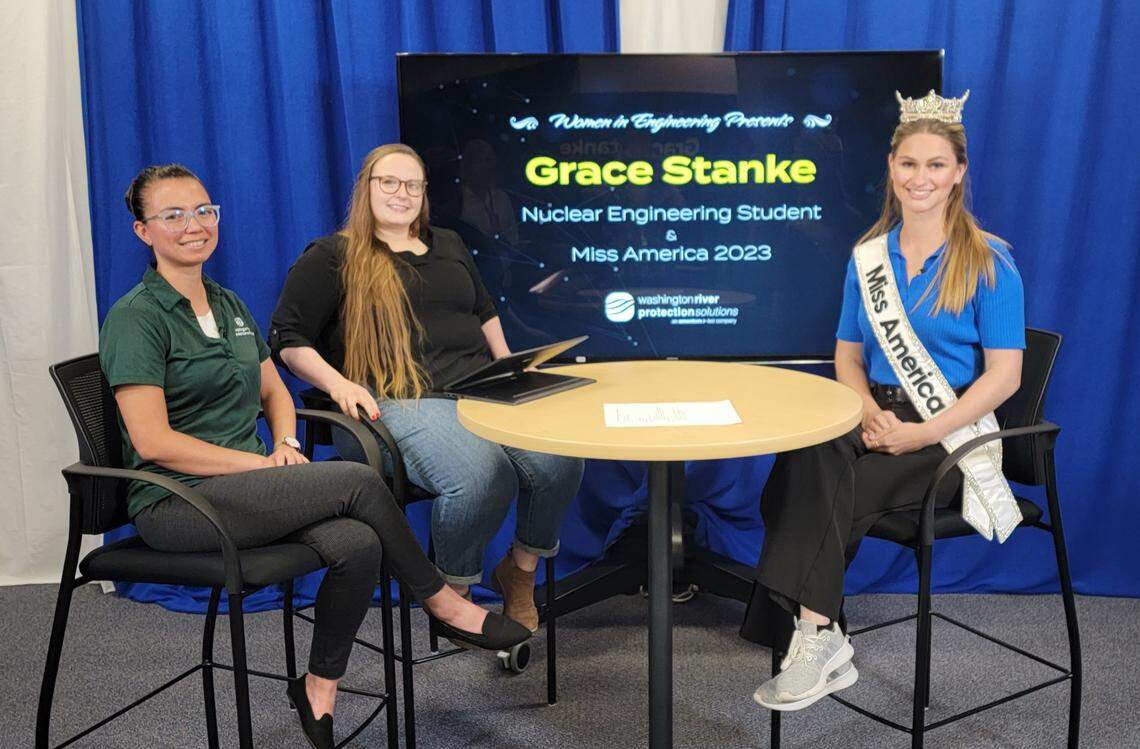
Public support is what drives policy, she said.
There is a place for everyone in the nuclear industry, she said.
Her advice for students is to find their passion first. It’s likely to fit into a nuclear science career, she said, whether it is marketing, communication, politics, engineering or math.
One of her favorite questions she’s asked as Miss America is what she is studying.
She generally gets a reaction.
“Miss America and nuclear engineering are two things you never expect to see together,” she said.
Once she has there attention, it gives her an opening to discuss nuclear energy.
Stanke graduates from college in December. She doesn’t know where her first job post-college will be, but she wants to continue her nuclear power advocacy and gain experience with new technologies as a nuclear engineer.
This story was originally published May 25, 2023 at 5:00 AM.