
Hanford radioactive waste costs are skyrocketing. Report tells Congress how to cut billions
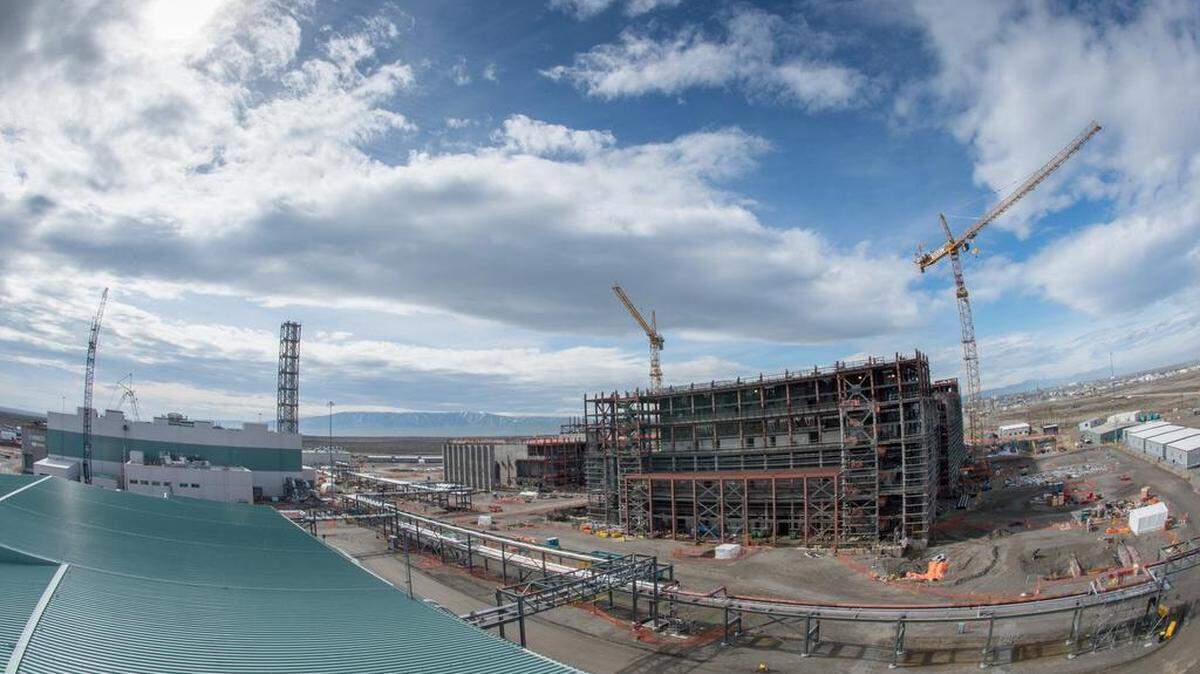
The Department of Energy has options to rein in the skyrocketing costs of treating the Hanford site’s 56 million gallons of radioactive and hazardous chemical tank waste, says the Government Accountability Office.
The governors of Washington and Oregon, along with unions and some Tri-Cities and Western Washington and Oregon watchdog groups, have asked the Biden administration for an increase of more than $1 billion annually for Hanford environmental cleanup.
They sent a letter to Biden just ahead of Energy Secretary Jennifer Granholm’s planned first visit to the nuclear reservation by Richland in Eastern Washington on Friday, Aug. 12.
But a recent GAO update report to Congress on options for dealing with Hanford’s waste stored in underground tanks looks instead at how costs could be cut.
“Opportunities exist for Congress and DOE to take steps now that could potentially save tens of billions of dollars while reducing certain risks posed by the waste,” the GAO said. Budgets would still likely need to increase.
The waste is left from chemically processing irradiated uranium fuel from World War II through the Cold War to remove plutonium for the nation’s nuclear weapons program.
Massive Hanford plant
The report points out that when design and construction of the Hanford vitrification plant, which is planned to treat much of the tank waste, started in 2000, the estimated cost to complete construction was $4.3 billion.
But at the start of this summer DOE had spent $13 billion with no waste yet treated at the plant.
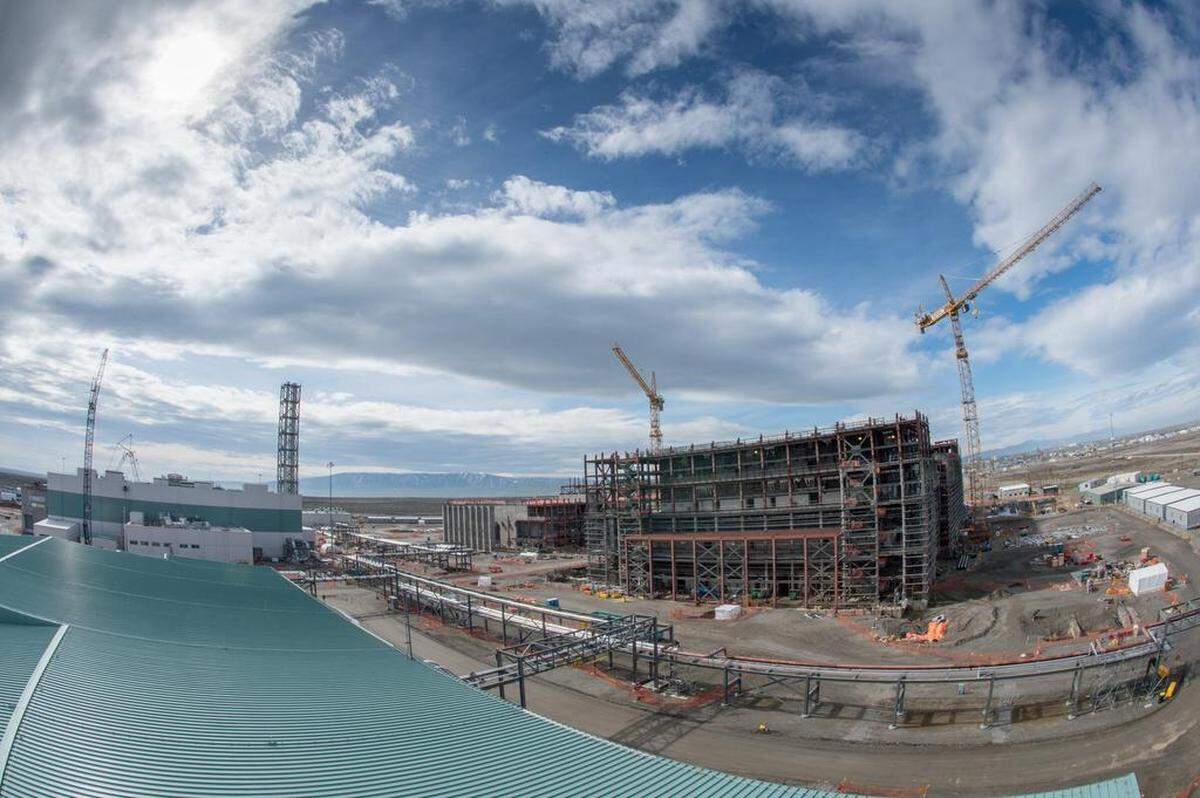
Approved estimates for completing the plant are long out-dated. But the GAO pointed out that the Army Corps of Engineers estimated in 2018 that completing the vitrification plant, or Waste Treatment Plant, could cost $33 billion to $42 billion.
The vitrification plant was designed to separate the millions of gallons of waste stored in underground tanks into low activity and high level radioactive waste for glassification.
Underground disposal is planned in central Hanford for the least radioactive waste after vitrification and disposal in a deep geological repository off Hanford for the most radioactive waste. The nation has no repository yet for high level radioactive waste.
The vitrification plant, as envisioned in 2000, was designed to be large enough to treat all of the high level radioactive waste and about 60% of the low activity radioactive waste.
DOE plans to expand the vitrification plant to treat the remainder of the low activity waste, but it is also looking at alternatives to vitrifying some of the low activity waste.
Hanford budget needs
To continue the current approach to Hanford tank waste cleanup would require budgets just for tank waste cleanup to reach almost $6 billion in fiscal 2030, according to DOE and National Academies of Sciences, Engineering and Medicine estimates.
That does not include money for cleanup on the rest of the 580-square-mile Hanford site, including treating contaminated ground water, retrieving radioactive buried waste and tearing down contaminated and unneeded buildings.
Now, total Hanford spending is about $2.6 billion annually, and DOE estimated at the start of this year that remaining costs of Hanford cleanup, including maintenance until cleanup is completed, will be $300 billion to $640 billion.
DOE’s environmental cleanup costs projections have grown every year over the past decade despite spending billions of dollars on cleanup, the GAO report said.
“Its liability may continue to grow, in part because DOE may have underestimated the cost to complete some of its largest cleanup projects, such as the Waste Treatment and Immobilization Plant at Hanford,” the report said.
The dramatically increased budgets for Hanford under current projections are driven by three spending areas over the next decade, according to the GAO:
▪ An estimated $8 billion will be needed to complete the vitrification plant’s pretreatment facility, which has been on hold as technical issues are addressed.
▪ About $7 billion would be needed to build another building at the vitrification plant to treat the remainder of the low activity radioactive waste.
▪ About $17 billion would be required to operate the vitrification plant as it begins to treat low activity waste and to continue to retrieve waste from leak-prone underground tanks and store it in newer tanks until it can be treated.
Cutting tank waste costs
The GAO says costs could be cut by tens of billions of dollars if some of the low activity waste were grouted, or immobilized in concrete, and shipped out of Washington for disposal. A commercial site in Texas with a cell for disposal of low-level radioactive waste from federal government sites could be used.
Grouting waste also could mean quicker treatment of the waste, which poses a risk to Hanford ground water that moves toward the Columbia River.
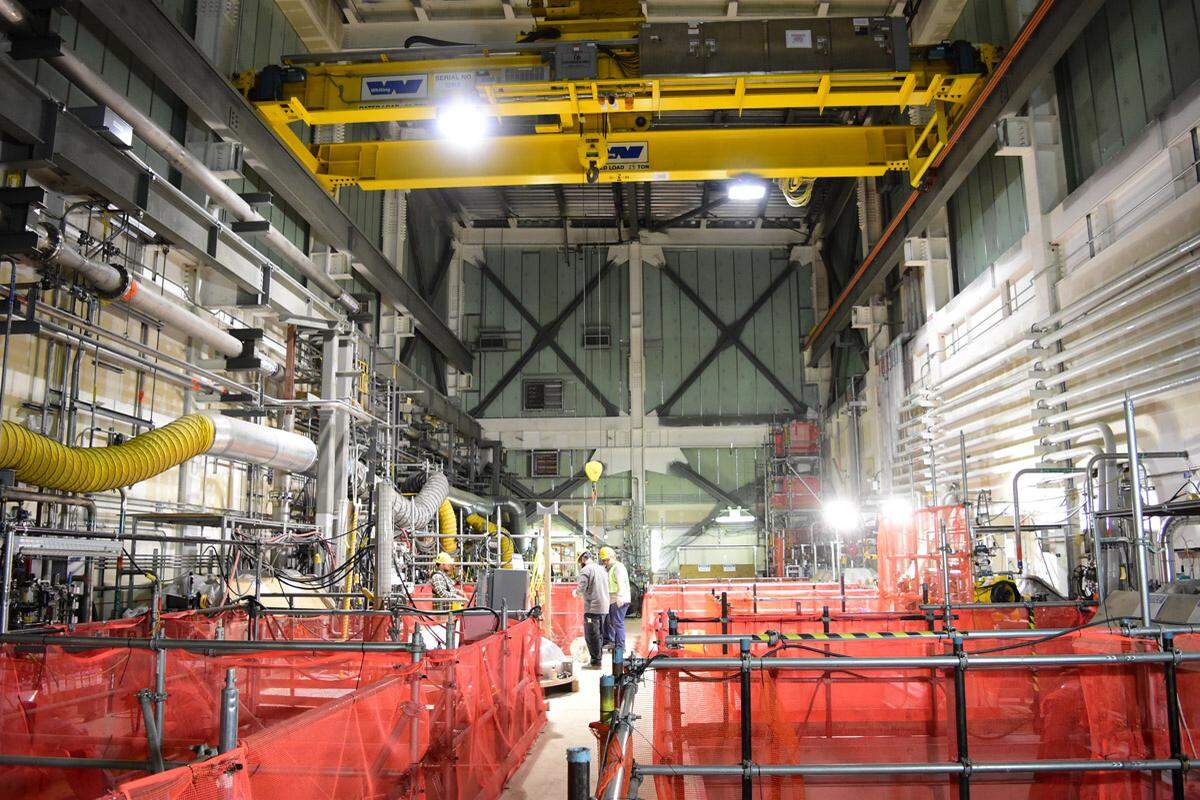
Grouted waste has so far not been approved to be disposed of at Hanford because of possible concerns about whether grout would contain the waste long term in Hanford soil as well as glass.
A Government Accountability Office report released in May 2017 said that Waste Control Specialists, which would profit from the waste grouting initiative, has said that grouting waste at Hanford could cost up to $16.5 billion less than expanding the vitrification plant to treat all of the tank waste.
The GAO report also says that how underground tanks are closed after waste is retrieved could make a significant difference to Hanford budgets.
No decision has been made on what to do with tanks after waste is retrieved to regulatory standards. But if tanks are filled with grout and left in place, costs would be up to $18 billion less than exhuming the entire tanks for disposal elsewhere, according to the GAO report.
This story was originally published August 11, 2022 at 12:32 PM.