
More COVID loan fraud cases being investigated in Tri-Cities, including at Hanford
A federal task force is investigating several cases of federal loans for COVID-19 relief in the Tri-Cities area based on fraudulent applications, say federal prosecutors.
It reached a $3.2 million settlement with the Hanford nuclear reservation’s occupational medicine contractor, HPM Corp., in March but there are other cases of contractors or subcontractors suspected of double dipping, said Dan Fruchter, assistant U.S. attorney for Eastern Washington
They appear to have received loans for expenses that were already covered by taxpayer money through the Department of Energy, he said.
In addition, a U.S. Attorney’s Office COVID-19 Fraud Strike Force is looking into other cases of fraud across Eastern Washington that run the gamut from companies too large to be eligible for the federal small business loans to people who were awarded loans for businesses that did not exist, Fruchter told the Tri-City Herald.
“COVID-19 relief programs, which were essential to lifting our economy and supporting our families, quickly ran out of money due to the number of people and businesses that requested funding,” said Vanessa Waldref, the U.S. attorney for the district.
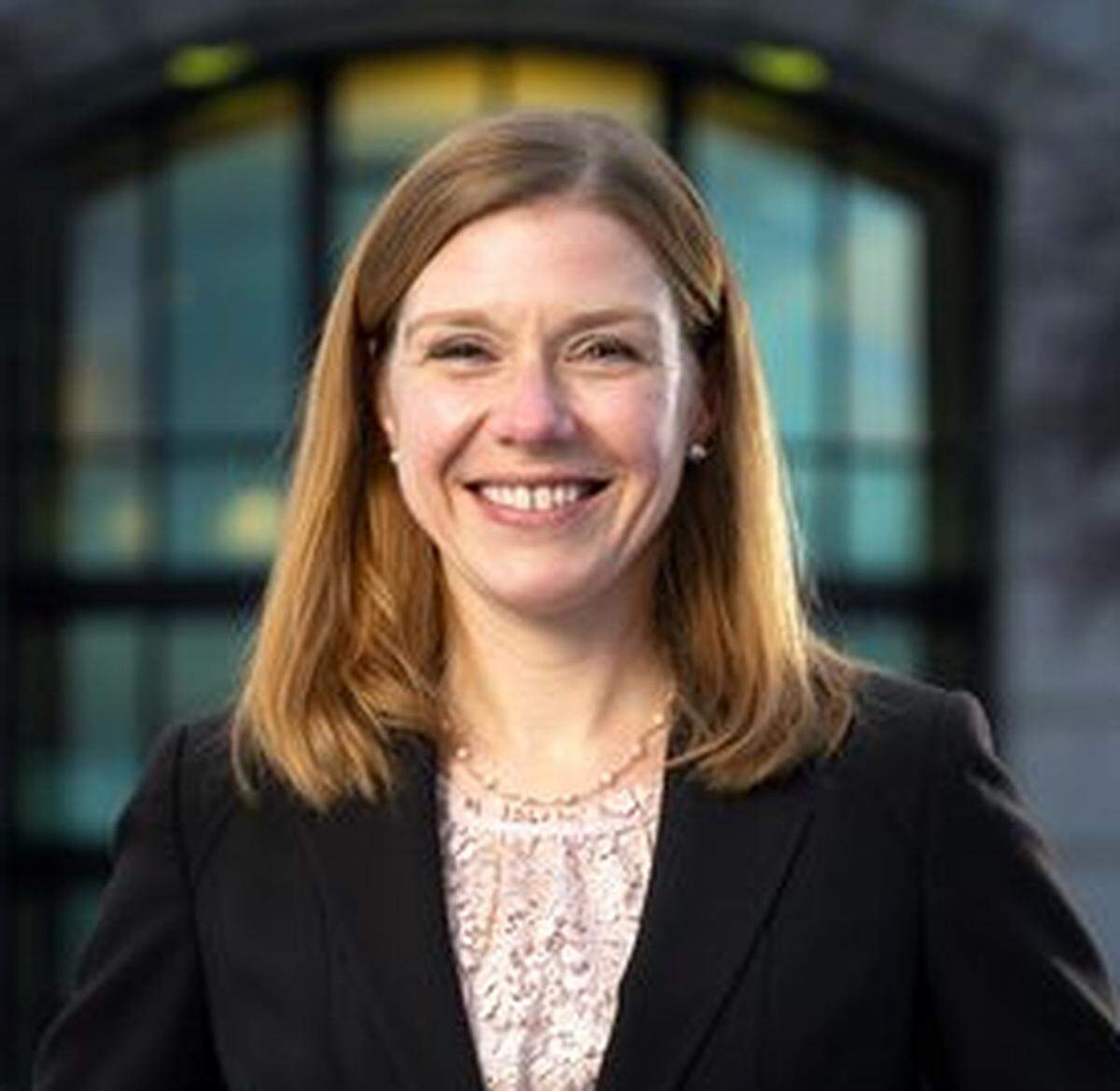
“It is not fair that some deserving small businesses could not obtain funding to keep their businesses in operation during the COVID-19 pandemic, when others abused the program,” she said.
The Eastern Washington District U.S. Attorney’s Office created the strike force this spring, to funnel resources into investigating and prosecuting COVID-19 fraud.
E. Washington cases
In its agreement with HPMC Corp. at Hanford, the company agreed to pay nearly $3.2 million in restitution and penalties, including a $250,000 penalty against its owners.
The company received a $1.3 million loan under the Paycheck Protection Program of the Coronavirus Aid, Relief and Economic Security, or CARES, Act.
But instead of using the loan for payroll, the entire amount was transferred into the personal account of Hollie Mooers, the founder and president of HPMC, and her husband, Grover Cleveland Mooers, according to an investigation by the Department of Energy Office of Inspector General.
That was about three months after the loan and interest were forgiven by the federal government. About two months later the full amount of the loan was distributed to charities.
That case was pursued through the U.S. False Claims Act, which can result in agreements to repay as much as triple the amount of the loan to the federal government and its taxpayers.
Other Eastern Washington cases are being pursued as criminal matters.
Karla Padilla, 48, of Yakima, was indicted in May on seven counts of fraudulently obtaining COVID-19 relief money.
She is accused of obtaining three federal loans totaling about $59,000 for Queen B Collectibles, purportedly a collectible car business, and applying for four more loans that were denied.
But Queen B Collectibles had no employees, receipts or business operations, according to U.S. attorneys.
In another case, Roshon Edward Thomas, 52, of Spokane, pleaded guilty in May to fraudulently obtaining more than $50,000 in COVID-19 relief funds for a purported tattoo parlor and a clothing design company.
Few COVID loan controls
The federal loans were being awarded during a time of crisis as businesses were closing and employees were left without a paycheck.
“There simply wasn’t time when the money was being doled out to do much, if any, due diligence ... ,” Fruchter said. “And so what happened was billions of dollars went out the door with really no controls in place other than trusting people when they promise under penalty of perjury that they have a real business and that the information is true and correct.”
Now the COVID-19 Fraud Strike Force is chasing the people who lied, he said.
The CARES Act loan program paid out hundreds of millions of dollars in Eastern Washington, the vast majority of which have not been paid back, according to the U.S. Attorney’s Office.
It is headed by Fruchter and Assistant U.S. Attorney Tyler Tornabene — working with an attorney assigned from the Department of Energy’s Office of Inspector General — plus support staff with expertise in financial analysis and electronic discovery.
Also participating are federal agents, as needed, from 14 federal agencies, ranging from the Federal Bureau of Investigations to the Internal Revenue Service.
Part of the goal is to move cases forward rapidly, particularly for smaller or faux businesses, with assets that could no longer exist if U.S. attorneys do not move quickly to seize them, according to the U.S. Attorney’s Office.
“We want to recover as much as we can for the public,” Fruchter said.
This story was originally published June 6, 2022 at 10:05 AM.