
‘Outdated.’ Hanford is unprepared for another radioactive tank waste leak, says federal audit
Hanford could be challenged to immediately empty another of its underground, double-shell tanks holding high level radioactive waste if more of those tanks fail.
A Department of Energy Office of Inspector General audit report released Monday said that not only could an immediate issue develop, but Hanford could face long-term issues as deteriorating tanks are now planned to store waste until at least 2047.
The Hanford nuclear reservation has 56 million gallons of radioactive and hazardous chemical waste stored in underground tanks in the center of the site until it can be treated for disposal.
“(DOE) faces risks of a contamination event from failed tanks without an adequate path forward to address the situation, which could affect the safety of workers, the public and the environment,” the IG audit report said.
A major leak from one of Hanford’s 177 waste tanks could allow large quantities waste to reach the groundwater, it said.
“Contamination in the groundwater could eventually reach the Columbia River, which provides drinking and irrigation water for a significant portion of the Pacific Northwest, as well as a habitat and spawning area for several endangered species of salmon,” the report said.
Workers are emptying waste from 149 leak-prone, single-shell tanks built between 1943 and 1964 into the limited space of just 27 newer double-shell tanks that provide increased protection against the waste leaking into the soil.
The waste is left from the past production of plutonium for the nation’s nuclear weapons program during World War II and the Cold War.
Single-shell tanks
The single-shell tanks were built to last just 20 years and at least one has been actively leaking since at least 2013.
As many as 59 are assumed to have lost waste through leaks and spills in the past.
The issue was addressed by pumping as much liquid waste as possible from the tanks by 2005 since liquid poses the primary risk of leaks from the tanks, but some liquid waste plus large amounts of sludge and saltcake waste remains in the tanks.
In addition, water is infiltrating the single-shell tanks.
A DOE study finished in January 2019 found that 24 single-shell tanks were being infiltrated with 12 to 1,000 gallons each annually, the IG audit report said.
The water makes it difficult to determine if the level of waste in the tanks is dropping, which could indicate more active leaks.
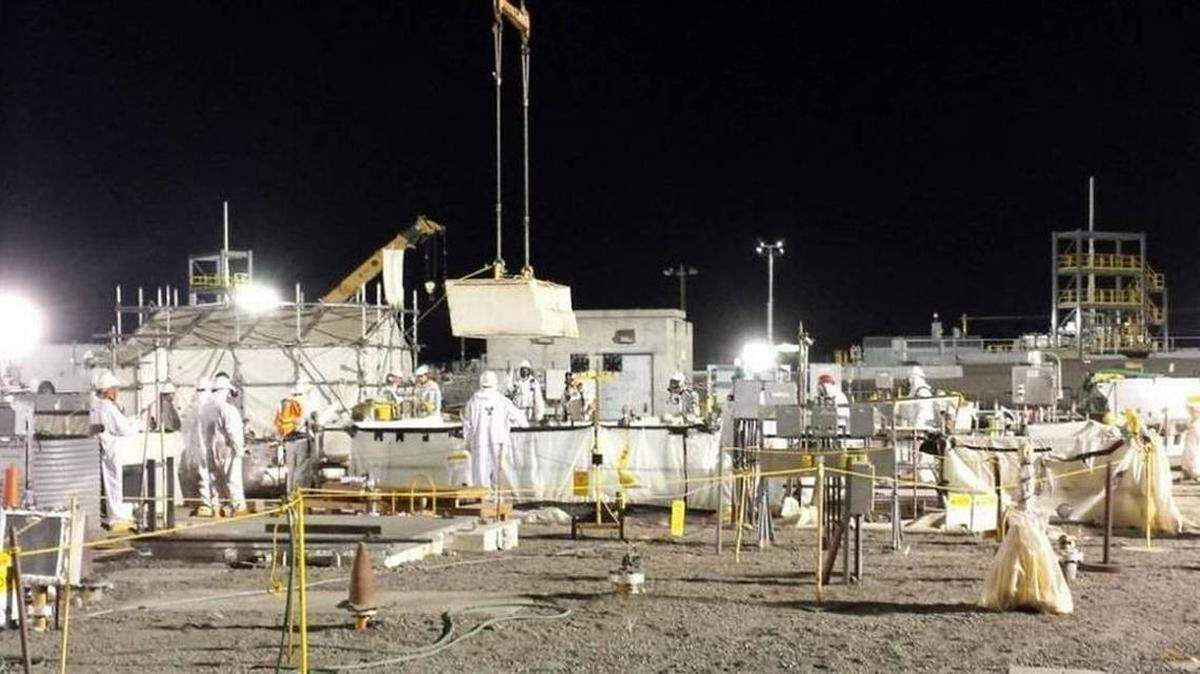
Not only the single-shell tanks but the equipment in the single-shell tank farms, including catch tanks and transfer pipelines, were declared unfit for use in an integrity assessment completed in 2002.
In addition, one of the original 28 double-shell tanks already has sprung a leak in its interior shell and had its contents emptied into another double-shell tank as a precaution. None of the tank’s waste is believed to have reached the soil beneath the tank.
Double-shell tanks
The double-shell tanks, built between 1968 and 1986, were engineered to last 20 to 50 years, depending on the tank.
All will be 11 to 51 years beyond the time they were designed to be used by 2047, the DOE IG report said.
Currently, DOE does not have plans to build more double-shell tanks, saying its available budget for Hanford environmental cleanup is better used getting waste treated.
If one of the three double-shell tanks in the 200 West Area of central Hanford were to begin to leak, sufficient space would not be available for it to be emptied immediately into the two other tanks, the IG audit report said.
The tanks are in areas 6.5 miles apart at the 580-square-mile nuclear reservation and the waste pipelines between the two areas are not in service.
The liquid waste transfer pipeline between the areas was last used in 2007 and the second transfer pipeline intended for a slurry of liquids and solids has never been used.
The same problem would be faced in the 24 operating double-shell tanks in the 200 East Area if space were needed if more than one additional double shell tank develops a leak, according to the report.
“There is a risk that could occur,” according to the IG audit report.
DOE found that several double-shell tanks are at risk for tank bottom corrosion after the first double-shell tank leak was found and that tank emptied, but has found no current leaks in the 27 double-shell tanks in operation.
When the Waste Treatment Plant, or vitrification plant, begins treating some waste for disposal more space will be freed up in double-shell tanks.
But if two or more double-shell tanks fail before it begins operating as planned at the end of 2023, there would not be space in the remaining tanks to empty those with leaks and continue emptying single-shell tanks, the IG audit report found.
Because of the limited space in each double-shell tank, if one of the double-shell tank leaks waste might need to be transferred into multiple other tanks, increasing the time needed for the transfer.
Tank space limits
It took DOE three years to empty Tank AY-102, the double-shell tank that leaked as early as 2012, as two years were spent to design, build, install and test waste transfer equipment and then another year was spent removing the waste.
“To the department’s credit, it demonstrated that it could successfully remove DST (double-shell tank) waste,” the audit report said. “However, the department recognized that the AY-102 effort was time-consuming and costly.”
The double-shell tanks have a capacity of up to 1.3 million gallons, and they still have 5.8 million gallons of space unused, according to the IG audit.
But more than half of that space is unusable, with restrictions due to the mix of chemicals in each double-shell tank restricting the available space to hold more than 2.5 million gallons of waste. The chemical waste in some tanks generates flammable gas, raising concerns about adding more waste to them.
“... (T)he department’s plan to facilitate the safe and timely transfer of waste in the event of an emergency is outdated,” the IG audit report concluded.
DOE said that an update to its Double Shell Tank Emergency Pumping Guide will be completed this year with as much preplanning as practical to empty a double-shell tank, if needed.
Waste tank improvements
It also has invested in major upgrades to tank farm systems and started a tank integrity program that evaluates the condition of single- and double-shell tanks, monitors the tanks and controls the chemistry of each tank.
Its inspections of the double-shell tank system have shown they remain fit for service and likely will have decades more of useful life, according to DOE.
It also has conducted structural and seismic analysis of the tanks to see if the maximum capacity of some tanks can be increased.
DOE also is pursuing a second method, in addition to the vitrification plant, to treat several hundred thousand gallons of some of the least radioactive waste in the tanks. and free up double-shell tank space.
A test of three gallons of tank waste has been completed so far. The waste was shipped off Hanford to be turned into a grout form and delivered for disposal in a Texas repository.
DOE responds
The audit report recommended that in addition to finishing the emergency pumping guide, DOE develop plans to address additional double-shell tank failures and bring the transfer pipeline between the the 200 East and 200 West area to operating condition.
DOE agreed with the recommendations, but it said management of Hanford tank waste requires a balanced approach that considers, among other factors, safety, risk cleanup progress and the availability of funding.
“Ultimately, the best course of action to address issues with tank waste management and to remove waste from aging tanks is the treatment of the waste currently stored in the tanks,” DOE said in its written response to the audit.
This story was originally published October 5, 2020 at 12:55 PM.