
Hanford cleanup, PNNL money could be raided for nuclear weapons spending under proposal
Department of Defense control over the Department of Energy budget, including for the Hanford nuclear reservation and national labs, has been slipped into a Senate bill.
The legislation is dangerous, said Sen. Maria Cantwell, D-Wash., in a speech on the Senate floor Monday.
It would remove checks and balances on the nation’s nuclear weapons program, wrestling away civilian control of the nation’s nuclear arsenal and giving it to the military, she said.
The language in the bill also would allow the Department of Defense “to raid dollars used by the Department of Energy” for cleanup of nuclear waste and for energy research, including at national laboratories like Pacific Northwest National Laboratory in Richland, she said.
The money could instead be spent on the nation’s nuclear arsenal.
Cantwell and other senators are asking the Senate Armed Services Committee, which inserted the language in the National Defense Authorization Act, to remove it.
“I just can’t even believe that it’s actually in this legislation,” she said.
In addition, Sen. Joe Manchin, D-W.V., the ranking member of the Senate Energy and Natural Resources Committee, has written an amendment that would remove the language, and Cantwell has signed onto it.
The defense bill is being discussed by the Senate this week, but there’s no guarantee the amendment will be considered and few lawmakers will cast a vote against the annual defense authorization act.
“It is unbelievable” that such a major change to national policy be inserted in the bill “without the light of day shone on it,” Cantwell said.
Energy Secretary Dan Brouillette also is opposing the proposed legislation, saying in a Monday letter to the Senate Armed Services Committee leadership that management of the nation’s nuclear weapon capabilities is his most important responsibility.
“Congress originally assigned the creation and sustainment of the nation’s nuclear deterrent to the Atomic Energy Commission (the precursor of DOE) in 1946 to ensure a balance between resource allocation, military necessity and civilian control,” he said. “The secretary of energy, coordinating with the secretary of defense, plays a critical role in achieving this balance.”
The legislation would require the energy secretary to send the proposed budget for the National Nuclear Security Administration (NNSA), a semi-autonomous agency within DOE, to the Nuclear Weapons Council for a review to determine if it is adequate to meet Defense Department nuclear weapons objectives.
“That cuts the legs out from under the energy secretary as related to the budget and budget priorities,” Cantwell told the Tri-City Herald.
‘Zero-sum game’
If the council believes the nuclear weapons budget is inadequate, it can set new funding levels to send to the energy secretary, moving funds from other parts of the DOE budget.
The energy secretary would be required to use those levels in his budget submission to the White House, according to the Energy Communities Alliance, a coalition of local governments near DOE sites, including Hanford.
The alliance called it a “zero-sum game for defense funding” that would almost certainly cut environmental cleanup and other spending without the energy secretary’s input.
“I do not believe that the Nuclear Weapons Council understands the Department of Energy’s priorities,” Cantwell said. “How could they? Do they set in on any of the meetings for the national labs or the waste cleanup?”
Hanford cleanup
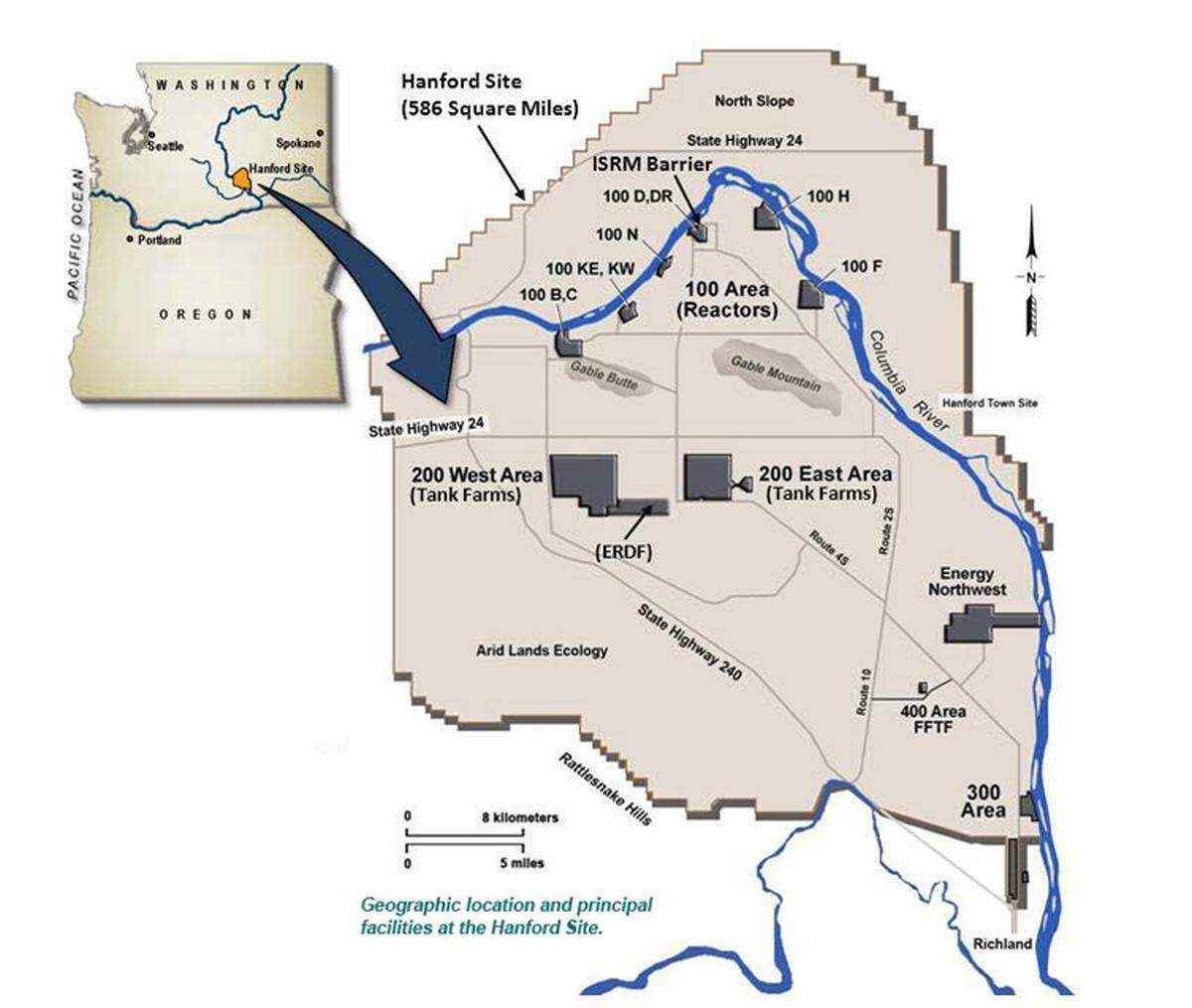
About $2.5 billion a year is being spent at the Hanford site to clean up radioactive and other hazardous waste left from the past production of plutonium for the nation’s nuclear weapons program from World War II through the Cold War.
The Nuclear Weapons Council is made up five Defense Department officials and the administrator of the NNSA, which builds and maintains the nation’s nuclear weapons stockpile.
Now the energy secretary is accountable to Congress for DOE budgets, but that accountability would be removed and decisions would be in the hands of subcabinet-level officials, Cantwell said.
“It’s unheard of,” she said.
What would stop the Department of Defense from gaining control of budgets for other agencies with which it shares an interest, such as the State Department, she asked.
Brouillette said that giving the Department of Defense the final word on DOE’s budget violates DOE’s position as a distinct and Cabinet-level agency equal to the Department of Defense.
“I hope my colleagues will speak loudly and clearly about this,” Cantwell said in her floor speech. “This is a bipartisan issue.”
This story was originally published June 30, 2020 at 10:07 AM.