
Hanford contractor awarded $20 million in incentive pay. Contract extended
Hanford contractor Mission Support Alliance received 88 percent of the total incentive pay available for the last fiscal year, earning $20.5 million.
The percentage earned dropped from 94 percent of the possible pay it received for fiscal year 2018.
The Department of Energy also announced that it plans to extend Mission Support Alliance’s contract to provide site-wide services at across the Hanford nuclear reservation, which expires May 25, through November 25.
DOE also plans to put in place an option to extend the contract for six months beyond that, if needed. It would extend the contract to May 25, 2021.
Mission Support Alliance’s 10-year contract originally was set to expire May 25, 2019, but has previously been extended.
DOE awarded a new contract for site services in December 2019 to valued at $4 billion to Mission Integration Solutions, but the award was appealed to the Government Accountability Office by a losing bidder.
GAO has a deadline to rule on the appeal, called a protest, by May 20. If GAO lets the contract stand, then Mission Support Alliance will continue to provide services through a four-month transition period.
It and Mission Integration Solutions share some common ownership.
Mission Support Alliance, which employs about 1,950 people, is owned by Leidos Integrated Technology and Centerra Group. Mission Integration Solutions is owned by Leidos, Centerra and Parsons Government Services.
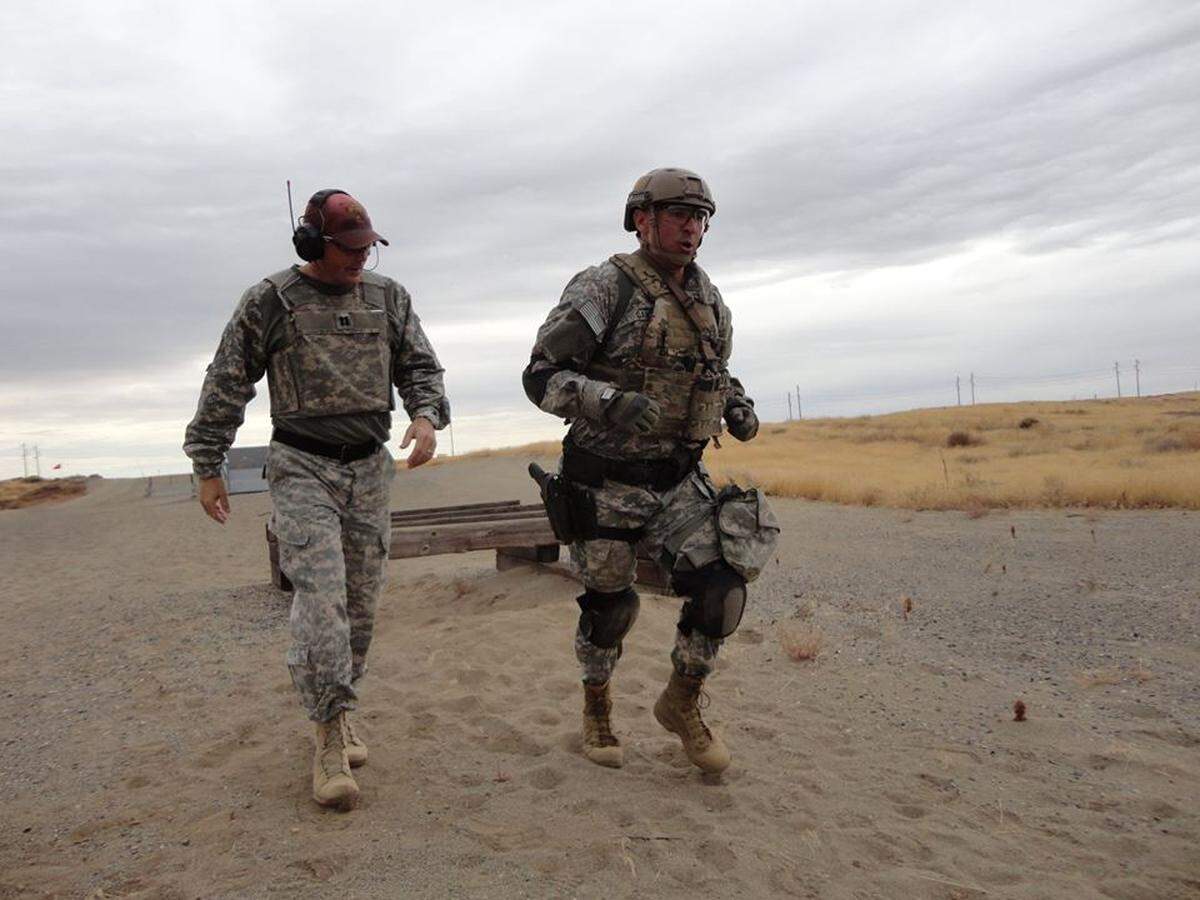
The services covered by the expiring and new contract award are similar, covering security, fire and emergency services, land management, utilities, road services, management of the HAMMER training center and information technology.
The new contract also will include providing assistance to DOE in soliciting and administering federal small business contracts at Hanford.
Contractor 2019 pay
For the past fiscal year, Mission Support Alliance was eligible to earn $23.2 million in incentive fee for its work from October 2018 through September 2019, with pay divided between completion of certain work and a subjective evaluation.
It earned nearly $14.7 million of the nearly $14.9 million available in fiscal 2019 for completing specific tasks.
But it earned only $5.9 million of the $8.4 million available based on DOE’s subjective evaluation of its work.
It was good enough for DOE to conclude that “the contractor met or exceeded the majority of performance goals and objectives for the performance period,” according to a scorecard released by DOE.
The scorecard said the contractor had no significant deficiencies, but had opportunities to improve in controlling costs and meeting schedules.
Projects for which DOE praised Mission Support Alliance (MSA) include:
▪ Providing strong management and response during the Cold Creek Fire until U.S. Fish and Wildlife Service crews arrived to assume command. MSA’s work kept the 42,000-acre fire from spreading to the operational areas of Hanford.
▪ Continuing to reduce infrastructure as environmental cleanup continues, which reduces maintenance costs and allows a focus on the infrastructure needed for current and future Hanford work. One example was MSA’s consolidation of information technology infrastructure, which eliminated the need to invest $1 million in upgrades and $175,000 in annual maintenance and operation costs.
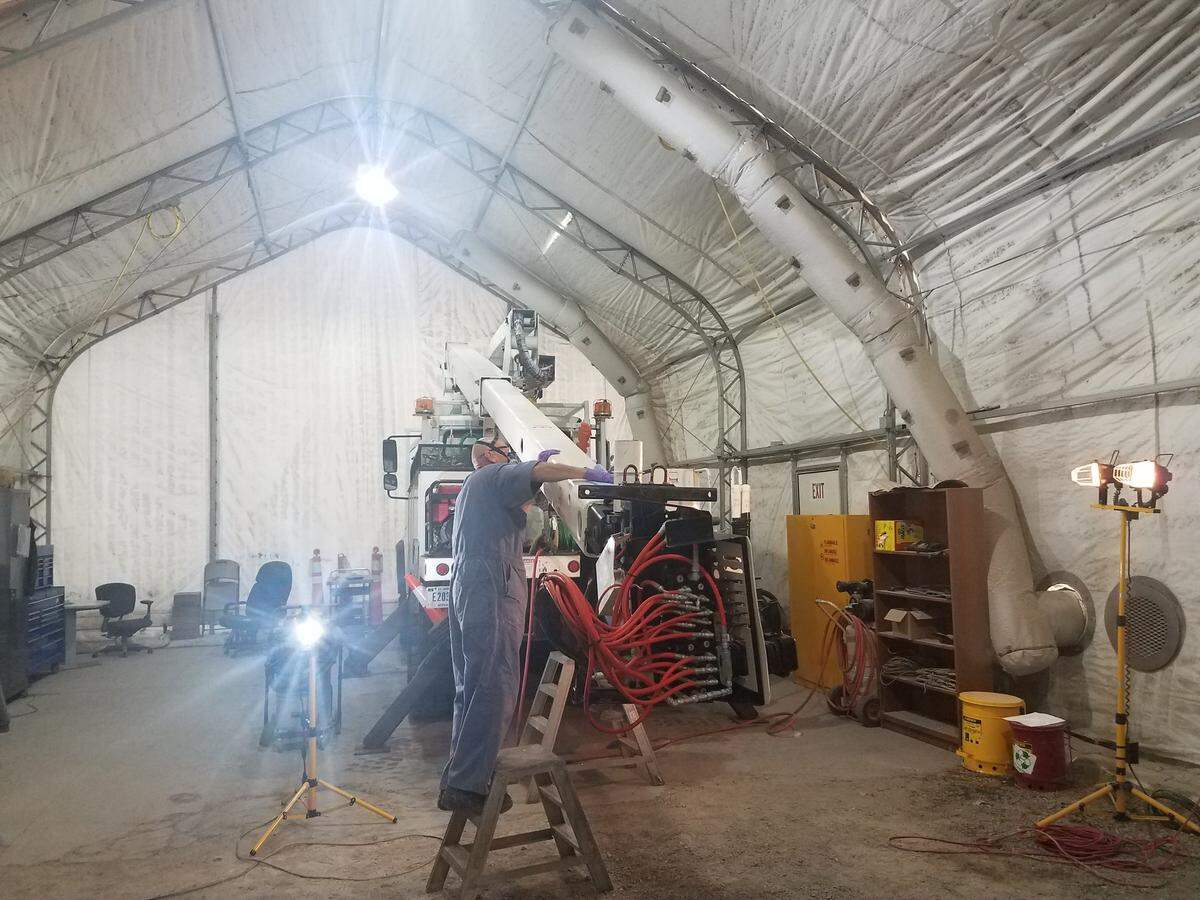
▪ Maintaining what DOE called “an exceptional workload” in servicing protective breathing gear used at the Hanford tank farms, by firefighters and for other work. It filled nearly 85,000 air cylinders, more than the combined number of air cylinders used by fire agencies in Seattle and Spokane.
▪ Demonstrating sustained improvement in supporting DOE’s effort to integrate work among contractors as preparations are made to vitrify radioactive waste. MSA worked with DOE and other contractor leadership to expand the role of Hanford councils and boards to deliver sound decisions that will ensure the safety of the Hanford workforce as the moves to 24-hour waste treatment operations, DOE said.
The Hanford nuclear reservation is contaminated from the past production of plutonium for the nation’s nuclear weapons program from World War II through the Cold War. Environmental cleanup work is being done by contractors hired by DOE.