
U.S. energy secretary defends $700 million cuts proposed for Hanford, praises Richland lab
The Trump administration’s proposal for Hanford funding in fiscal 2021 would halt important environmental cleanup projects at the nuclear reservation, Rep. Dan Newhouse, R-Wash., told the energy secretary Thursday.
Energy Secretary Dan Brouillette came before the House Appropriations Energy and Water Development Subcommittee to be questioned by Newhouse and others during a hearing on the recently released budget proposal.
The administration’s Hanford budget request would cut more than $700 million from the current spending of a little more than $2.5 billion in the fiscal year that starts in October.
“I was truly disappointed” in the request, Newhouse told the energy secretary.
“Cleanup levels would be profoundly impacted for the worse and a number of important and successful efforts would be halted,” Newhouse said, listing some of those projects.
Hanford projects impacted
They include the cleanup of soil contaminated with highly radioactive waste beneath the 324 Building just north of Richland and near the Columbia River.
Money would be cut for the 200 West Pump and Treat Facility, the Department of Energy’s, which was supposed to be treating up to 3,750 gallons of polluted groundwater a minute in fiscal 2021 to remove radioactive and chemical contaminants before it could migrate toward the Columbia River.
A risk mitigation program that is addressing highly contaminated structures that are at risk of collapse, just like the PUREX plant tunnel in May 2017, would be impacted.
DOE announced plans this week to start work this summer to stabilize the first three of 11 structures identified as being at risk of collapse.
The cuts also would take money from work to remove radioactive cesium and strontium capsules from underwater storage in a basin that could be damaged in a severe earthquake.
The nearly 2,000 capsules, each 22 inches long, could break and release radioactive particles into the ground or air if cooling provided by the water is lost.
“In order for the U.S. government to fulfill its obligation, consistent and predicable funding is absolutely critical,” Newhouse said. “Anything less only prolongs cleanup and dramatically increases the cost.”
The 580-square-mile Hanford site is contaminated from the past production of plutonium for the nation’s nuclear weapons program.
Remaining radioactive waste includes 56 million gallons of sludge and liquid held in underground tanks, the oldest built as early as World War II and at least one of them currently leaking waste into the ground.
Brouillette countered that although he appreciated Newhouse’s concerns, the proposed budget would meet DOE’s moral obligation to the state of Washington and the nation to cleanup Hanford.
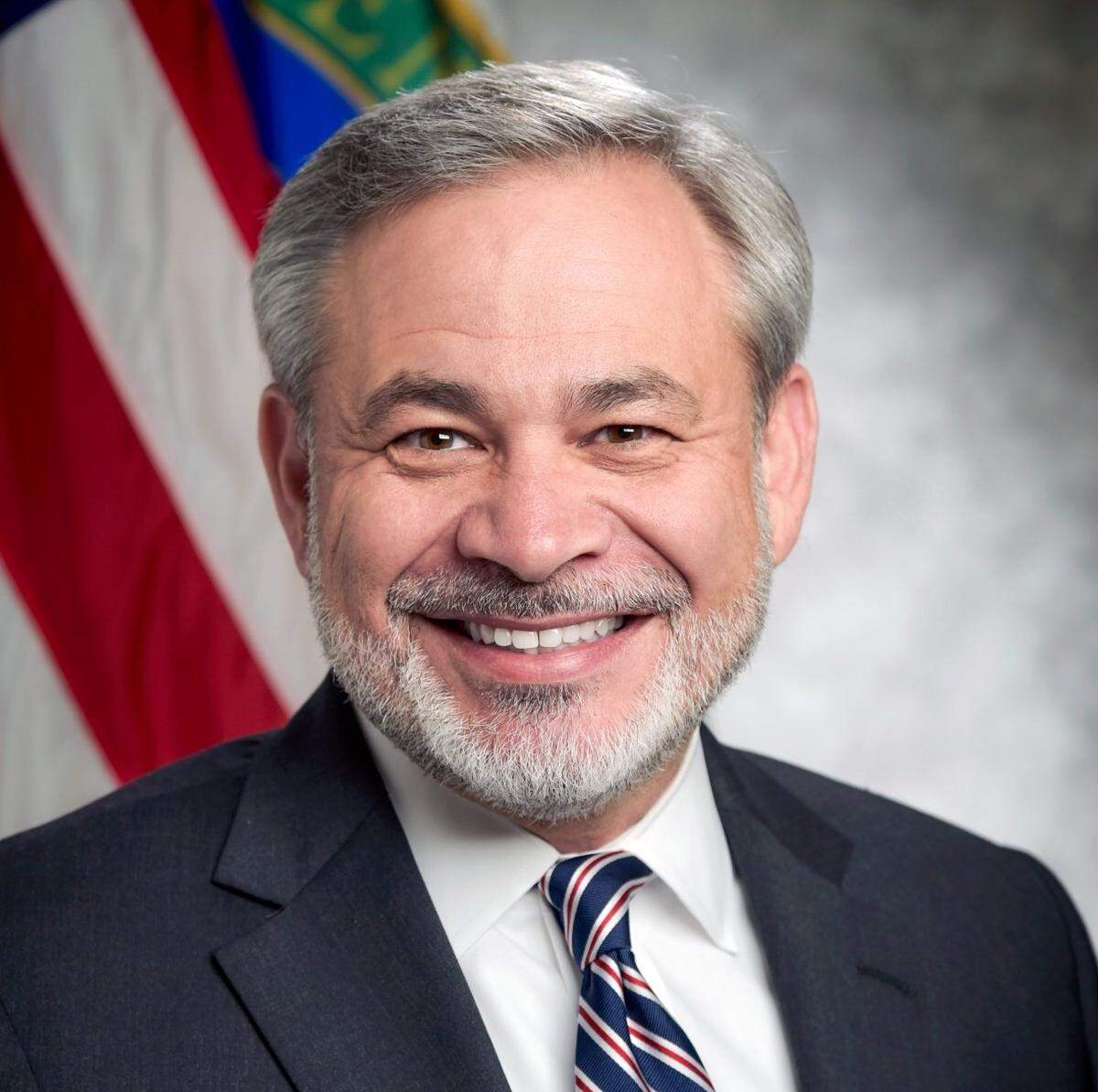
“Reductions you see in the budget are taken primarily from what we refer to as carry-over funds” or money left over from a previous budget, Brouillette said. “Congress has been extremely generous to us with regard to the environmental management program.”
Important work to start treating some of the radioactive tank waste would continue on schedule, he indicated.
The $17 billion Hanford vitrification plant, under construction since 2002, is expected to turn on the the first melter that will be used to heat waste and glass forming material to vitrify the waste in spring 2021.
DOE is ordered by a federal court consent decree to be treating waste in 2023.
Brouillette said he has had a personal involvement in Hanford, since visiting it in the early 1990s as a congressional staff member and working with House Appropriations Energy and Commerce Subcommittee 20 years ago.
“I was a bit dismayed to come back 20 years later and see that many of the same issues — it still faces,” despite some tremendous progress, he said.
Yucca Mountain
Newhouse accused DOE of playing politics with the Yucca Mountain, Nev., repository, which has been planned to take the worst of the vitrified Hanford tank waste.
“I can’t tell you how disappointed I was to see this administration playing politics with something as important as a permanent solution to our nation’s high level nuclear waste,” Newhouse said.
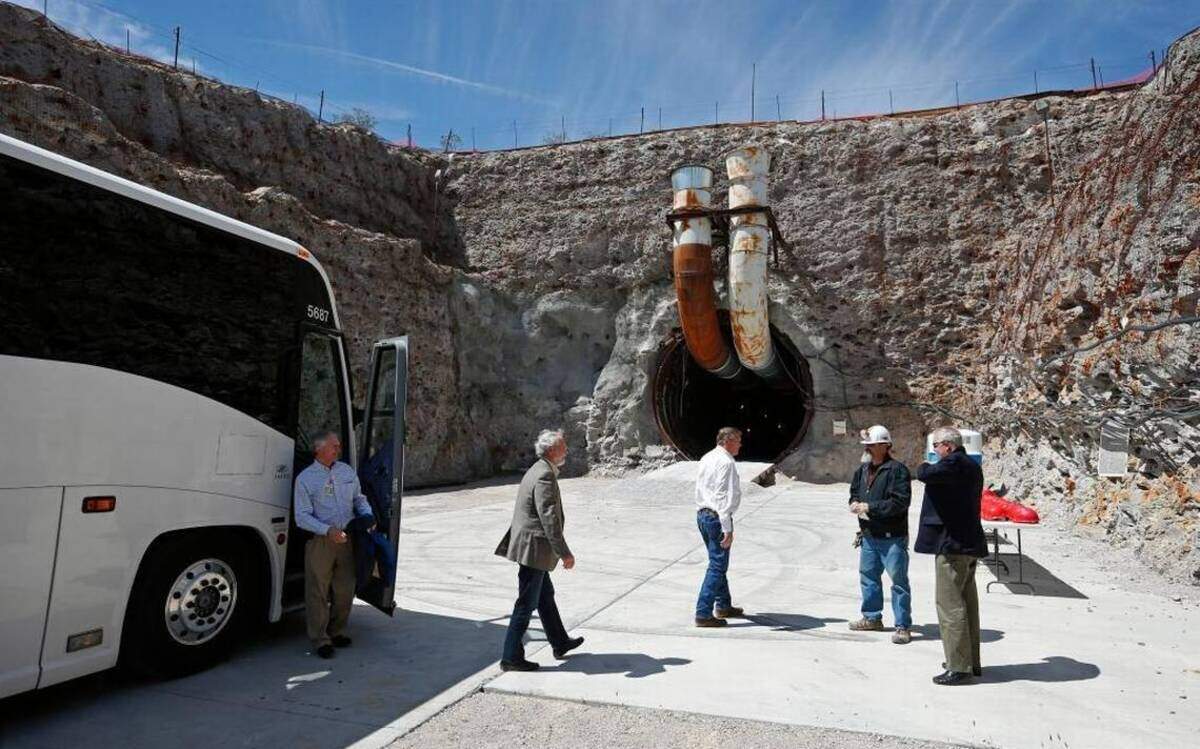
The proposed budget has no money to continue licensing the repository, a change of policy for the Trump administration that was announced by the president in a Feb. 6 tweet.
Trump’s re-election campaign is targeting Nevada as a battleground state it hopes to swing to Trump this year, the Associated Press reported. He lost the state in 2016.
Congress has designated the Nevada mountain as the site to develop the deep geological repository required for disposal of high level radioactive waste.
The administration instead is requesting $27 millions to begin researching alternatives for temporary storage of used commercial nuclear fuel and high level radioactive defense waste in fiscal 2021. However, DOE will wait for approval from Congress to formally begin a process of finding a temporary storage site, Brouillette said.
“I have told the powers that be in the White House that I will fight this with everything I’ve got,” Newhouse said, about the halt to Yucca Mountain work.
After putting upwards of $15 billion “literally into a hole in the ground,” it would be a sure sign of fiscal responsibility to stop work now, he said.
PNNL grid research facility
The good news in the budget was the administration’s continued support for a national grid energy research facility for Pacific Northwest National Laboratory in Richland, Newhouse said.
PNNL was picked in August for the facility, which is expect to cost tens of millions of dollars and attract additional funding and researchers to PNNL.
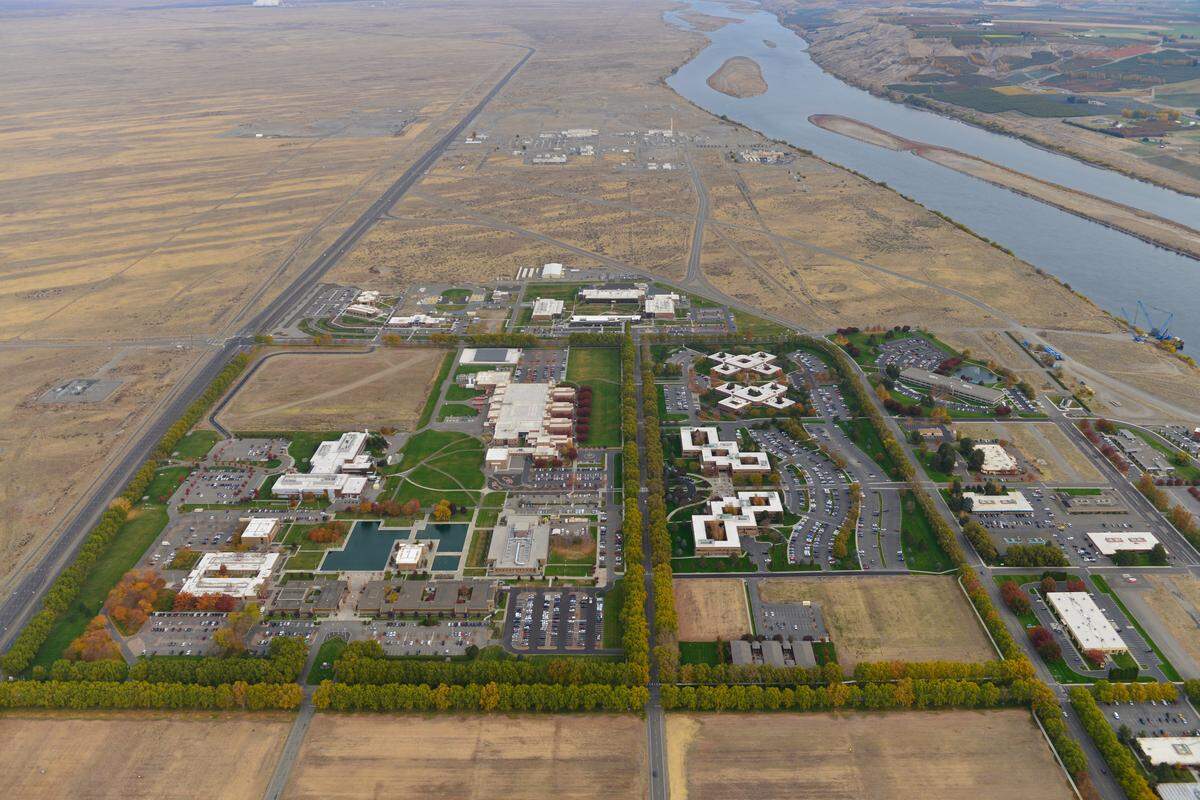
The facility’s research would help modernize the nation’s utility grid to make it more resilient, secure, reliant and flexible, including as more renewable energy comes on line.
“This is an absolutely critical facility for us,” Brouillette said.
The U.S. Energy Information Administration announced this week that it expects wind to surpass hydro as the largest renewable electricity generation source in the United States..
The president wants a diverse energy supply for the security of the nation, the energy secretary said.
To move to a future that might some day see the nation rely on as much as 100 percent renewables for electricity, a facility is needed to research grid-scale batteries to store power produced intermittently, he said.
“All of our supercomputing efforts, all of our big data efforts are centered at PNNL,” he said.
Its expertise in those areas and artificial intelligence “is absolutely essential if we are to achieve any of our renewable goals anywhere in the country,” he said.
This story was originally published February 28, 2020 at 5:00 AM.