
Report slams DOE efforts to prevent catastrophic failures at Hanford nuclear site
The Department of Energy has not done enough to prevent more failures of aging, radioactively contaminated facilities at the Hanford nuclear reservation after the May 2017 partial collapse of a tunnel.
That’s the conclusion of a Government Accountability Office report that looked at Hanford’s decaying facilities and how DOE ensures they are inspected and adequately maintained to prevent an out-of-control spread of contamination until they can be demolished or otherwise cleaned up.
Already, one U.S. senator has asked the secretary of energy what he plans to do to prevent more unexpected facility failures. A structural failure of a highly radioactively contaminated facility could put workers or even the public at risk of contamination, he said.
The report released Thursday found shortcomings in DOE’s investigation of the tunnel collapse, its inspection programs for other aging facilities and raised red flags about highly contaminated plants and storage or disposal facilities.
It questioned whether DOE had a handle on the structural integrity of highly contaminated processing plants and disposal and storage facilities holding hundreds of pounds of plutonium.
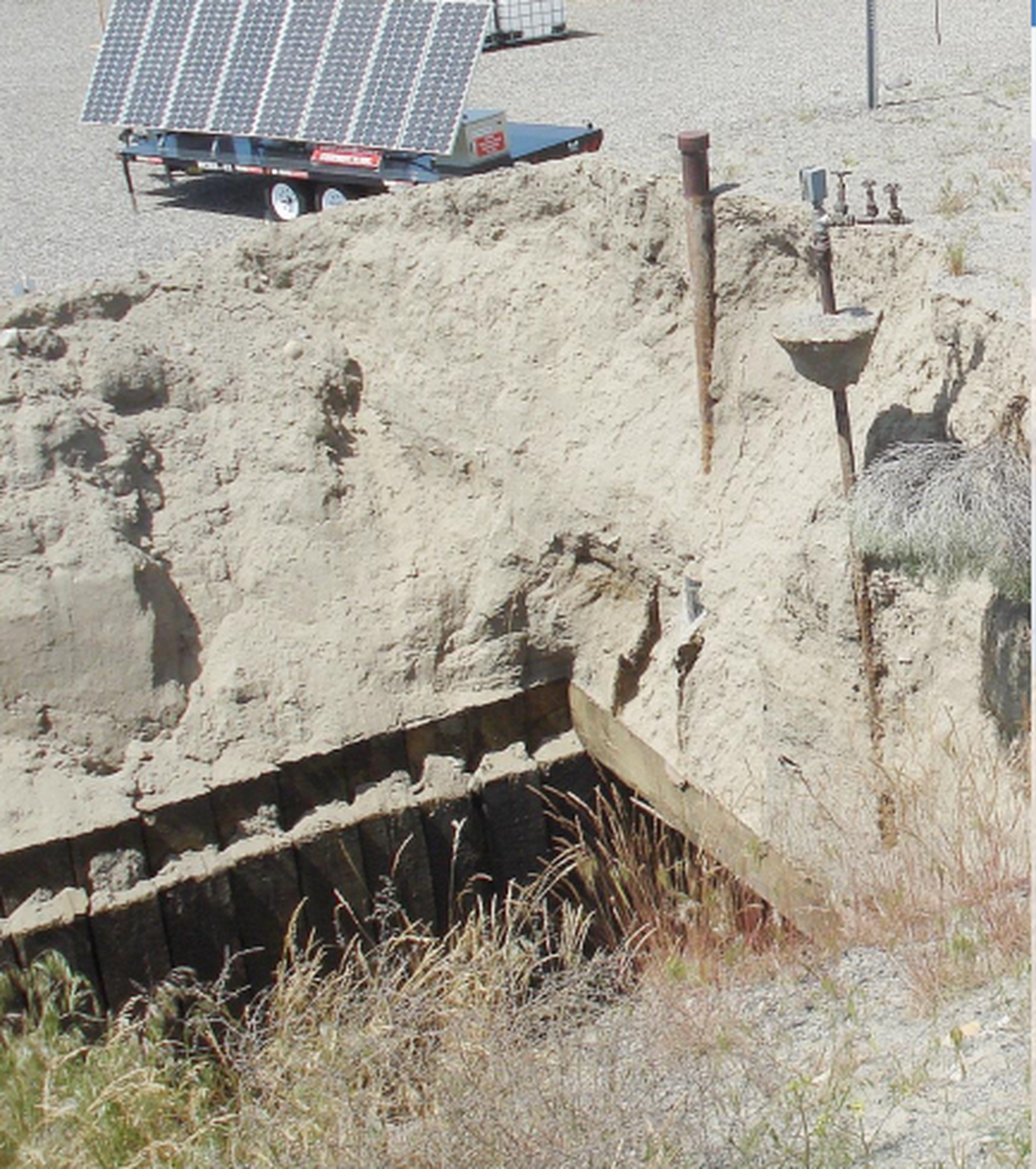
The GAO report raised questions about the way that obsolete facilities are evaluated, monitored and prioritized for cleanup.
Some highly contaminated facilities have no planned date for cleanup completion or will not be cleaned up for many decades to come.
Hanford in Eastern Washington state is contaminated from the past production of plutonium for the nation’s nuclear weapons program from World War II through the Cold War.
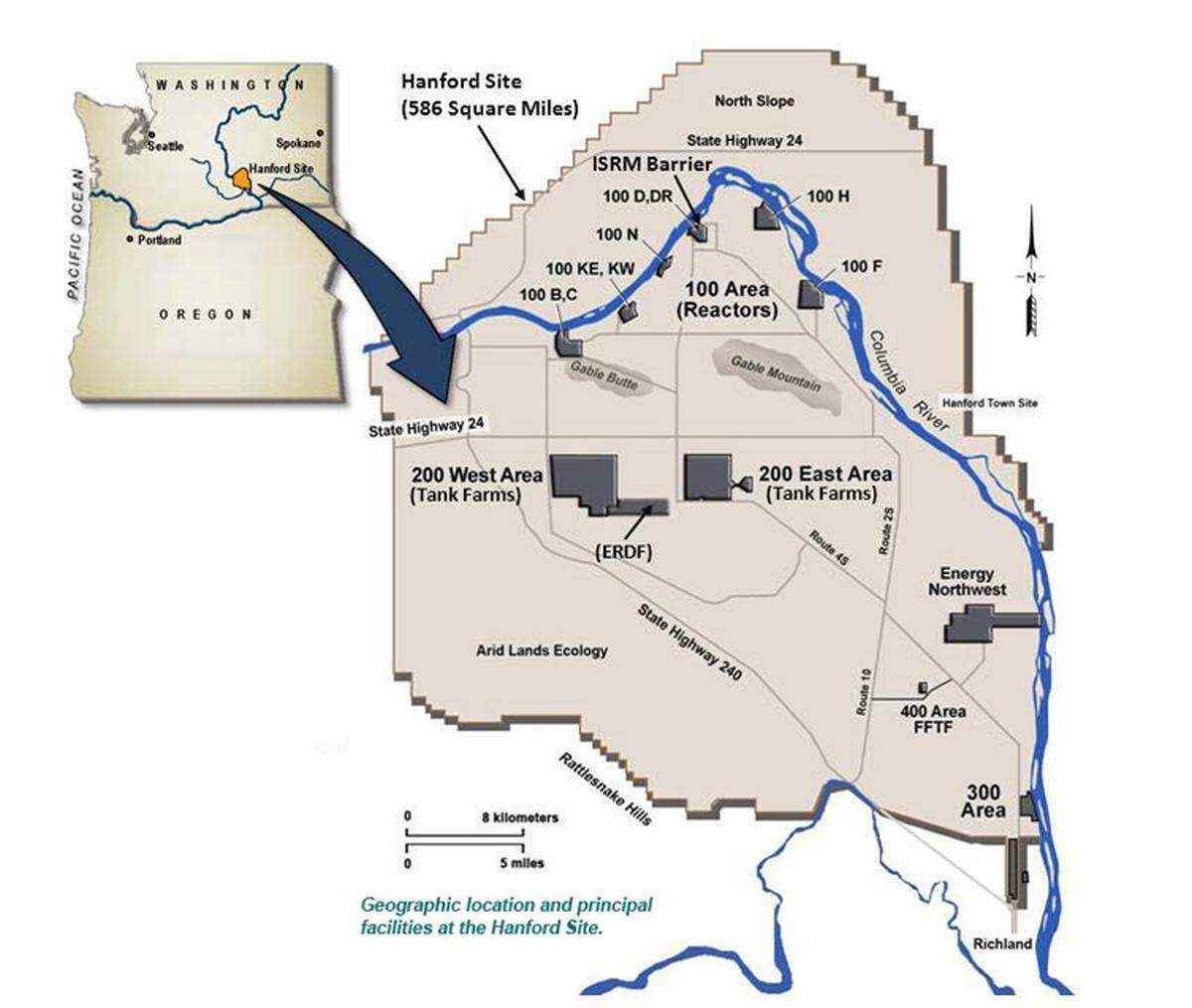
Despite three decades of cleanup and demolition of about 900 facilities, the 580-square-mile site still has large excess buildings, including huge chemical processing plants and associated support facilities contaminated with hazardous chemical or radioactive materials.
Hundreds more buildings and structures, above and below ground, remain after being used for material handling and processing, storage or other support work.
No full tunnel collapse analysis
DOE missed an important opportunity to prevent the potential spread of radioactive material from obsolete facilities after the May 2017 PUREX tunnel collapse, the report found.
When the gaping hole in the top of the tunnel was discovered, thousand of workers were ordered to take cover indoors.
Benton and Franklin counties activated their emergency operations centers, and many in the Tri-Cities anxiously waited to hear if loved ones at Hanford were OK and whether the local communities were at risk.
Fortunately the eight feet of soil that topped the 1950s era tunnel fell into the hole, preventing radioactive particles from becoming airborne.
The sealed tunnel stored eight railcars loaded with obsolete equipment with high levels of radioactive contamination and then pushed into the tunnel.
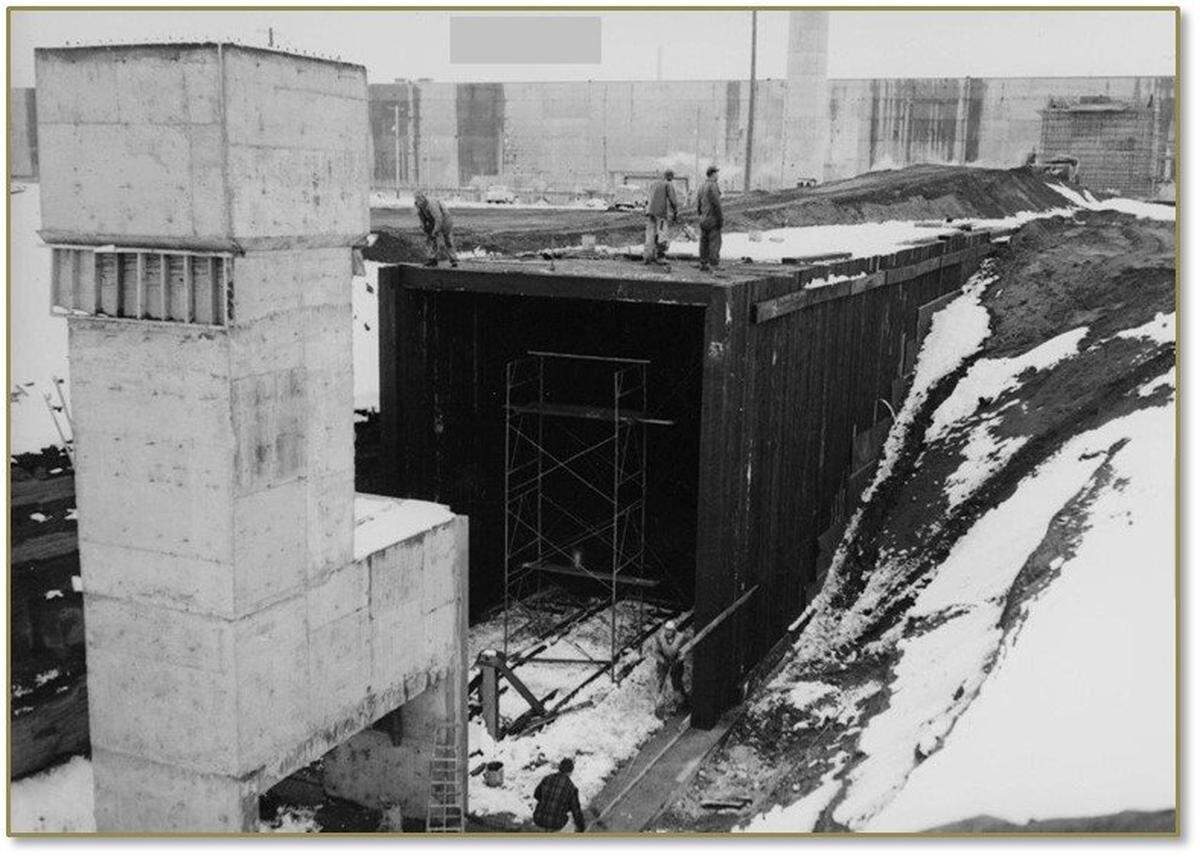
After the collapse, DOE performed a structural evaluation of the tunnel, finding that timbers used to build it likely deteriorated, and decided to fill the tunnel with concrete-like grout to stabilize it.
But it did not do a full investigation — called a root cause analysis — to determine the underlying causes and reasons that the contributed to the surprise collapse, the GAO report said.
DOE had been aware of concerns about the structural integrity of the tunnel that partially collapsed since the 1970s. But the last structural assessment had been done in 1991, with a recommendation then that another assessment be done in 2001.
Regular surveillance and maintenance activity of the Hanford PUREX plant — used to chemically process irradiated uranium fuel to remove plutonium — and its associated facilities also failed to detect the imminent collapse, the GAO report said.
Just five months before the collapse of the tunnel, a surveillance had been done of the tunnel’s exterior with no abnormal conditions reported.
GAO: DOE did not follow rules
The GAO report concluded that DOE’s own rules for accident investigations required a look into what led to the failure to prevent the collapse.
The cost of responding to the collapse and stabilizing the older of the two tunnels was more than $10 million, and in-depth reviews of causes are required for incidents costing more than $2.5 million.
The requirement for the contractor on the project to do a root cause analysis was waived by DOE officials at Hanford, the GAO report found.
If the analysis had been done, the report said, it might have determined why surveys of the outside of the tunnel failed to predict a possible collapse or why the 2001 engineering evaluation was not done.
It also could have determined why stabilization of cleanup of the tunnel was not a higher priority, according to the GAO report.
“DOE would have had greater assurance that another, similar event will not take place at Hanford,” the GAO said.
The month after the partial collapse the DOE Office of Environmental Management started a review of program weaknesses and risks related to other contaminated, excess facilities at Hanford and two other DOE cleanup sites.
But Hanford did not fully implement the review’s recommendations, the GAO report said.
Evaluations done of structural integrity of Hanford’s contaminated excess facilities were not comprehensive, it said.
In addition, regular inspections of contaminated facilities have not been thorough enough, the report concluded.
At 18 of the Hanford facilities that the GAO singled out in the report, 10 had areas not covered by engineering analyses to evaluate structural integrity because of concerns about worker safety.
The 18 Cold War and World War II facilities are expected to be held in surveillance and maintenance mode for an estimated average of 61.5 years before their cleanup is completed, the GAO report said.
One was PUREX, where the deck above the processing cells in the 1,000-foot-long plant, had not been entered for more than a decade, according to a 2015 report reviewed by the GAO.
At another huge processing plant, Hanford’s REDOX, the same 2015 report said the deck area had not been inspected in more than 50 years and structural conditions were unknown.
Checks on structures with plutonium
A 20-foot-deep “crib,” or trench, covered by a concrete roof and once used to dispose of waste at the former Plutonium Finishing Plant has not been inspected using a remote control device since about 2006, the GAO report said.
It is contaminated with an estimated 105 pounds of plutonium.
More recent inspections were done by looking down the stairwell to the trench area and at its roof, according to the GAO report.
.JPG "SHi_j0083(16).JPG")
Inspections in 2016 and 2018 did not include an engineering evaluation or use of robotic tools, but gave the trench a passing grade for structural integrity, the GAO report said.
In 2019 DOE did flag the trench as needing further evaluation.
Another concern is an underground-reinforced concrete basin that served as a settling tank for liquid waste from the Plutonium Finishing Plant.
It holds nearly 100 cubic yards of radioactive sludge, containing an estimated 65 to 150 pounds of plutonium, according to the GAO report.
A 1999 video inspection revealed cracking in the tank’s interior roof and dissolving of the tank’s steel liner, but the interior of the tank had not been inspected since, the GAO report said.
Like the trench, DOE flagged the tank in 2019 as needed further evaluation to determine if it was structurally sound. DOE said then that there was severe deterioration of the construction materials supporting the structure.
The Environmental Protection Agency received a letter from DOE Wednesday — two months after DOE made its official response to GAO on the report — saying it plans to perform a video inspection of both the tank and crib in May and could insert grout in July.
DOE agrees to improvements
The GAO report also criticized DOE headquarters for not conducting assessments or audits of Hanford oversight of its contractors surveillance and maintenance activities since 2013.
DOE agreed with the three recommendations in the report.
- It said by the end of this year it would conduct the recommended in-depth analysis of why the impending collapse of the PUREX tunnel was missed.
- It will continue to work with its cleanup contractors to find robotic or other ways to perform comprehensive inspections of highly contaminated areas within facilities.
- And the DOE Office of Environmental Management will step up oversight of surveillance and maintenance activities at Hanford.
Sen. Ron Wyden, D-Ore., was among U.S. lawmakers directing the GAO to look into DOE’s oversight of contaminated Hanford facilities after the tunnel collapse.
He remained skeptical after GAO issued the report.
“Although DOE has agreed to implement all of GAO’s recommendations, I do not believe this sufficient to ensure protection of workers at the site and the citizens in the region,” he said.
He sent a letter to Energy Secretary Dan Brouillette, asking for the specific steps DOE will take to ensure no more unexpected failures that could release contamination at Hanford or other DOE cleanup sites.
Others requesting the GAO study included Sens. Patty Murray and Maria Cantwell, both D-Wash.; Reps. Dan Newhouse and Cathy McMorris Rodgers, both R-Wash.; Rep. Greg Walden, R-Ore.; and Rep. Frank Pallone, D-N.J.
This story was originally published February 21, 2020 at 9:38 AM.