
Tumblestorm tumbleweeds going up in flames on Highway 240 near Richland
The Hanford Fire Department were burning tumbleweeds Thursday along the 2-mile section of Highway 240 where the worst of the New Year’s Eve tumblestorm hit.
Strong southwest winds blew a bumper crop of dried Russian thistle from the wildlands of the Hanford Reach National Monument across Highway 240 that night. On the other side of the road is the production portion of the Hanford nuclear reservation.
The highway was closed for 10 hours as the Washington state Department of Transportation brought out snowplows to clear the road of the weeds.
Five vehicles were abandoned and then buried in tumbleweeds, with the weeds blowing into piles 20 to 30 feet high at the deepest.
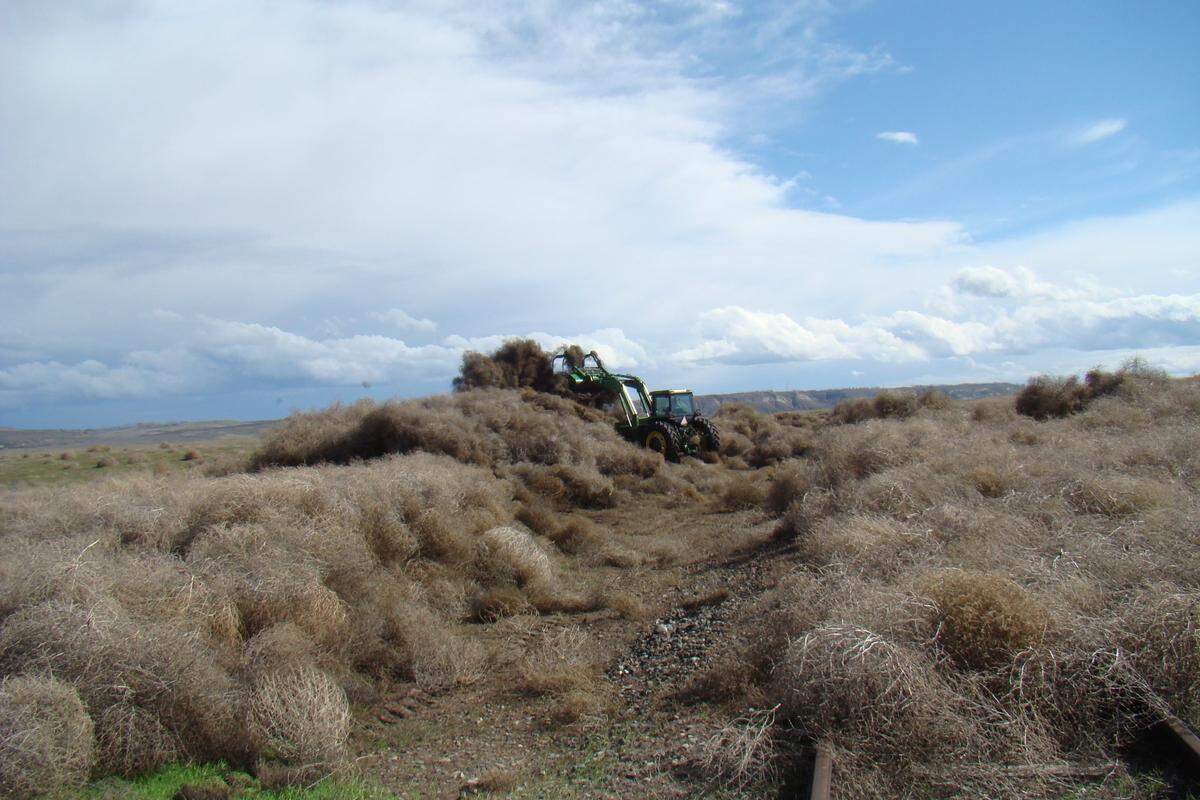
Firefighters on Thursday burned the dried Russian thistle along two miles near the Rattlesnake Barricade secure entrance to the Hanford site from Highway 240.
A Washington state Department of Transportation maintenance crew directed traffic through the section of the highway northwest of Richland where burning was planned until 4 p.m.
Minor delays were expected for drivers.
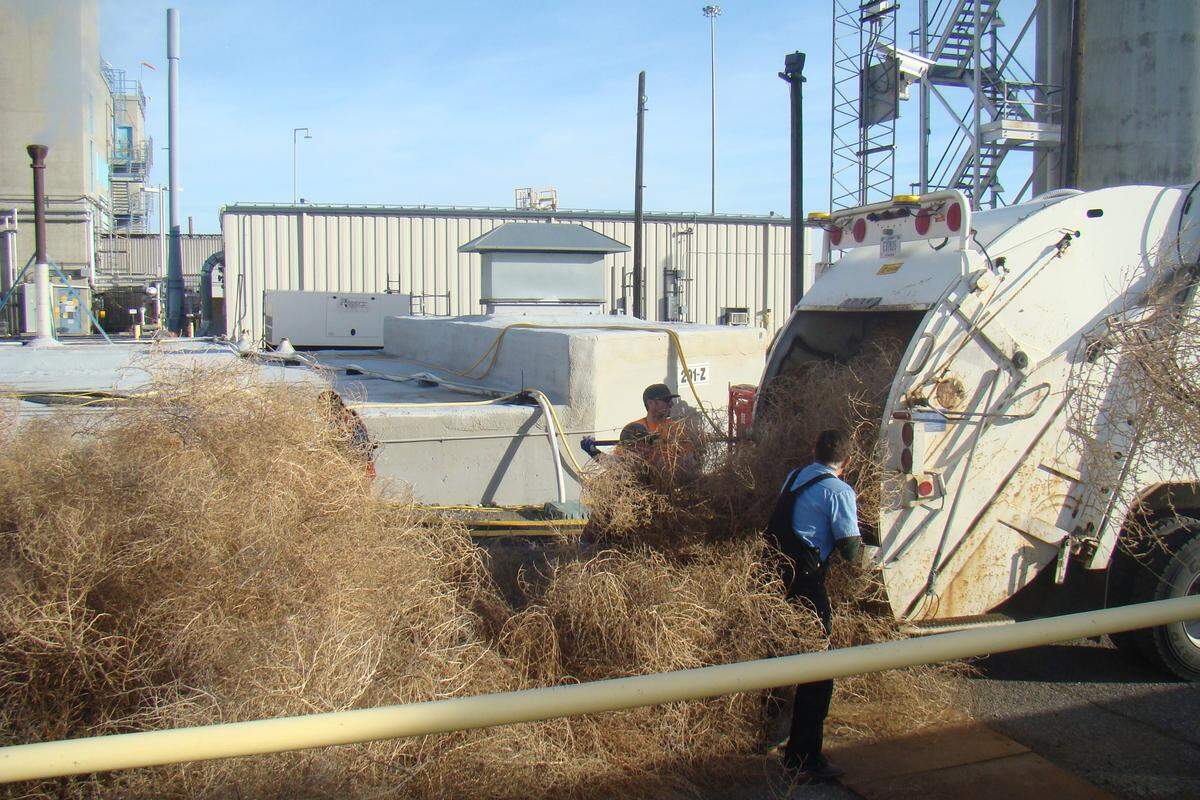
Hanford crews already have been gathering up and compacting tumbleweeds on the Hanford land east of Highway 240. They have piled some into rear-load trucks and compacted them.
The Washington state Department of Transportation has knocked down big piles of tumbleweeds along Highway 240, but estimated that hauling them all away would require about 5,000 truckloads.
This story was originally published January 9, 2020 at 5:00 AM.