
$90 million more for Hanford in latest spending plan. Congress likely votes this week
UPDATE: President Trump signed 12 annual appropriations bills for fiscal 2020 into law Friday, including the one with the Hanford budget.
The House and Senate each approved the appropriations bill with the Hanford budget earlier in the week.
------------------------------------
The proposed budget for the Hanford nuclear reservation for the current fiscal year tops $2.5 billion, according to a bill reconciling 2020 budgets approved by the U.S. House and the Senate.
The bill, made public on Monday, likely will increase spending at Hanford from fiscal year 2019, which ended in September, by about $90 million.
The Trump administration had proposed a $2 billion budget.
The full House could vote on the bill as soon as Tuesday, with a Senate vote also likely this week ahead of a government shutdown deadline on Friday.
More than 9,000 people are employed at Hanford.
The Tri-City Development Council sends Congress a request and works with the Washington state congressional delegation each year on the Hanford spending level TRIDEC believes is needed for environmental cleanup at the nuclear reservation.
This is the first time in memory that the Washington state congressional delegation has not only secured the full amount of funding requested for Hanford, but even increased it for one of the two Hanford Department of Energy offices — the Richland Operations Office, said David Reeploeg, vice president for federal programs.
“A truly extraordinary effort, and we can’t thank our delegation enough,” Reeploeg said.
Sens. Patty Murray and Maria Cantwell, both D-Wash., and Rep. Dan Newhouse, R-Wash., supported efforts to pay for Hanford environmental cleanup for the fiscal year that began Oct. 1, he said.
The spending package will allow “a great deal of progress” to be made on environmental cleanup at Hanford, Reeploeg said.
Hanford is contaminated with radioactive and hazardous chemical waste from the past production of plutonium for the nation’s nuclear weapons program from World War II through the Cold War.
“Anyone you ask from our region will tell you that ensuring a safe and efficient cleanup of the Hanford Site is a priority for our communities, and these funding levels demonstrate the federal government’s commitment to cleaning up our nation’s largest nuclear waste site,” Newhouse said Monday.
Much work remains to be done at Hanford “but these dollars are critical sa we continue to restore our land and improve public and environmental safety,” he said.
Biggest increase for Richland Operations
The DOE Hanford Office of River Protection is responsible for 56 million gallons of radioactive waste held in underground tanks and the $17 billion vitrification plant being built to glassify much of the waste for disposal.
The DOE Hanford Richland Operations Office is responsible for operating the 580-square-mile site and for all other environmental cleanup there, including tearing down obsolete and contaminated buildings, digging up debris and contaminated soil, and cleaning polluted groundwater.
The fiscal 2019 budget included $865 million for work under the Richland Operations Office. The Trump administration proposed dropping that to about $629 million for the current fiscal year.
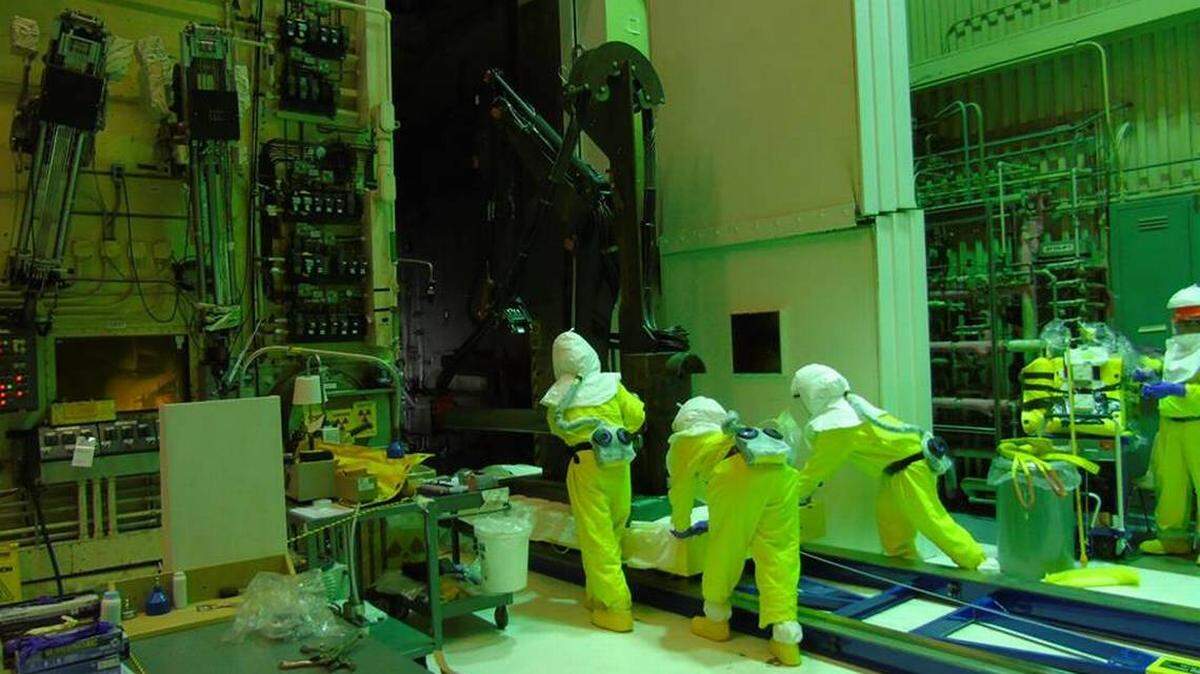
Newhouse worked to increase spending from the administration’s level to $846 million in the version of the fiscal 2020 budget approved by the House.
Murray used her seniority to increase the Richland Operations Office budget to $900 million in the Senate version.
But the final number when both budgets were reconciled was even more at $912 million, or about $47 million more than budgeted for fiscal 2019 and $283 more than the administration request.
The Hanford budget available Thursday does not break out totals for some additional spending, such as money for safeguards and securities, that will be added to the Richland Operations Office total.
The budget matches the community and regulatory spending of fiscal 2019, despite a push from congressional leaders of other states to reduce the money that DOE pays in lieu of taxes to local governments near Hanford.
The payments are intended to make up for having land under government control with no property taxes collected to support local schools, roads and other government services.
Hanford offices cannot share spending
The budget for the Hanford Office of River Protection would be about $1.6 million, which is about $43 million more than current spending and close to what both the House and Senate settled on for fiscal 2020.
The Trump administration had proposed a budget cut to $1.4 million.
The final version of the fiscal 2020 budget focuses on preparing the $17 billion vitrification plant, under construction since 2002, to start treating some of the least radioactive tank waste by the end of 2023. The deadline was set by a federal court.
The language accompanying the bill directed that $12 million be transferred from a now completed project to allow the Richland Operations Office to make improvements in the site’s electrical system to prepare for low activity waste treatment at the vit plant.
Workers finished transferring radioactive sludge from underwater storage at the K West Reactor Basin to dry storage in central Hanford away from the Columbia River, leaving $12 million unused.
Money for construction of the the High Level Waste Facility at the vitrification plant, which is not required to be completed until 2030, was reduced to $25 million from the $60 million in the fiscal 2019 budget in the current budget package.
DOE is looking at options for treating high level radioactive waste as the 2030 deadline is at risk.
The language accompanying the budget prohibits money appropriated for the Richland Operations Office to be used for Office of River Protection work.
The prohibition makes clear that the separation of the two offices stands, despite DOE moving to one Hanford manager, Brian Vance, over both offices.
The language accompanying the final bill also calls for DOE to do maintenance, repair and other public safety work at historical sites, such as B Reactor, to expand public access and understanding.
B Reactor, the world’s first full-scale production reactor, is part of the Manhattan Project National Historical Park and open for tours spring through fall.
This story was originally published December 16, 2019 at 7:02 PM.