
Hiring at Hanford’s massive plant targets nation’s most dangerous radioactive waste
The initial staff has arrived at the Analytical Laboratory, the first of the four major facilities at the Hanford $17 billion vitrification plant to have a Washington state permit to operate.
The inaugural team of eight chemists is setting up shop there as the plant prepares to start treating Hanford’s radioactive waste by the end of 2023.
Bechtel National, which is building and starting up the plant, plans to hire 32 more chemists and laboratory staff over the next 18 months to support work at the plant’s Analytical Laboratory.
The lab is one of four major facilities on the 65-acre vitrification plant campus in the center of the Hanford site.
Construction began on the plant in 2002 under a plan to use it to glassify some of the nation’s most dangerous radioactive and hazardous waste for permanent disposal.
Hanford has 56 million gallons of radioactive and hazardous chemical waste held in underground tanks after producing plutonium for the nation’s nuclear weapons program from World War II through the Cold War.
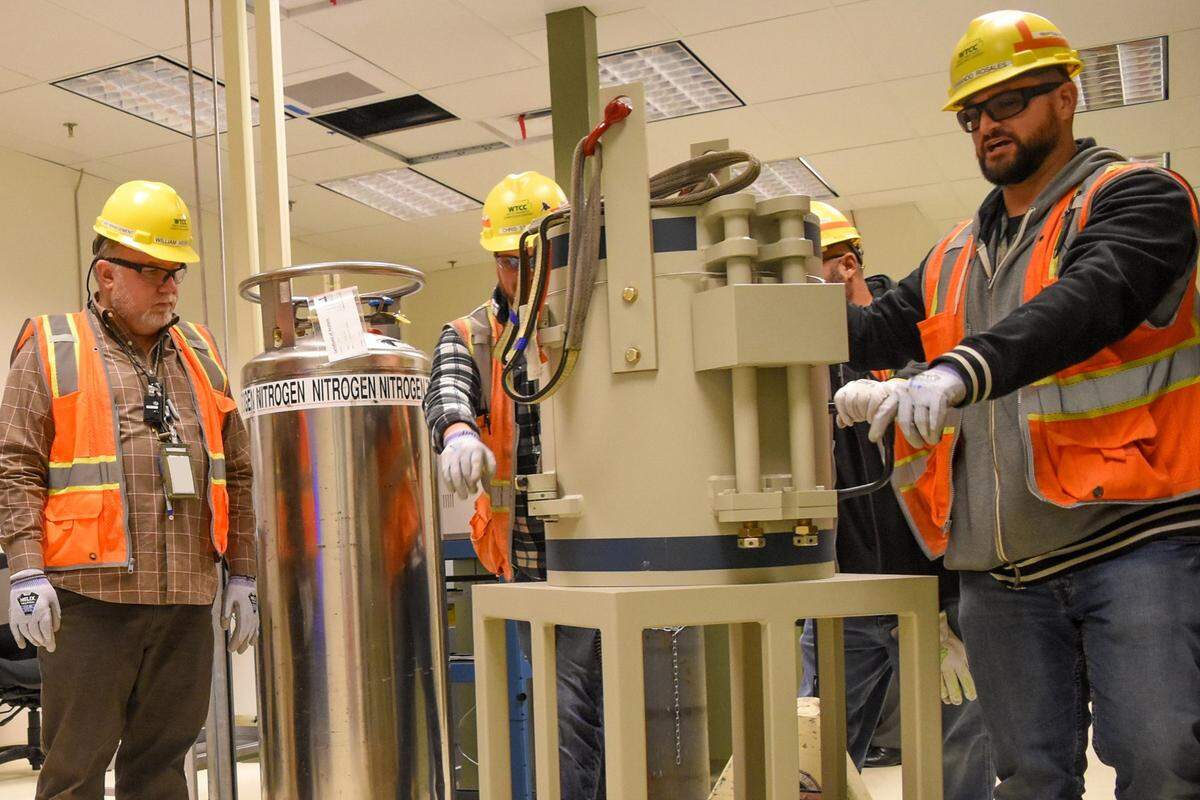
The initial lab staff now at the vitrification plant in the center of Hanford began training in 2018 at a lab set up at Columbia Basin College in Pasco to allow them to start training on equipment that was moved to the Hanford laboratory in recent months.
Lab to analyze Hanford waste, glass
The staff hired for the vit plant lab will work there through startup and commissioning of the lab and could be hired as the plant begins treating tank waste under a contractor yet to be picked.
When the vitrification plant begins treating some of the least radioactive waste in the tanks as required by a federal court deadline of 2023, the lab will be used to analyze about 3,000 waste samples each year.
The Analytical Laboratory is the size of a football field and stands about four stories high.
Chemists and other lab employees will help develop a “recipe” of glass forming materials for each batch of waste and also confirm that a high-quality glass is produced.
“Our Analytical Laboratory is a key component of meeting regulatory requirements for tank waste treatment,” said Tom Fletcher, the Department of Energy project manager for the vitrification plant.
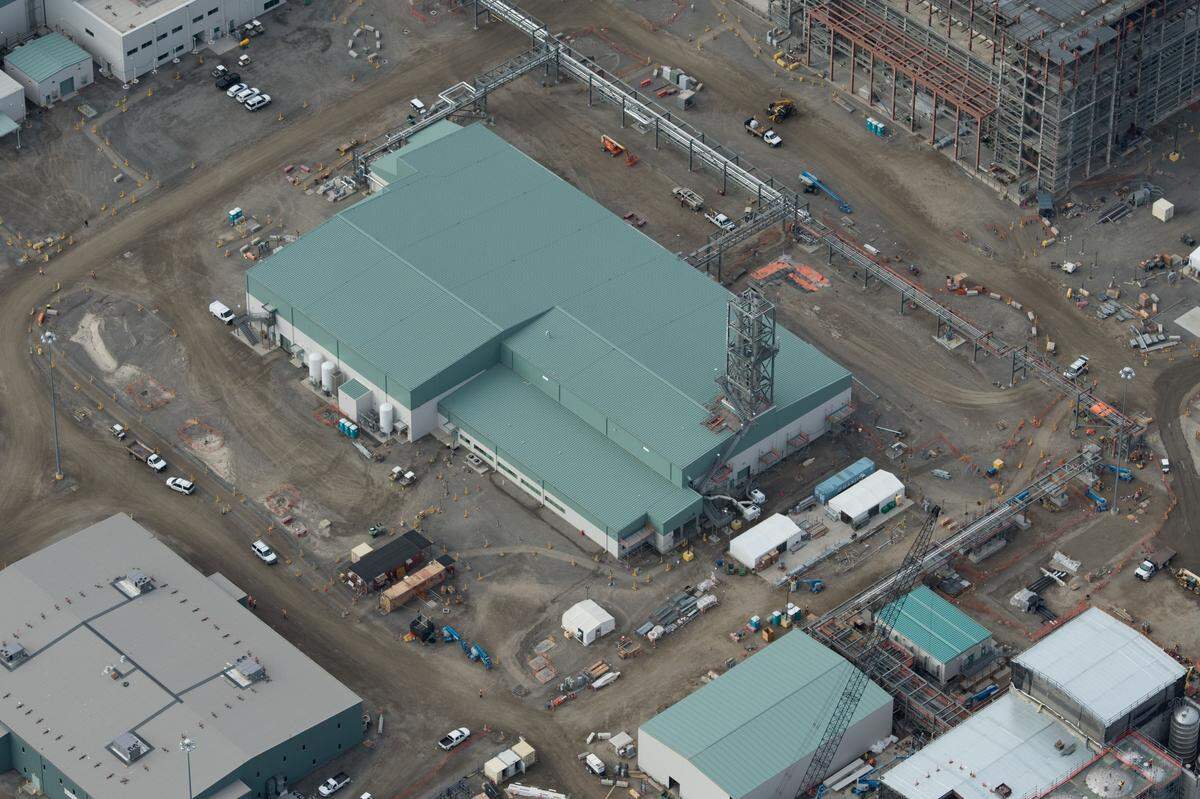
Over the next few years the staff at the lab will be demonstrating that procedures and instruments are ready to support treatment.
They will be setting up scientific instruments, training new staff and developing proficiency. They will eventually support operation of the plant as it initially is operated with a simulated non-radioactive waste before it begins operations to treat radioactive waste.
“The chemists represent another group of permanent positions to support plant commissioning, along with 95 commissioning technicians,” said Valerie McCain, Bechtel project director for the vitrification plant.
The commissioning technicians are working in the control room of one of the other four large facilities at the plant, the Low-Activity Waste Facility. Its melters will be used to turn glass-forming materials and waste into a stable glass form for disposal.
The plant also has a Pretreatment Facility and a High Level Waste Facility, where work has been delayed to resolve technical issues related to high level radioactive waste.
It also has multiple support facilities to provide services, ranging from electrical power distribution to fire suppression water to compressed air. The plant is not required to be fully operating until 2036.