Contaminated cylinders discovered in Richland from a South Carolina nuclear fuel plant
Two contaminated cylinders were trucked across the country from the Westinghouse nuclear fuel factory in South Carolina after plant workers failed to properly examine the containers for signs of excessive radioactivity, according to a federal agency that oversees the site.
Only after the cylinders arrived in Richland, Wash., did workers there discover radiation levels that exceeded federal standards, records show.
The contamination showed up on and near valve covers on the outside of the tanks, according to the U.S. Nuclear Regulatory Commission.
Westinghouse was shipping cylinders emptied of material for nuclear fuel fabrication to Framatome ANP on Horn Rapids Road in Richland for cleaning so they could be reused. Framatome services U.S. nuclear facilities across the country.
The contaminated cylinders, shipped on a flat bed trailer that took two days to reach Washington, didn’t endanger the public, the NRC says.
But the matter was serious enough that the agency issued a violation notice last week. Regulators hit Westinghouse with what is known as a Level 4 violation, which means the misstep doesn’t warrant a fine but is notable, NRC spokesman Roger Hannah said.
The NRC violation notice is the latest in a line of troubles the 50-year-old plant has encountered since 2016, when radioactive material accumulated to potentially unsafe levels inside an air pollution control device.
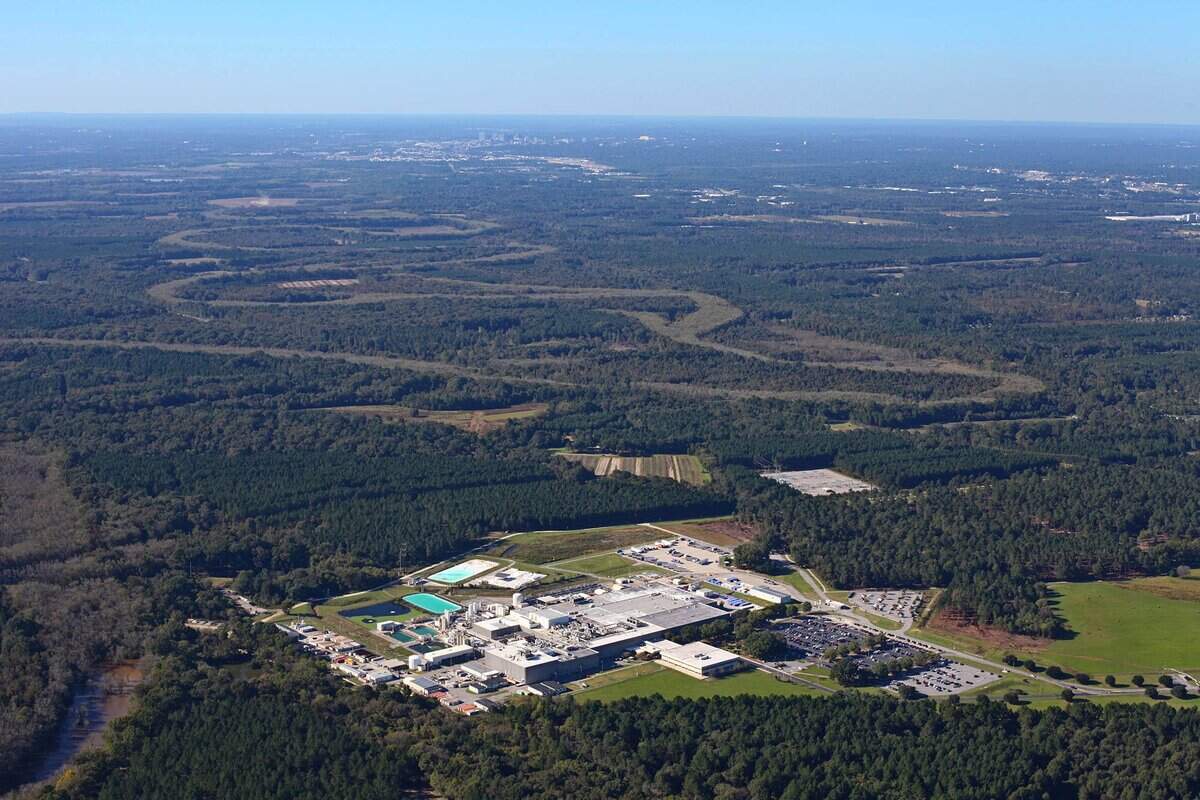
Westinghouse’s Bluff Road facility, which opened in 1969, manufactures fuel rods for use in commercial atomic power reactors across the country. It is one of only three of its kind in the United States.
Company officials say NRC violations are not unique to Westinghouse. But they say they are working systematically to improve the South Carolina plant’s safety culture. The work, however, is taking time, according to Westinghouse.
Containers had contamination
In the most recent case, outlined in a Nov. 22 letter and report from the NRC to Westinghouse, the federal agency said the company failed to make sure containers shipped off site were properly inspected before they were put on the flatbed and trucked to Richland.
The cylinders contained residue from uranium hexafluoride, a material used in the nuclear fuel rod production process. Radioactive contamination on the outside of the containers exceeded that allowed by the U.S. Department of Transportation, the NRC said.
Westinghouse failed to “evaluate the magnitude and extent of radiation levels, concentration and the potential radiological hazards of radiation levels detected,’’ the NRC’s Nov. 22 violation notice said. The notice said NRC inspectors “determined that the violation was more than minor.’’
Westinghouse officials in Columbia concede the factory could have done a more thorough job. They have put measures in place to make sure similar incidents don’t happen again, including a more thorough oversight process, Westinghouse plant manager Mike Annacone said Tuesday.
It’s possible the contamination originated at a plant other than Westinghouse because the cylinders are shared by multiple nuclear facilities to haul material between facilities. But Annacone said that shouldn’t matter.
It was Westinghouse’s responsibility to make sure contamination wasn’t on the cylinders before they were shipped to Washington state, he said.
“When it leaves our site, it has to be OK,’’ Annacone said.
NRC spokesman Roger Hannah said his agency will follow up during upcoming inspections to make sure improvements have been made.
This story was originally published November 29, 2019 at 4:57 PM with the headline "Contaminated cylinders discovered in Richland from a South Carolina nuclear fuel plant."