
Richland firm gets $5 million to protect the river from one of Hanford’s worst risks
Intermech of Richland has been awarded a contract of almost $5.6 million for work at Hanford to help protect the Columbia River from highly radioactive waste.
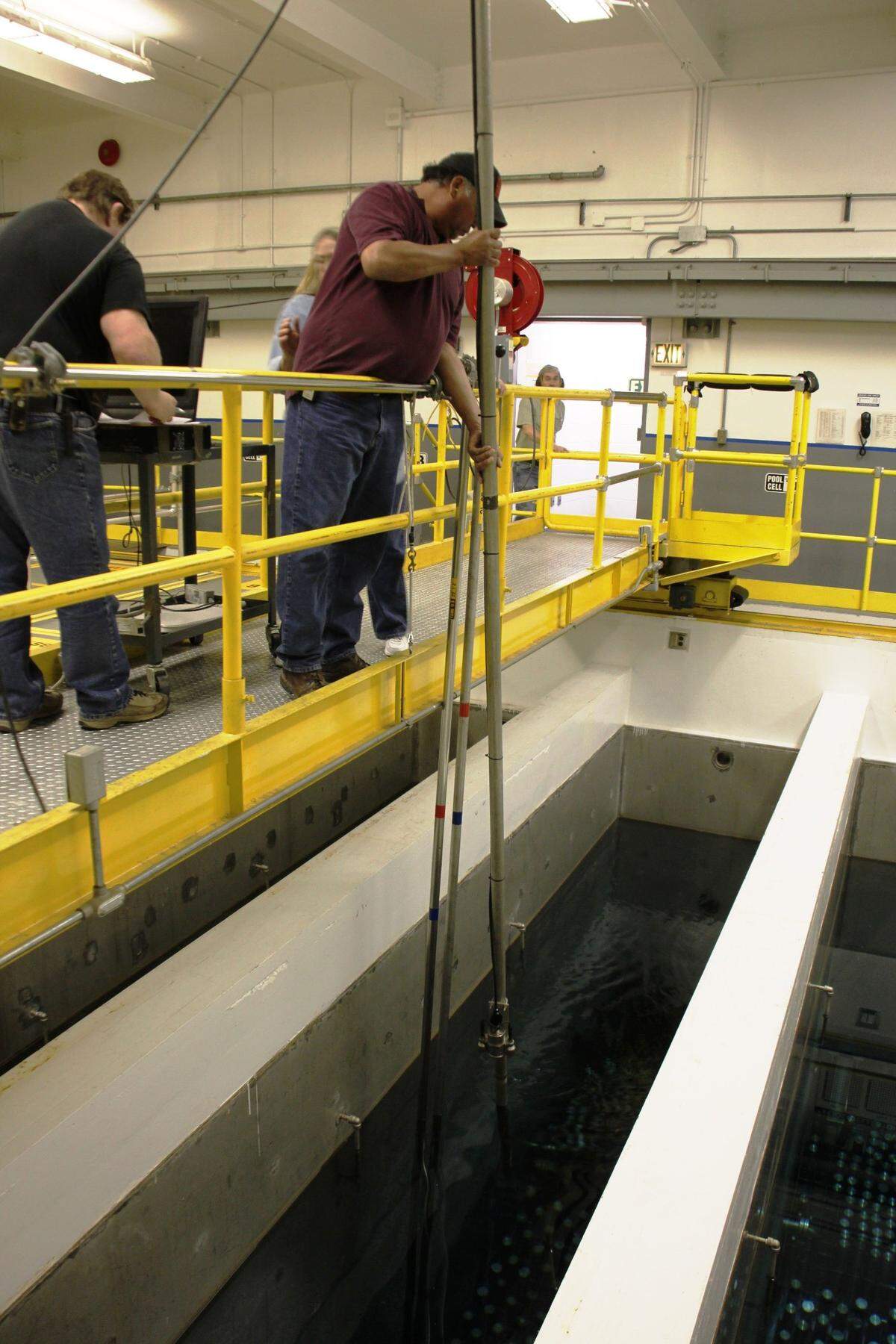
The company will build a storage area for radioactive cesium and strontium capsules now held underwater in a pool at the Hanford Waste Encapsulation and Storage Facility.
Construction is expected to begin in early spring as the Department of Energy works toward a legal deadline under the Tri-Party Agreement to have the 1,936 capsules moved to dry storage by August 2025.
The Oregon Department of Energy raised concerns in 2013 that the concrete walls of the pool have lost structural integrity due to high radiation exposure over four decades.
The next year the Department of Energy Office of Inspector General found that the pool, built in 1973, could be at risk in a severe earthquake.
Now it’s considered the largest risk in the DOE complex for a serious accident, according to DOE.
If cooling is lost and the 22-inch-long capsules break, radiation could make the building too hazardous for workers to enter, according to a 2000 report by former contractor Fluor Hanford that looked at a possible worst-case scenario.
Intermech to build road
The probability of an event that would cause the pool to lose water is low, but would represent a substantial risk to Hanford workers, the general public and the environment, said Tri-City Development Council officials last year in comments urging DOE not to delay getting the capsules to dry storage.
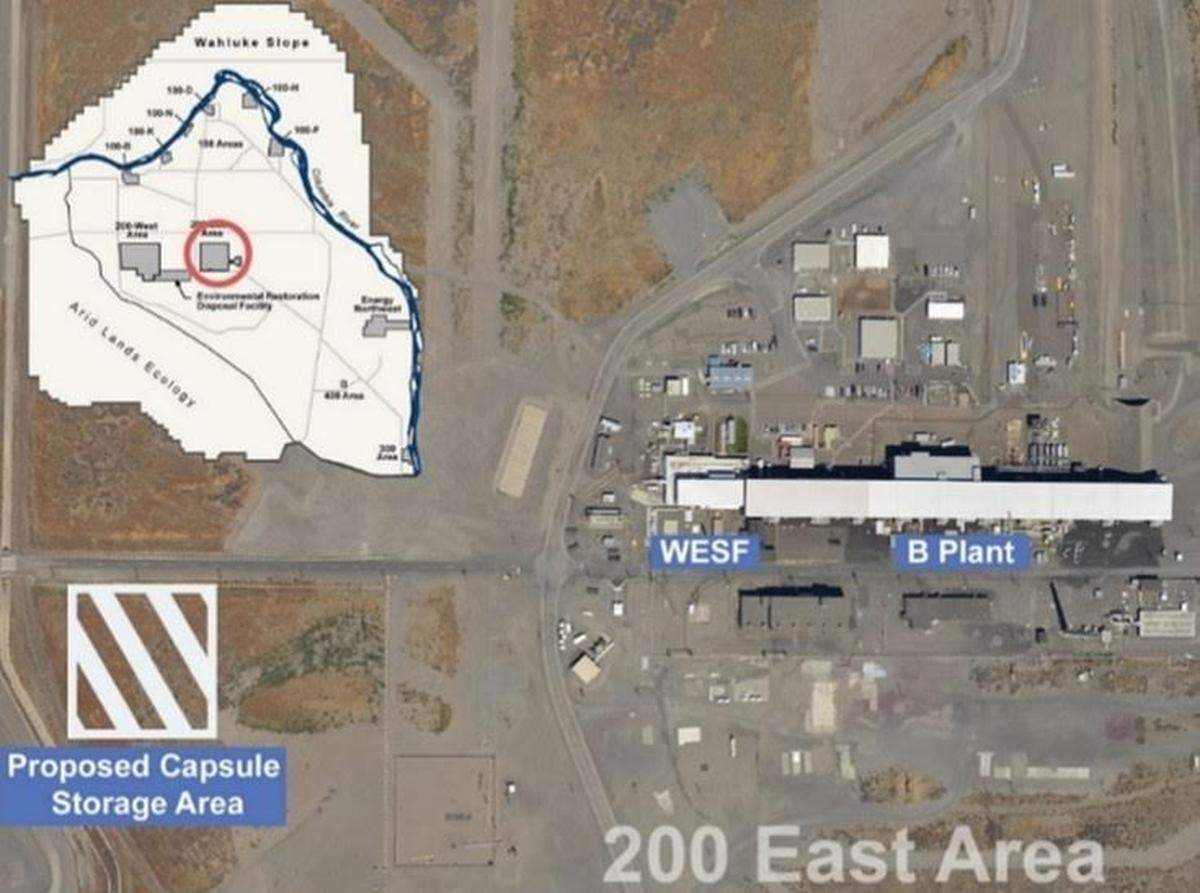
Intermech, which is owned by EMCOR, will build a reinforced concrete storage pad for casks holding the capsules. It will be surrounded by two chain link fences.
The contract also covers utility infrastructure and a heavy haul road to the pad from the nearby Waste Encapsulation and Storage Facility in central Hanford.
Similar systems are used to temporarily store used nuclear fuel at commercial power plants, including at the Columbia Generating Station near Richland.
Building the pad will be among the least complex parts of the project.
The cesium and strontium were removed from Hanford’s waste storage tanks from 1974 to 1985 to alleviate the buildup of heat in the tanks.
The tank waste, which remains highly radioactive, is left from Hanford work to produce nearly two-thirds of the plutonium for the nation’s nuclear weapons program from World War II through the Cold War.
The capsules now are held underwater to provide radiation shielding and cooling.
Capsule storage temporary
In August designs were completed to modify the Waste Encapsulation Storage Facility for removal of the capsules, a huge step toward transferring the cesium and strontium to dry storage, said Gary Pyles, DOE project manager.
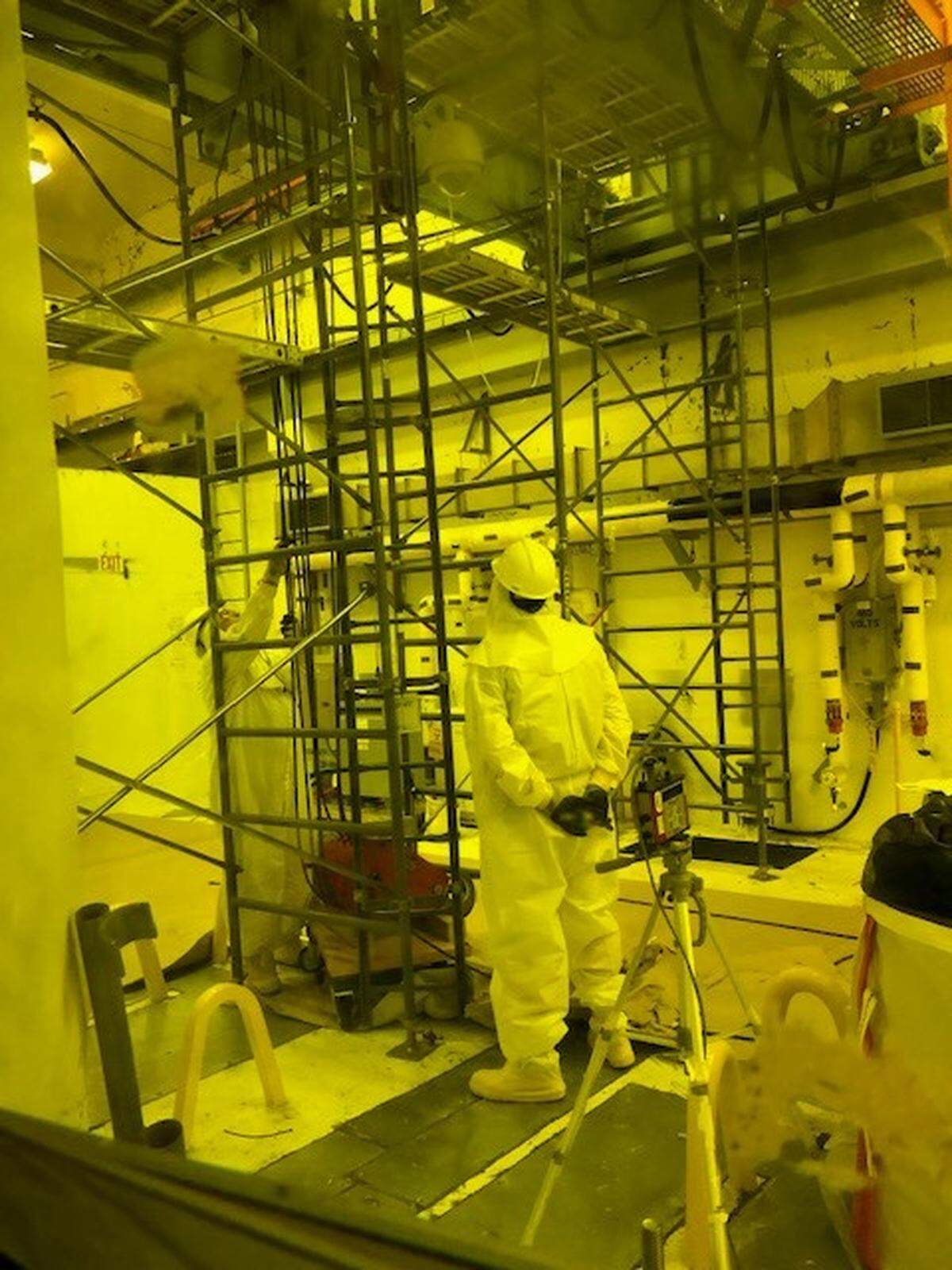
The design includes installing a new ventilation system and equipment to transfer the capsules.
The facility has hot cells that were once used to encapsulate the cesium and strontium form 1974 to 1985. Workers outside the thick-walled cells used remotely operated equipment to perform the work.
One of the hot cells will contain loading and sealing equipment for packaging and sealing capsules into protective, stainless-steel sleeves.
Up to six capsules will be loaded into each sleeve.
Sleeves then will be packed into steel-lined, reinforced concrete casks for storage standing upright on the outdoor pad that Intermech will build. The casks will draw in air, which will not come in contact with the waste, for cooling.
The dry storage is temporary.
No decision has been made on final disposition of the cesium and strontium, but one option is to open the capsules and glassify their radioactive contents for disposal.
Or the capsules could be sent directly to a national repository, once the nation has one for high level radioactive waste.
This story was originally published October 18, 2019 at 12:27 PM.