
Hanford blamed for most of $110 billion bump in federal cleanup costs
A $110 billion increase in the estimated Department of Energy cleanup costs across the nation is being blamed largely on the Hanford nuclear reservation.
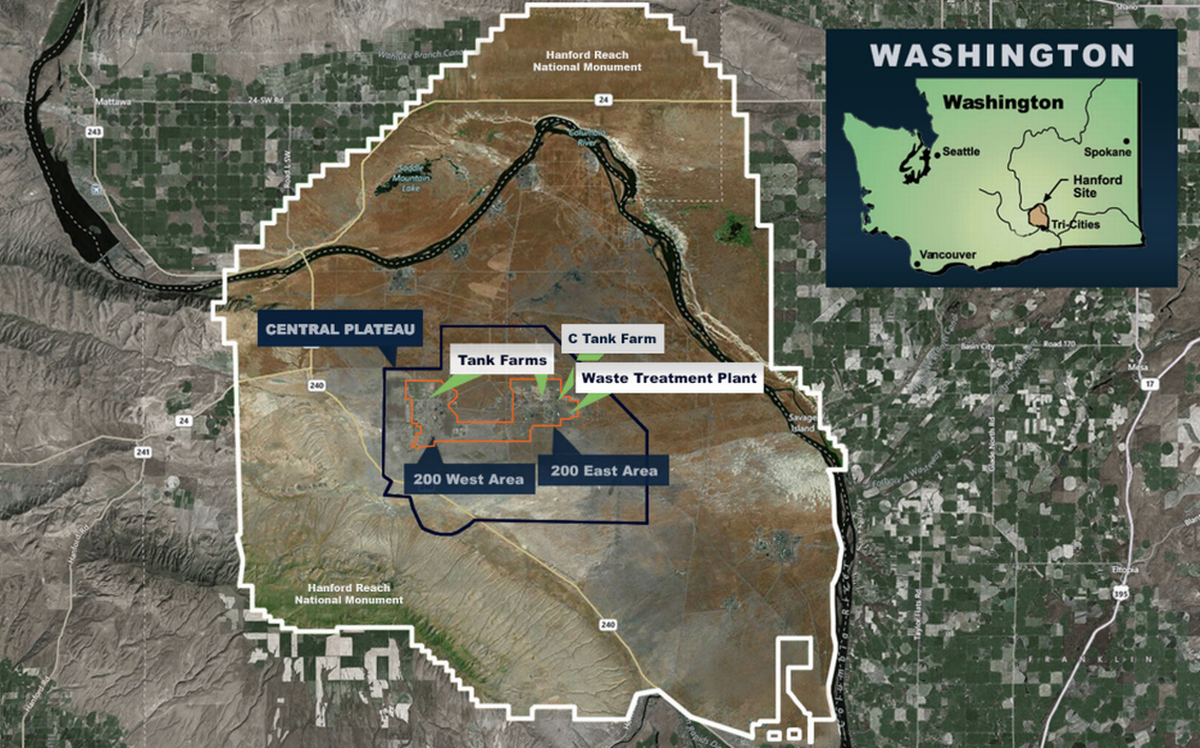
A new DOE estimate increases the cost of remaining environmental cleanup at Hanford by $82 billion, bringing it to $242 billion, according to unaudited information in DOE’s fiscal year 2018 financial report.
“When we see numbers like this it forces us to take a hard look at what we can reasonably expect Congress to appropriate every year, and where that leaves us if we don’t get all the funding that’s required,” said David Reeploeg, Tri-City Development Council vice president for federal programs.
The increase is not surprising, given the challenges and complexity of Hanford cleanup, but “we are concerned by the very large number,” he said.
“We’re not sure what appetite the administration and Congress will have to fund Hanford at the necessary levels for decades to come,” he said.
The issue is Hanford’s underground tanks holding 56 million gallons of radioactive waste.
New estimates refine the costs of retrieving waste from the tanks, closing or otherwise disposing of the tanks, completing construction of the $17 billion vitrification plant and then decades of plant operations to turn much of the tank waste into a stable glass form for disposal.
Cleanup and maintenance work is being done this year at Hanford with $2.5 billion from the federal budget.
Delays at the vitrification plant
The 580-square-mile site is contaminated after producing about two-thirds of the nation’s plutonium for its nuclear weapons program from World War II through the Cold War.
Specific cost increases for Hanford projects were not broken out either by the DOE financial report or a Government Accountability Office report released Tuesday on growing cleanup liabilities for sites like Hanford under DOE’s Office of Environmental Management.
But one certain driver of the increased costs are schedule changes at the Hanford vitrification plant.
The start of operations for the plant has been repeatedly delayed since Bechtel National began construction on it in 2002. Shortly after construction began the plant was expected to be ready to operate in 2011.
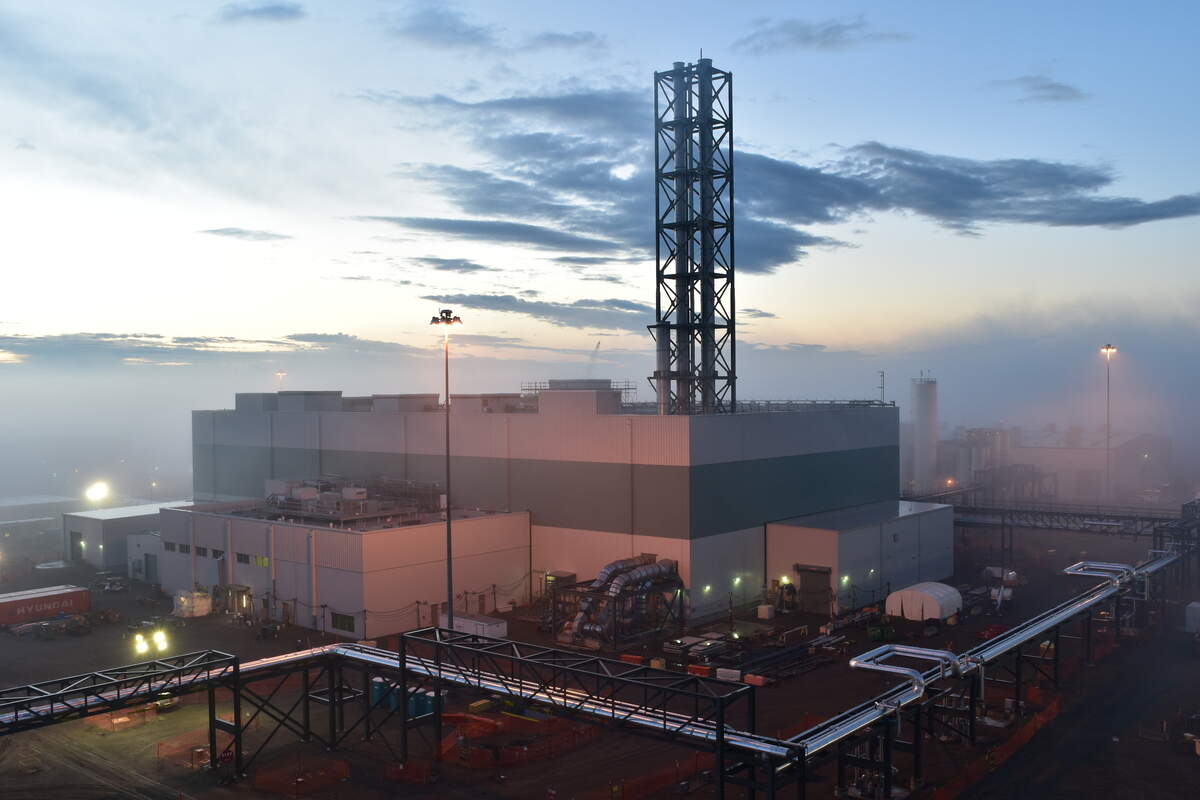
Most recently technical issues in parts of the $17 billion plant that will handle high level radioactive waste have led to a change in its operating plan.
Now DOE plans to start treating only low-activity radioactive waste initially, with a start date of 2023 mandated by the federal court under a revised consent decree. The plant is not required to be fully operational until 2036.
It was not designed to treat all 56 million gallons of tank waste, turning them into a stable glass form for disposal. Despite an estimated 40 years of operations projected, it still might need to be expanded or other ways found to treat some of the tank waste.
DOE cleanup costs estimated at $494B
The Department of Energy audited financial report for the fiscal year 2018 says DOE’s remaining costs for cleanup have increased from $384 billion estimated in fiscal 2017 to $494 billion in fiscal 2018.
The GAO report puts the remaining cleanup cost for Hanford and 15 other sites under the DOE Office of Environmental Management at $377 billion of that, with $170 billion spent since the office began cleanup in 1989.
The DOE office’s financial liabilities increased by nearly $130 billion from fiscal year 2014 to 2018 at the Hanford site, according to the GAO report.
The estimate for the waste treatment project costs are expected to continue to change, according to the financial report.
In the Tri-Cities area there is some support for looking at options that could decrease Hanford cleanup costs, while still providing an effective cleanup.
“We firmly believe the site must be remediated by the federal government, which is why we are supportive of efforts to find other options, such as changing the definition of high level waste,” Reeploeg said.
Bob Thompson, the Richland mayor and chairman of Hanford Communities, a coalition of Hanford-area local governments, said that the group’s awareness of the escalation of cleanup costs factored into its support for changing the definition of high level waste, as proposed by DOE.
“Our state and the DOE need to explore opportunities for faster, less costly cleanup options that will be protective of our workers and the environment,” he said.
Tri-City groups, state officials disagree
DOE has proposed changing its interpretation of the definition of high level radioactive waste to give it more flexibility to deal with a portion of the waste. Now Hanford’s waste in underground tanks is considered high level waste because of how it was created — from the chemical processing of irradiated uranium fuel to remove its plutonium.
DOE has argued that not all waste designated as “high level” is equal and it should have some flexibility in how it deals with it.
Managing high level waste based on its characteristics rather than its origin could save billions of dollars across the DOE cleanup complex, TRIDEC said in comments submitted to DOE.
Hanford Communities said it is interested in allowing some of the tank waste to be encased in concrete-like grout and shipped to a Texas repository for disposal rather that glassifying it all at the vitrification plant.
An estimate in a GAO report released in May 2017 said the proposal to grout some waste, called the Test Bed Initiative, could cost up to $16.5 billion less than expanding the vitrification plant to treat all of the tank waste.
But Washington state officials oppose DOE’s proposal to let it reconsider what is considered high level waste.
“There is only one reason to reclassify Hanford’s high level waste, and that is to clear the way for cheaper, less protective waste treatment,” said Maia Bellon, director of the Washington state Department of Ecology, earlier this month. “That is not acceptable.”
Now Hanford has strong budget support from a Washington state Congressional delegation that holds key committee positions important to Hanford cleanup.
There also remain DOE cleanup sites across the nation, broadening Congressional support for cleanup spending, Reeploeg pointed out.
But Hanford cleanup likely will take the longest to complete, and Congressional interest could wain as more states no longer have a contaminated site.
If Hanford can’t get all the funding that’s required from Congress “our options are to prolong cleanup efforts by decades at even greater cost or look at effective ways to get the site cleaned up less expensively,” Reeploeg said.
This story was originally published January 29, 2019 at 9:57 AM.