How Tri-City students are using AI to solve real-world problems
AI-generated summary reviewed by our newsroom.
- Orion High students used AI to research Pasco Municipal Code for engineer projects.
- Amentum funded the Orion’s effort with a $1,000 grant.
- Kennewick received $100,000 from Microsoft; Battelle gave $11,300 to Richland schools.
“Just a stick in the ground” is how John Weisenfeld described the primitive bus stop at the corner of Salt Lake Street and Wehe Avenue.
But at least it served as a bit of inspiration.
The Orion High School physics teacher saw the nearby stop — sans any bench, proper curb or a weather shelter — as an example of the type of project he wanted his freshmen students to tackle in their nine-week civil engineering project.
“Come up with a civic problem and write a proposal that you’re gonna sell to the city engineers,” he instructed his students.
What they came back with was overwhelming: Inclusive playgrounds, new bus stops with solar-powered lighting, water projects, intersection improvements and even community gardens.
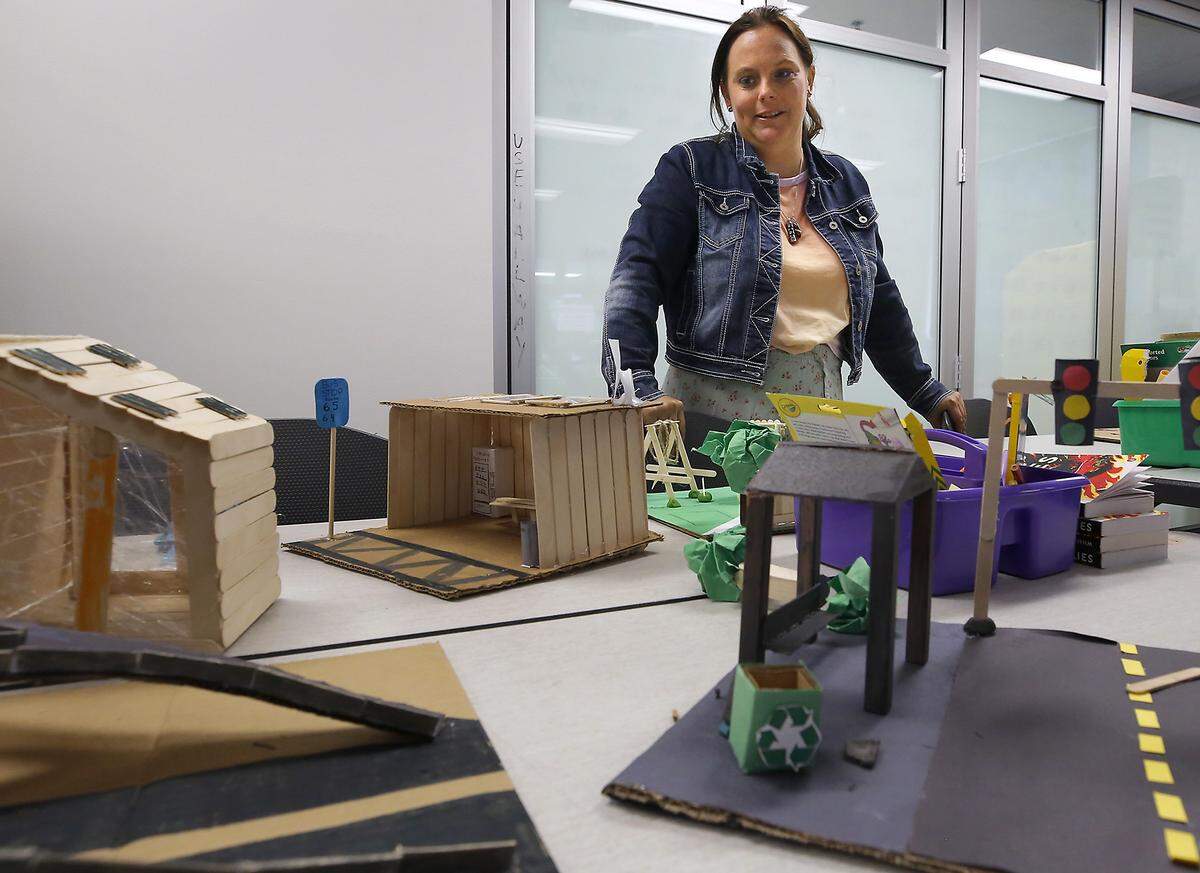
Small replicas made of popsicle sticks and cardboard were budgeted, built and designed to comply with city standards. At the center of that research was an artificial intelligence chatbot that referenced and interpreted Pasco Municipal Code, funded by a $1,000 grant from Hanford nuclear site contractor Amentum.
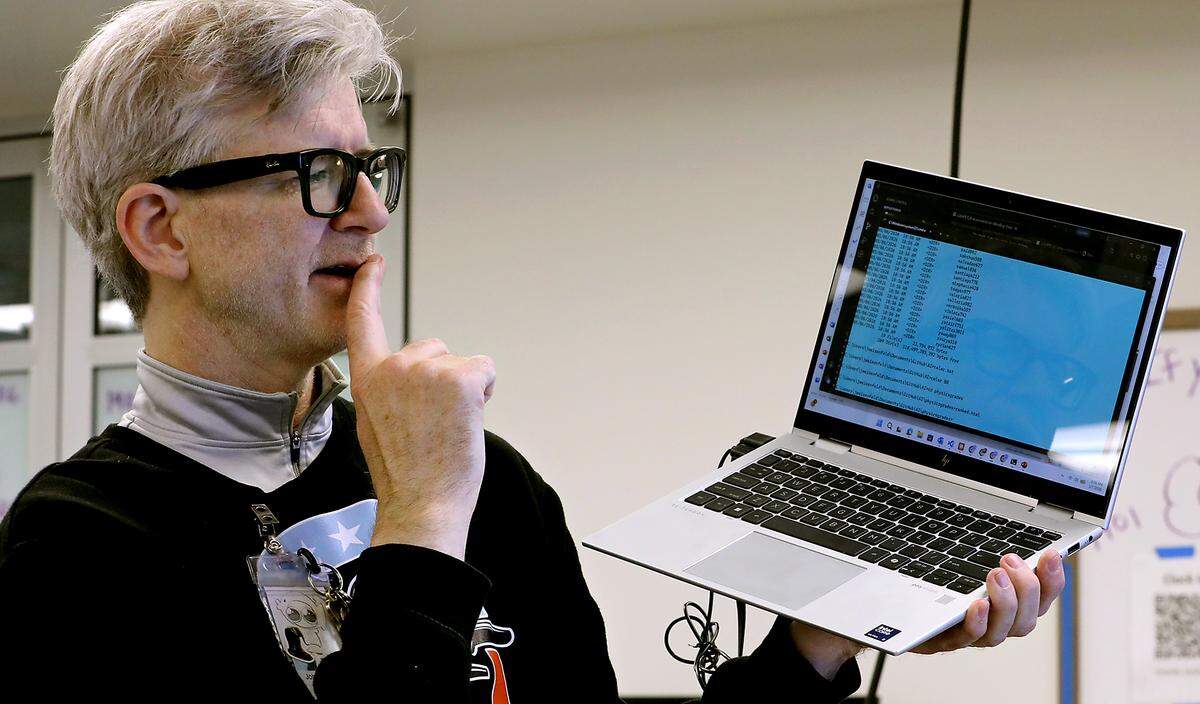
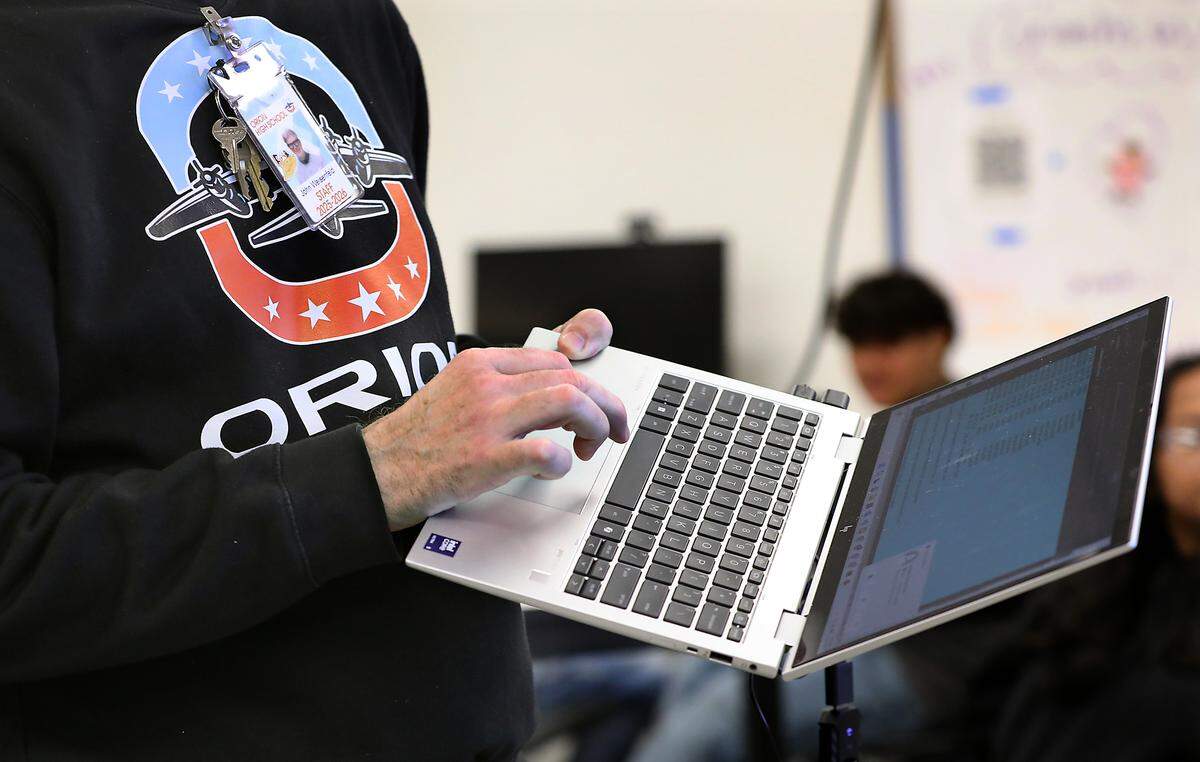
Weisenfeld built the bot, and said it’s about giving students safe access to the “latest and greatest” technologies that help support learning and give students the ability to deep dive into real-world problems.
“That’s what I think education is: Giving them opportunities to see things in a different way or to try things out,” he said. “It’s a pretty steep on-ramp for freshmen. Four years from now, the world could be very different.”
As industries and workplaces continue to adopt and refine their use of AI, Washington’s public schools are embracing the tech to assist learning and empower students — a change of heart from the skepticism that fueled bans and restrictions when AI chatbots first emerged in commercial use three years ago.
Core curriculum and instruction are not being replaced with AI, but rather enhanced in some circumstances by it. Orion’s engineering project is just one example of how students and teachers are taking a 21st century approach to semester-long projects.
Teacher adoption of AI-powered tools in the classroom is on the rise across the U.S., according to a survey conducted last year by Education Week. In July 2025, about 61% of teachers said they used the technology to varying degrees, an increase from 33% reported in late 2023.
Before he began teaching in 2011, Weisenfeld spent a decade as a software test engineer with Microsoft, working on Windows Live Messenger and on apps in the Office suite.
He’s what some AI experts might deem a “superuser.” Weisenfeld’s been a big supporter of schools embracing and testing the technology to see how they can better education in the Tri-Cities, and he’s experimented with other similar bots.
Money is also flowing into Tri-City schools to help support the adoption, implementation and research of AI.
Earlier this year, Kennewick was named one of 10 Washington school districts to receive $100,000 in AI supports and consultation from Microsoft. The effort aims to study ways to use the technology in the district, and empower both students and staff.
“Jealous — a little bit,” Weisenfeld said in response to the news in Kennewick.
And an $11,300 grant from Battelle announced last week will help Richland school communities collaborate on a shared guidance for use of AI tools in classrooms, with a focus on student safety and workforce preparation.
AI helps freshman engineers
Pasco School District’s career and college academy opened in the fall as an innovative school to teach students about career pathways as they earn their high school diploma.
Orion offers focal programs in engineering, health sciences and advanced manufacturing, and gives students the opportunity to earn industry certifications and college credits. One wall in Orion was plastered with certificates of students who had earned Microsoft Office certificates.
The school serves just 140 freshmen this year, but will add classes over the next few years.
Rebecca Riley, an English teacher at Orion High School who also led the civil engineer project, said students’ projects were showcased and scrutinized by Pasco city engineers and members of WSU Tri-Cities’ engineering program.
“They were really impressed with the quality of work, and how some of the students actually knew the codes for the city,” Riley said. “Honestly, the biggest takeaway I saw from it was students’ ability to work in groups of people that they didn’t know originally, and overcoming the challenges of how you work with people you wouldn’t normally pick to be on your teams.”
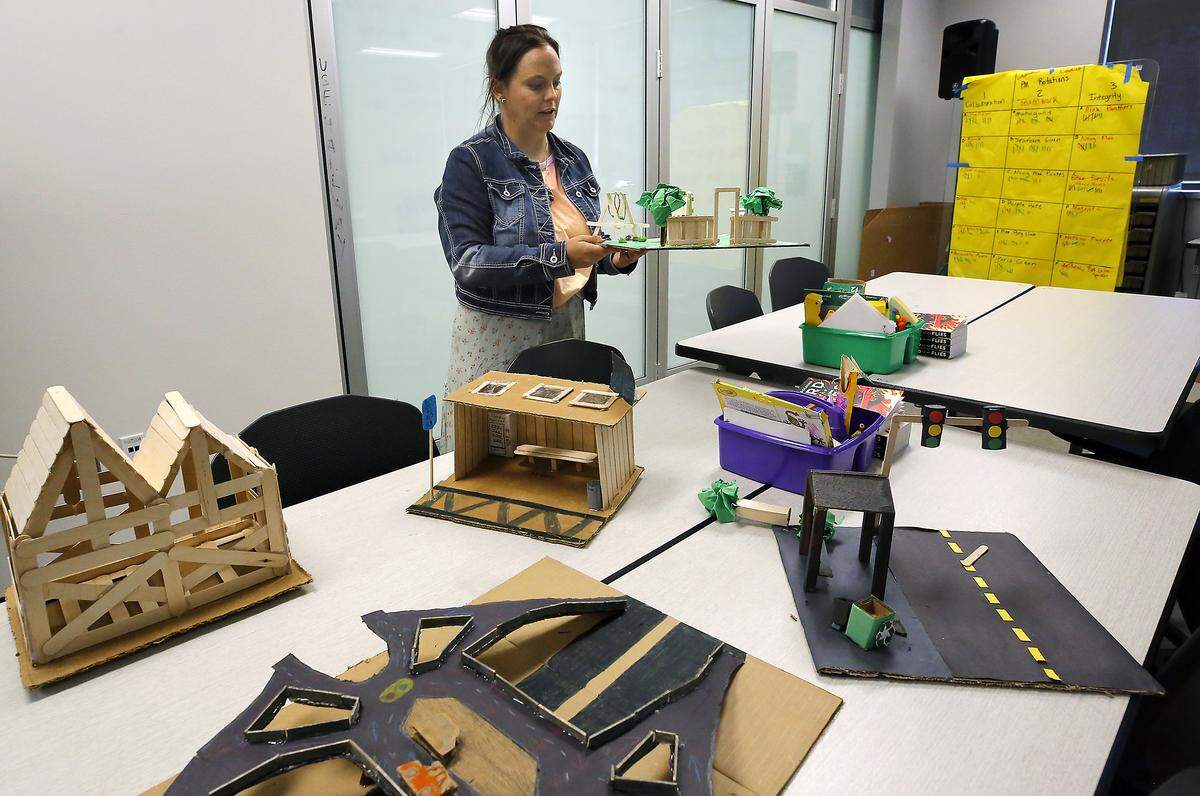
Freshman Stephanie Lopez’s project created intersection improvements for streets that intersect with Highway 395. She wants to see flashing stop lights, more warnings and slower speeds on the deadly section of roadway north of Pasco.
She lives near the highway and has noticed a “bunch of car crashes,” specifically at the Vineyard Drive and Crestloch Road intersections. Her brother’s car was totaled a few years ago when another driver turned on the highway.
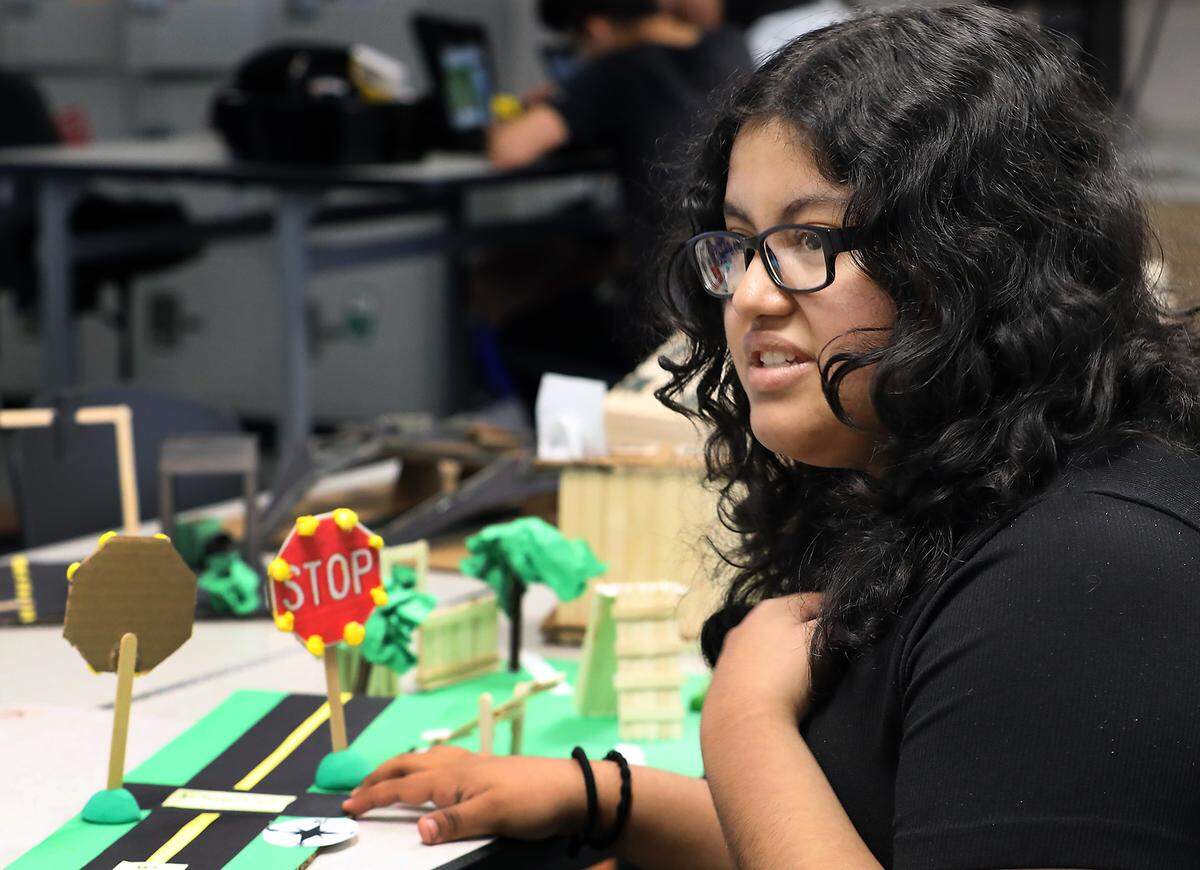
“When I heard about it, I was surprised, but at the same time I wasn’t because it’s a really risky highway,” she said. “It’s life and death on the road, especially one as dangerous as Highway 395.”
People tend to disregard the stop signs in favor of dueling yield signs. Lopez, who has her driver’s permit, believes the stop signs needs to catch people’s attention so they don’t disregard them.
Sections of the highway speed was lowered recently, from 70 mph to 65. Lopez says that’s a start, but it doesn’t go far enough.
“It isn’t as enforced as much as it should be because I still see cars driving at 70, people passing me even though I’m going 65,” she said.