Back-to-back levy failures threaten a 70-year Eastern WA school tradition
.JPG "Camp Wooten is the largest environmental learning center in Eastern Washington.")
AI-generated summary reviewed by our newsroom.
- District must find $20,000 more to fund Camp Wooten this year.
- $1.5M cut this year; $1.35M in possible 2026‑27 cuts identified after levy loss.
- Ki‑Be will solicit private partnership and plans to run a levy measure later this year.
For decades, Kiona-Benton City Middle School students have learned about the wonders of the outdoors and wilderness survival through a weeklong stay at Camp Wooten in Pomeroy.
But 6th grade students are at risk of losing that summertime rite of passage after last year’s double levy failure by voters in the Kiona-Benton City School District, which forced the district to go without local funding this calendar year.
The district already cut $1.5 million from its budget this school year, including cutting eight positions.
It’s identified another $1.35 million in reductions for the 2026-27 school year that could mean steep impacts to sports and personnel.
And while Camp Wooten campers will still attend this year, administrators must find the final $20,000 needed to pay for the program. The Ki-Be School Board on Monday night gave the OK to solicit private donors in an effort to “save Camp Wooten.”
“It is quite the experience and one of my favorite memories, quite frankly,” said board Chair Gina Warner. “It’s the only thing I remember about 6th grade.”
Superintendent Pete Peterson later told the Tri-City Herald he will have more information next week about how the community can get involved in the effort. The district must navigate state fundraising laws, and is figuring out the logistics of how to execute a plan. He believes it’s been a Ki-Be tradition for about seven decades.
But he stressed that this is only a short-term fix and that the district will need to find sustainable revenue sources to pay for the camp trip in the future.
Before the levy, it was paid for by a state grant for outdoor education that’s since been defunded. Prior to that, students would fundraise to attend the camp.
.JPG "SHi_j0071(28).JPG")
“For quite a few of our kids, this will be their first camping trip,” said Peterson, who grew up in Connell and has memories of he and his sisters attending the camp. “It’s a lifelong memory that kids will carry with them.”
Ki-Be spends about $30,000 a year for 100 middle school students to attend. Most of that cost is for transportation to and from the camp, which requires buses and wages for drivers.
Shortfall for the camp program demonstrates the broader financial struggles small school districts are contending with. Many who have seen their local levies expire or costs jump wildly have had to cut back on enrichment activities.
Proposals made public over the weekend by state House and Senate Democrats include brutal reductions to K-12 school programs that rural communities rely on, too.
Peterson said the Legislature is considering lowering state levy match dollars used to supplement property-poor districts, as well as reducing funding for the Transition to Kindergarten preparatory program.
The Ki-Be superintendent feels small districts are “under attack” from state leaders who wish to further reduce their resources while claiming they’re not as efficient as larger, more urban districts.
“I think some of the rhetoric that is coming out of the (Washington Superintendent Chris Reykdal’s) office in Olympia, when he is talking about salaries of very small districts, that’s an attack on very small districts,” Peterson said.
Ki-Be to pursue levy later this year
Ki-Be school leaders chose not to run a levy renewal on the Feb. 10 special election ballot because it would have been too quick a turnaround to educate voters and stakeholders.
Leaders aren’t considering an April special election, either, because it would likely cost the district $100,000 to put it on the ballot.
Since they can’t collect any local tax money this year, Peterson said they can wait to ask voters to reconsider later this year. If voters approve it, they can begin tax collections in 2027.
Ki-Be’s local levy made up about 7% of the $24 million in revenues it collected during the 2024-25 school year.
This school year, after heavy cuts, it made up just 4%. State levy matching money would have contributed more than $1 million over the next two years to Ki-Be schools had its levy passed last year.
At this week’s school board meeting, Peterson detailed about $1.35 million in possible reductions that could take place before fall. That includes $800,000 in employee reductions and a $310,000 hit to athletics and sports, though the specifics are not yet available.
.JPG "IMG_ki-Be_8_1_I8CTA3DU_L357239193 (1).JPG")
Voters last year rejected two identical tax offers put forth by Ki-Be School District. By law, school districts can only go out to voters two times in a calendar year to request levy funding.
In February 2025, the district’s two-year, $4.9 million request failed by 51 votes. Then, last November it failed again but by 35 votes. They would have taxed voters at a rate of about $1.50 per $1,000 of assessed property value.
The district wanted to keep it at around that rate to ensure they could qualify for the state’s full levy match. But the former school board chair, after the November failure, suggested that they should consider lowering the rate below $1.50.
About 5,000 registered voters live in the rural Benton County school district. It serves about 1,400 students.
Peterson said they’re going to remain consistent at around their traditional $1.50 ask. He says they plan to host some community meetings with the school board and public, and will be making the rounds at local organizations to better communicate the impact of a levy loss.
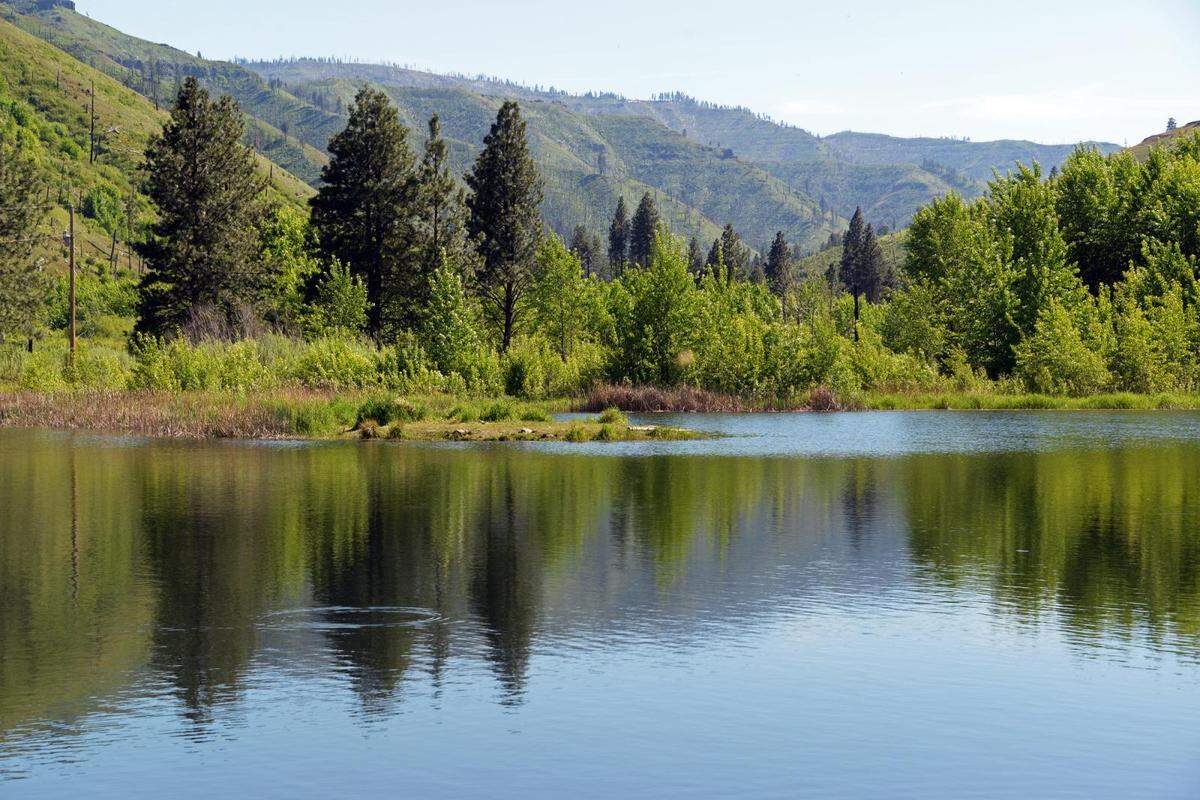
7 decades at Camp Wooten
Located in the center of Washington’s Blue Mountain range, Camp Wooten was originally built as a Civilian Conservation Corps site named Camp Tucannon, near its namesake river.
It was established in 1949 and is operated by Washington State Parks. Camp Wooten is also the largest environmental learning center in Eastern Washington — accommodating up to 240 guests — and lies within the 17,000-acre W.T. Wooten Wildlife Area.
The camp’s amenities include a mess hall, cabins, recreation space, kitchen, an indoor swimming pool, an archery range and spaces for basketball, tennis, softball and canoing.
Peterson said Ki-Be is one of just a few public school districts that still use the space for no charge to students. Many others have abandoned their summer programs because of increased prices and insurance rates.
Ki-Be students stay from Monday to Friday in June. They get to experience an outdoor education, and learn about nature and the environment from rangers and guest speakers.
This story was originally published February 25, 2026 at 12:30 PM.