
Reddish ‘blood moon’ lunar eclipse. Special way to watch in Tri-Cities
AI-generated summary reviewed by our newsroom.
- Total lunar eclipse March 3 peaks in the early morning hours
- CBC Pasco viewing via 16-inch Meade telescope. Tickets required
- Visible from Tri-Cities backyards, no eye protection needed
The Earth will pass between the sun and the moon early Tuesday, March 3, casting a shadow across the surface of the moon.
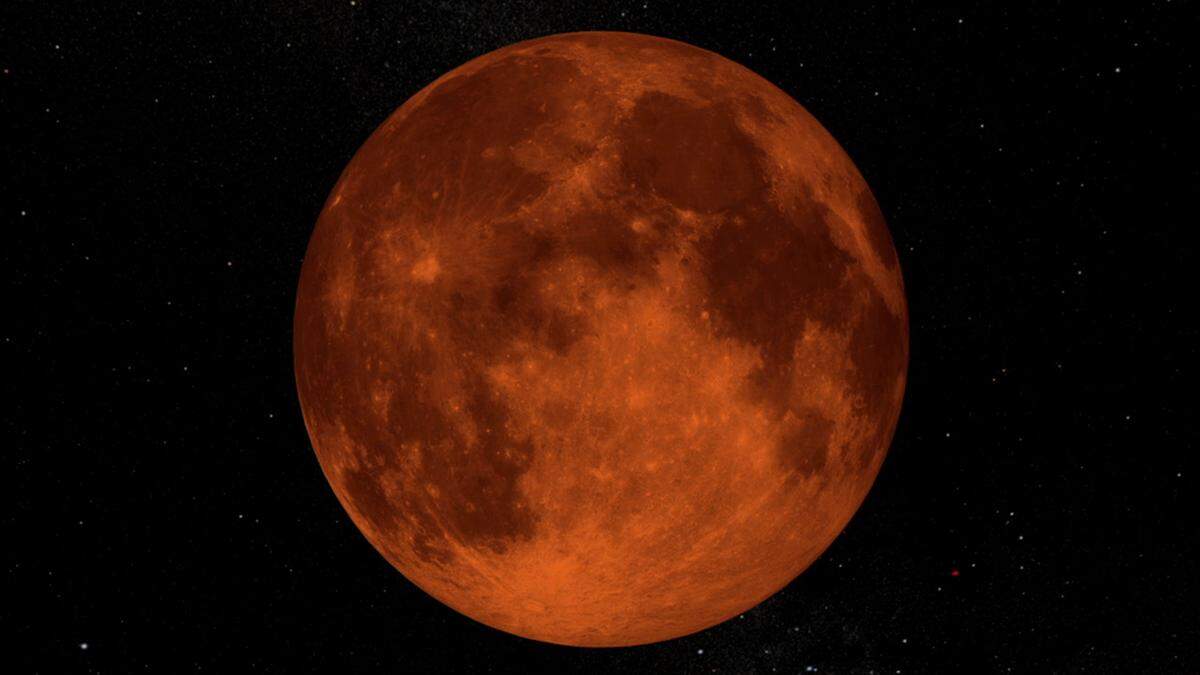
The light filtered through the Earth’s atmosphere will paint the moon a dark orange or red color during the total lunar eclipse.
The partial eclipse will start about 1:50 a.m.
The total eclipse begins at 3:04 a.m., reaching its peak at 3:33 a.m. and ending at 4:02 a.m. The partial eclipse will follow until 5:17 a.m.
People in the Tri-Cities who are awake can step into their backyard, or drive to a nearby place that is a little darker, to see it, weather permitting. No eye protection is needed.
Or they can see it through the telescope at the Robert and Elisabeth Moore Observatory on the Columbia Basin College Pasco campus at a ticketed event.
The observatory was closed to the public during the COVID pandemic and, nearly six years later, resumed having occasional public viewings in October.
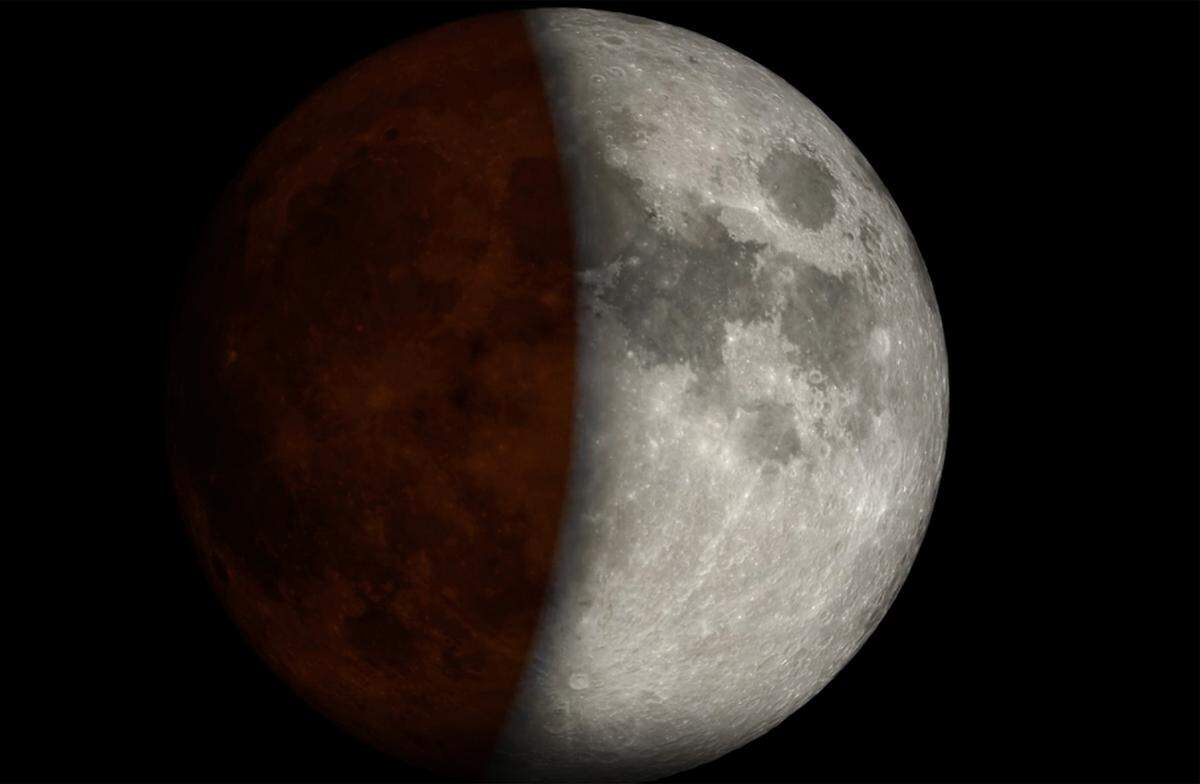
The same phenomenon that makes the sky blue and sunsets red causes the “blood moon” of a total lunar eclipse, according to the National Aeronautics and Space Administration.
Although sunlight appears white, it actually contains a rainbow of different colors of light with different physical properties, according to NASA.
Blue light scatters as it passes through Earth’s atmosphere, but reddish light travels more directly through the air.
“During a lunar eclipse, the Moon appears red or orange because any sunlight that’s not blocked by our planet is filtered through a thick slice of Earth’s atmosphere on its way to the lunar surface,” according to NASA. “It’s as if all the world’s sunrises and sunsets are projected onto the Moon.”
CBC observatory
Moore Observatory on CBC’s Pasco campus, will be open March 3 from 2 to 5 a.m. for the lunar eclipse.
Through the 16-inch Meade telescope, viewers of the eclipse will be able to see up close the shadow across the moon and the moon’s mountain ranges and craters.
Additional telescopes will be available.
Tickets for the observatory event are sold online at the same site used for CBC’s planetarium events, tix.com/ticket-sales/CBCPlanetarium/4311.
Costs for the observatory event range from $3.25 for children ages 6-12 to $6.25 for adults, which includes a service fee. Discounts are offered for military, first responders, seniors, and CBC employees. There is no cost for CBC students.
To find the observatory from Argent Road, turn onto the farm road and follow the baseball field. Then turn right on the gravel road to the baseball field and follow it to the parking area next to Moore Observatory.
Warm clothes are recommended.
Prisco Blanco, the director of CBC’s Moore Observatory and CPCCo Planetarium, said that the early forecast for March 3 calls for clearing skies at the time of the eclipse.
He’ll be at the observatory, regardless of the weather, for people who want to visit. In some cases of bad weather, refunds or tickets for another night have been offered.
In recent years the observatory continued to be used by CBC astronomy students, who learned about telescopes and did lab projects there.
Now the observatory also is holding public tours in the spring, stopping as days get longer, and again in the fall before the weather gets cold.
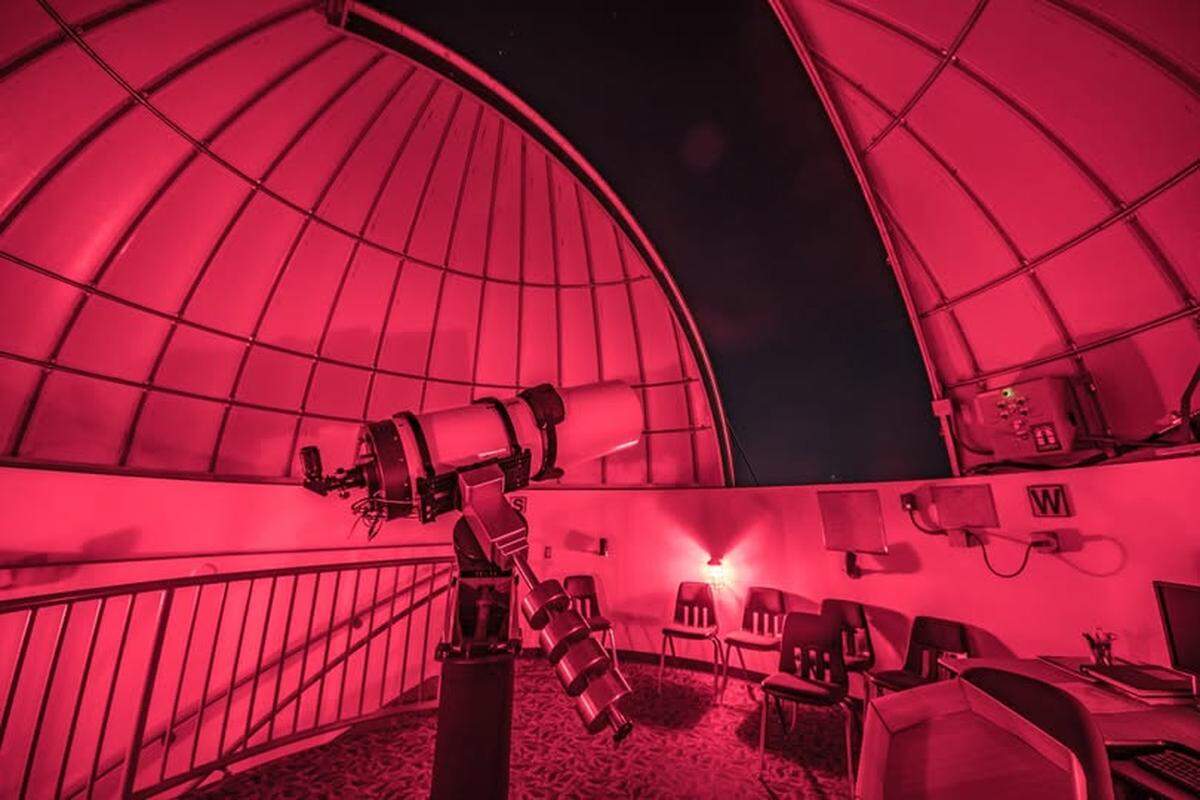
Participants in those 45-minute events get a chance to see the night sky through the Meade telescope, including planets and deep space objects, and hear a discussion of what is observed, weather permitting.
Tickets are sold online for select Friday nights at 8:15 p.m., with additional tours on some Saturday nights at 8:15 p.m.
Some participants also choose to see a planetarium program before the observatory tour, with separate tickets required for the planetarium and observatory.
Lunar eclipse information
If you want to stay home or a spot that’s away from dark lights to watch the lunar eclipse, binoculars or a telescope can help you to see more detail.
If the weather does not cooperate in the Tri-Cities for a good view of the total lunar eclipse on March 3, you could still see a partial eclipse, which will be close to total at 96%, on Aug. 28.
The next total lunar eclipse that will be fully visible from North America will be June 26, 2029.
The Goldendale Observatory at the Goldendale Observatory State Park in central Washington also plans a March 3 eclipse viewing event from 1 to 6 a.m. No reservations are required.
Multiple telescopes will be available to see the eclipse and other space objects, and visitors can also bring their own observing equipment and lawn chairs.
The observatory is at 1602 Observatory Drive, Goldendale. A Discover Pass is required for parking and can be purchased onsite.
This story was originally published February 25, 2026 at 6:15 AM.