WSU Tri-Cities research caught in crossfire of Trump education cuts. Is financial aid next?
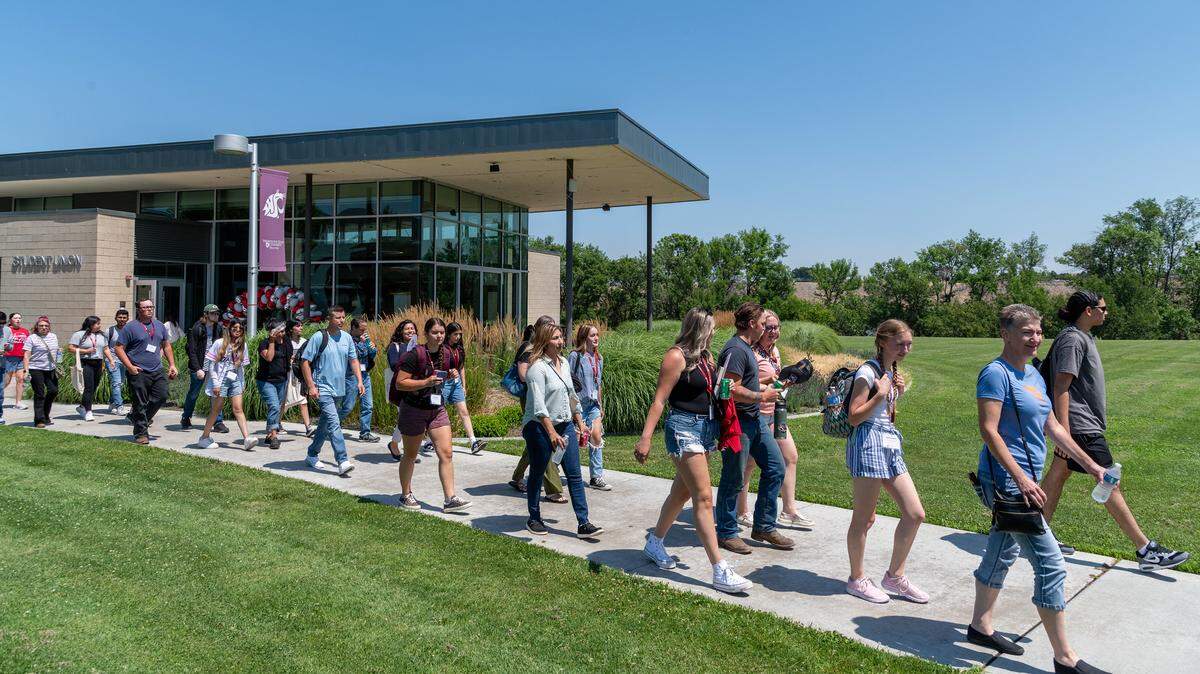
The Trump administration’s crack down on education and grants is threatening groundbreaking clean energy research being conducted in Tri-Cities.
There also are growing concerns about loans and tuition for local college students.
Nearly $2 million in research at Washington State University’s campus in Richland was on hold after federal officials cut two grants that pay for work at the Pacific Northwest Hydrogen Hub and the Ankeron Carbon Management Hub.
The employees working on those projects were moved to other projects or funding sources, said Phil Weiler, WSU’s VP of University Marketing and Communications.
While no permanent employees have been laid off, some temporary student researcher positions may be eliminated because of the drop in funding.
Initially, about $1.5 million of the $1.65 million grant for the community benefits portion of the Pacific Northwest Hydrogen Hub was halted. Then, last week, the funding resumed.
The hydrogen hub aims to remove 1.7 million metric tons of carbon dioxide a year — the emissions equivalent of 400,000 gasoline vehicles — by using the region’s renewable resources to produce hydrogen through electrolysis, ultimately driving down the cost of production and expanding the number of hydrogen fuel cell vehicles.
The other research project remains on hold.
WSU’s portion of the Ankeron Carbon Management Hub project — about $62,000 of $83,000 — is still frozen.
That hub is studying the commercial scaling potential of direct air carbon capture and storage.
Statewide, WSU researchers are facing cuts from $20 million to $25 million — about 5% of its total annual research budget of $370 million, according to Cascade PBS.
About 2,000 WSU employees receive some form of federal grant funding, with more than half of those entirely supported by grants.
The Tri-Cities campus was awarded more than $14 million this fiscal year in federal research funding.
The branch campus has focused on energy, the environment and agriculture and prided itself on its close connection to research and careers at the Hanford nuclear site, Pacific Northwest National Laboratory and the ag industry, including wine science.
Student loans and grants
The cuts came before Trump signed an executive order last week to dismantle the federal Department of Education. He also is seeking to defund public schools, colleges and universities that espouse or promote “gender ideology” and initiatives promoting diversity, equity and inclusion, or DEI.
Formed in 1979, the federal education department’s main role is dispersing grants and loans to institutions through a variety of programs. At the college level, that includes education research, work-study programs and financing for low-income students.
If dismantled by Congress, the agency’s $1.6 trillion student debt portfolio would be likely handed off to another part of the federal government. The debt would not be wiped out or dismissed for the more than 40 million borrowers who attended U.S. institutions.
Weiler said they were closely monitoring the reductions in force at the Department of Education and were particularly concerned about its impact on financial aid for students.
About 40% of WSU students are eligible to receive Pell Grants, and more than one-third of all the school’s students receive federal loans to help pay for their college education.
Education Secretary Linda McMahon says she plans to cut the federal department in half — putting more than 1,300 public education professionals out of work in an effort to create efficiencies.
The move is expected to impact the quality of work and services offered at the D.C. office, which disperses and tracks formula funding, student loans, Pell Grants, special needs funding and grant making.
Washington Attorney General Nick Brown on Monday joined 21 other state AGs in filing a motion for preliminary injunction to stop the DOE’s dissolution after tagging on to a lawsuit aimed at reversing deep cuts at the agency.
The Department of Education said last week that more than 8 million had applied for the Free Application for Federal Student Aid, known as FAFSA, for the 2025-26 academic year.
WSU’s College of Education has a federal education grant that pays for some student tuition, too.
If the grant lapses in August, Weiler says, it could impact the ability of students to complete their degrees.
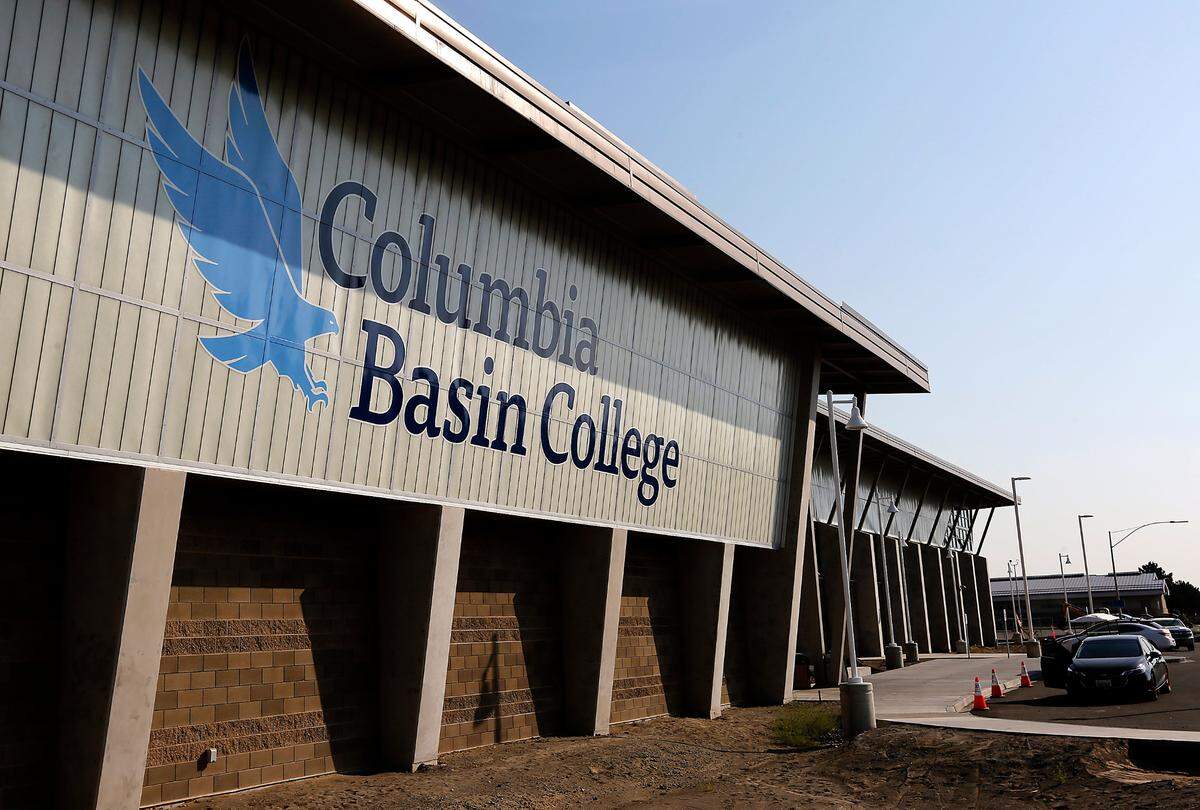
Columbia Basin College
Elizabeth Burtner, Columbia Basin College’s Assistant VP for Marketing and Outreach, says their federal funding amounts can vary.
Overall, CBC has a diverse revenue portfolio, which includes state and local funds, tuition and fees, and some federal grant sources. They’ve reported no interruptions.
“The dissolution of the DOE could only be done through a congressional act. So far, none of the programs within the DOE that we rely on are under threat of dissolution. However, we continue to monitor the situation and plan for possible changes,” she said.