‘That’s not for me.’ Tri-Cities graduate overcomes homelessness to attend college
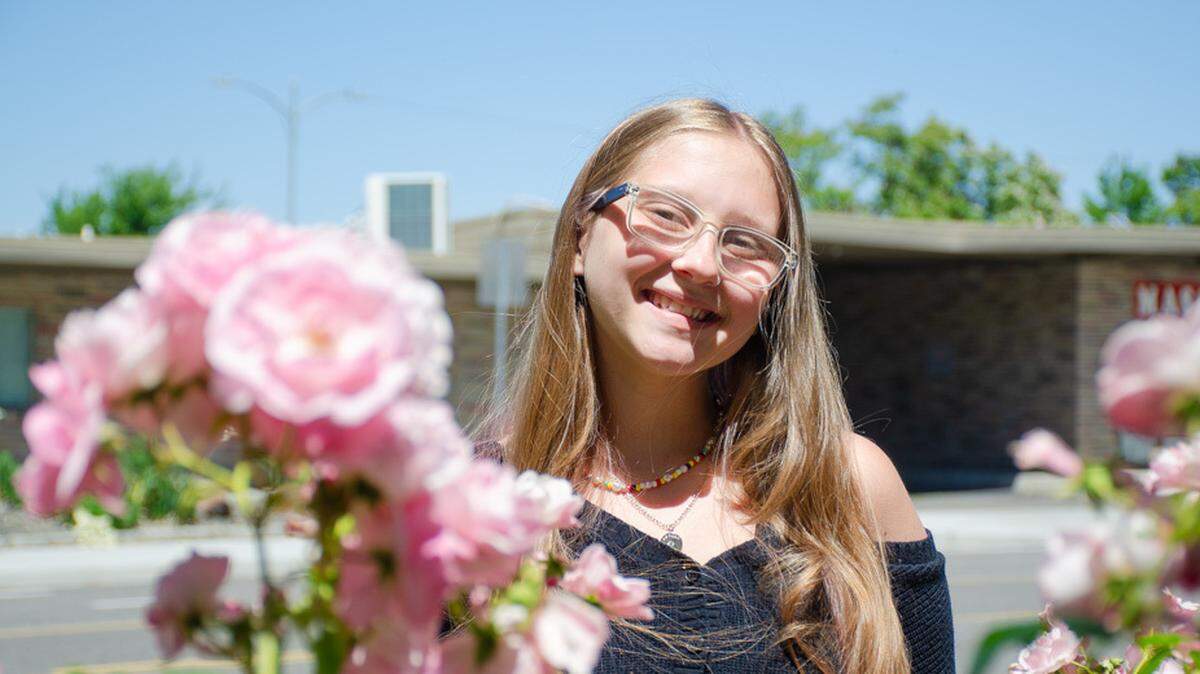
Erika Meneni was on a mission.
She wanted to show her three younger siblings that school was important, that working hard at it could pave the way to greener and brighter pastures, and that their experiences at home didn’t define their worth.
“In their heads they just don’t think it’ll help with them in the future, and I’m trying to prove them wrong by graduating and going to college and showing them they can do much more than they think they can do,” Meneni said.
“They just look at the negative aspects in life instead of trying to look forward. We haven’t had the easiest life, being homeless and our dad leaving, so I’m trying to help them focus,” she continued.
For five years, Meneni and her siblings have struggled with housing insecurity and debilitated family relationships. She and her siblings are among the roughly 700 Tri-City students currently dealing with homelessness.
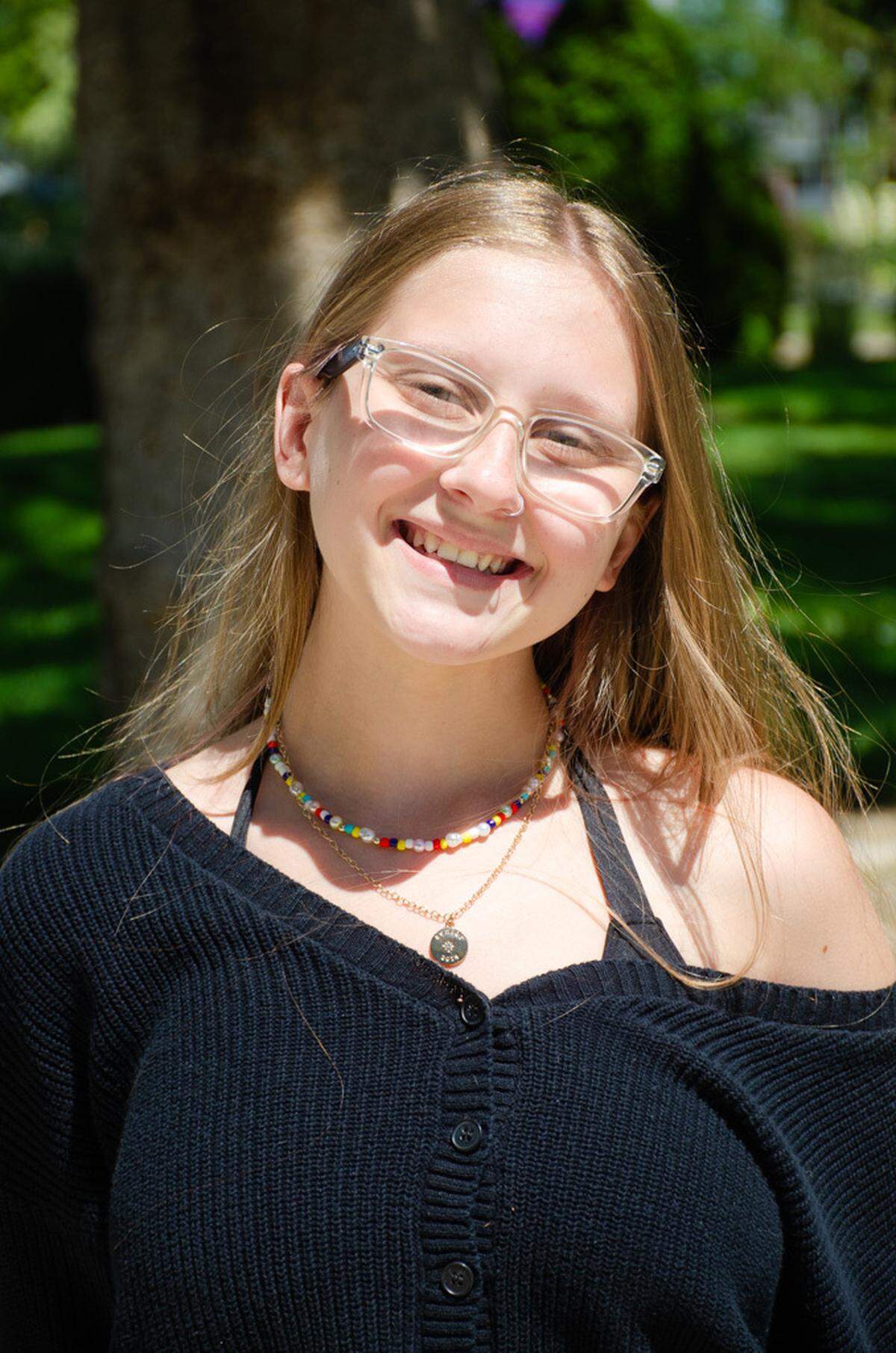
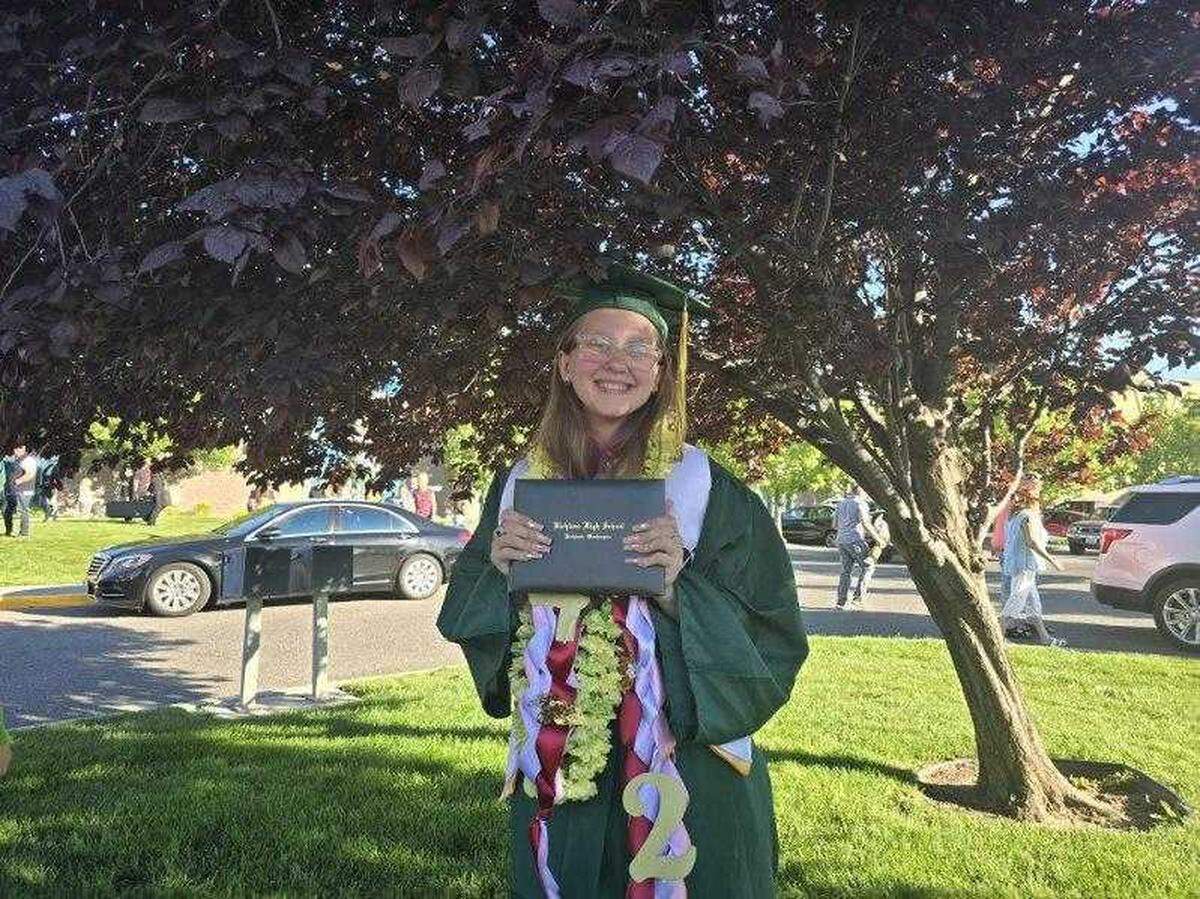
Despite that, the Richland High School graduate accepted her high school diploma June 7 at a commencement ceremony and plans to attend Central Washington University in the fall to study business and accounting.
Meneni, 18, credits her success to a support system of peers, teachers, mentors and family friends who recognized her potential, supported her dreams and lent a helping hand at every rough spot she came across in life.
“I absolutely adore Erika,” said Theresa Buczek, a Richland High social studies teacher and AVID supervisor, and a close confidante of Meneni’s.
“She is funny and bubbly, loves to read... She’s just an inspiration. She’s looking at where she came from and saying, ‘That’s not for me.’”
Housing, COVID and academic apathy
Meneni’s family moved to the Tri-Cities from Nevada when she was 6 to be closer to her father’s relatives.
Her family’s struggles with housing began about seven years later, when she was in 7th grade. That’s about the time she moved in with a friend. Then, shortly before her 15th birthday, her dad left to return to Nevada.
During her freshman year, her family moved into an apartment, which provided some stability for about a year. But they were ultimately evicted after her grandfather’s death.
“He was our income because my mom was his caregiver, and he passed unexpectedly. We ended up getting evicted end of March 2022 and we’ve been homeless since,” she said. “I and my twin sister stay at our friend’s house.”
“Where we’re staying at the moment is where we’ve been secure the longest, and we’re safe and comfortable there,” she said.
Her 15-year-old brother stays with his own friends, and her 12-year-old sister is staying with her mom in a motorhome. It’s been hard living with a splintered family, she says.
“We’re all just split up at the moment. That’s been one of the biggest struggles in life, is having to be away from my family and having to focus on that while trying to get my stuff together with school,” she said.
Meneni began her freshman year at the height of the COVID pandemic health restrictions, during the 2020-21 school year. Schools began that year with remote learning. She didn’t like attending video classes because she didn’t want to show other students her face.
It was a hard transition, and that’s when the apathy kicked in.
“I didn’t like Zoom or going back to in-person with the masks,” she said.
She stopped attending her online classes. Later, when schools reopened for in-person learning, she would go but would rarely engage with teachers and the materials.
Meneni flunked most classes her freshman year. She tried recovering some credits over the summer, but the same challenges persisted.
“Once I got back to my sophomore year, I realized that I needed to change if I wanted to graduate. It was a big change and I had to work really hard and do summer school my sophomore year to make up my freshman classes,” she said.
Her boyfriend encouraged her to keep her head up and continue attending classes.
“He just told me I didn’t have to follow in my parents’ footsteps, told me I was better than what I thought I was... He helped me push myself. It wasn’t just all me,” she said. “Him and his family were definitely a huge impact in my life, and always made me feel welcomed in their family.”
He was also an AVID student and brought her into the program.
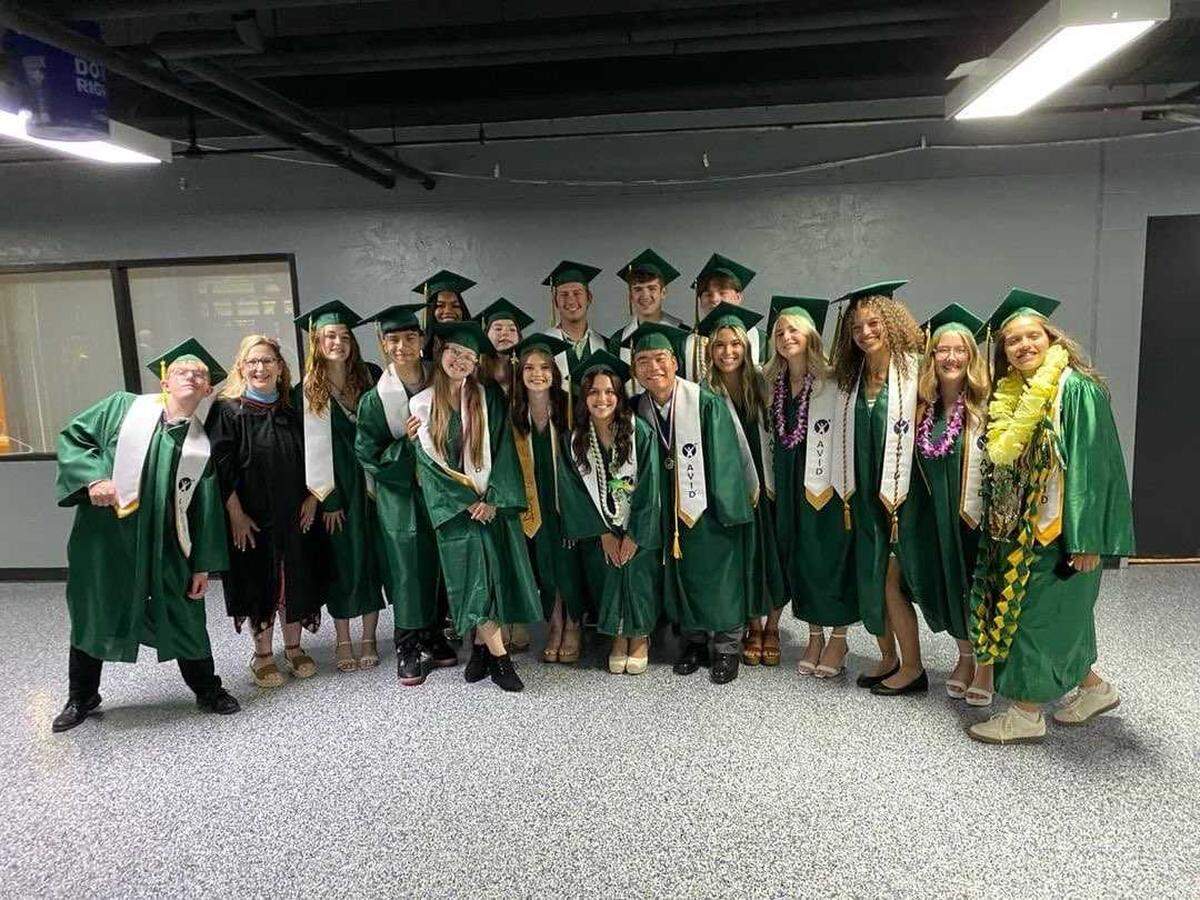
AVID and finding a way
Buczek remembers meeting Meneni because she was the “perfect student” for their program.
Richland’s Advancement Via Individual Determination program, or AVID as it’s known, provides a road map for students to succeed after they graduate high school.
The program serves more than 400 average-performing students — mostly from low-income, migrant or underrepresented backgrounds — across Richland High and Hanford High School.
“I was welcomed with open arms,” Meneni said, describing the program as “a huge family.”
Before she was even enrolled in AVID, Meneni was invited by the class to attend a tour of Gonazaga University in Spokane.
“She came along on the field trip and she was just hooked. She saw herself on the campus and saw that this was possible for her,” Buczek said.
The rest of her sophomore year, Meneni was determined to “get Bs or above” in her classes. For the first time in her life, she began to see a path forward — and that path was paved with a solid education.
“(Buczek) showed me there was so much more to life than just passing classes,” Meneni said. “She showed me there was more to explore and view colleges. She was the one who got me accepted into Central.”
Buczek says most have a perception of Richland as a “nice, middle-class town where everybody has what they need.” But in reality, more high school students are struggling than the public may be aware of.
One of her AVID students last year shared a similar story of academic struggle and homelessness that mirrored Erika’s.
“We have these students who are so vulnerable,” she said. “There’s so many things that can happen to vulnerable students and I think we see it a lot more in the classroom than what people may realize.”
For example, Meneni’s twin sister didn’t have the credits to walk with her this month. Buczek wonders if that would have been the case had she been enrolled in AVID too.
“She didn’t have the motivation to go back after the COVID year, so she didn’t do 9th or 10th grade. She dropped out, but I got her into going back,” Meneni said. “She’s just behind on credits. She has next year to get them up and she’ll graduate next year.”
About four in five students in the Richland School District graduate within four years, according to Washington Report Card data.
“I think we should have programs like AVID at every middle and high school, in every town,” Buczek said. “We still have so many kids who don’t have enough to eat or their parents are working so many jobs and don’t know how to support them.”
Cars, a diploma and new opportunities
Meneni doesn’t want to fall into her parent’s shoes; she wants a home and a steady life. Her biggest fear is that her career might not bring her financial security.
She has many fears, but those don’t get her down anymore.
But what gives her hope?
“That I was actually able to graduate and go to college,” she said, which is something her parents did not do.
“I have hope in the future because I was able to push myself, and pushing yourself is the strongest motivation. I’m motivated in myself and I’m pushing myself, so I know I can do great things in the future,” she said.
Meneni is battle-tested and eager for the future. Since 16, she’s been steadily working at McDonald’s and recently bought her first car — a 2005 Dodge Neon that she’s named “Black Diamond.”
She still comes to the Richland Public Library often to read books, but she’s buying more of them these days. Being away from her family for college will be stressful, she says, but she’s relieved knowing the Tri-Cities is only a couple hours away.
Looking toward the future, Meneni gives kudos to her past: To the people who helped her along the way.
“Really, you see all these other people who will push you so you don’t feel so alone. I don’t think without them I could be where I am, graduating and having the motivation to push myself to go farther. Because, without them, I wouldn’t have the choices that I’ve had,” she said.
“It’s good to have a support system — a family.”
This story was originally published June 17, 2024 at 5:00 AM.