Free lunches guaranteed for all Tri-City students this year — except in 1 school district
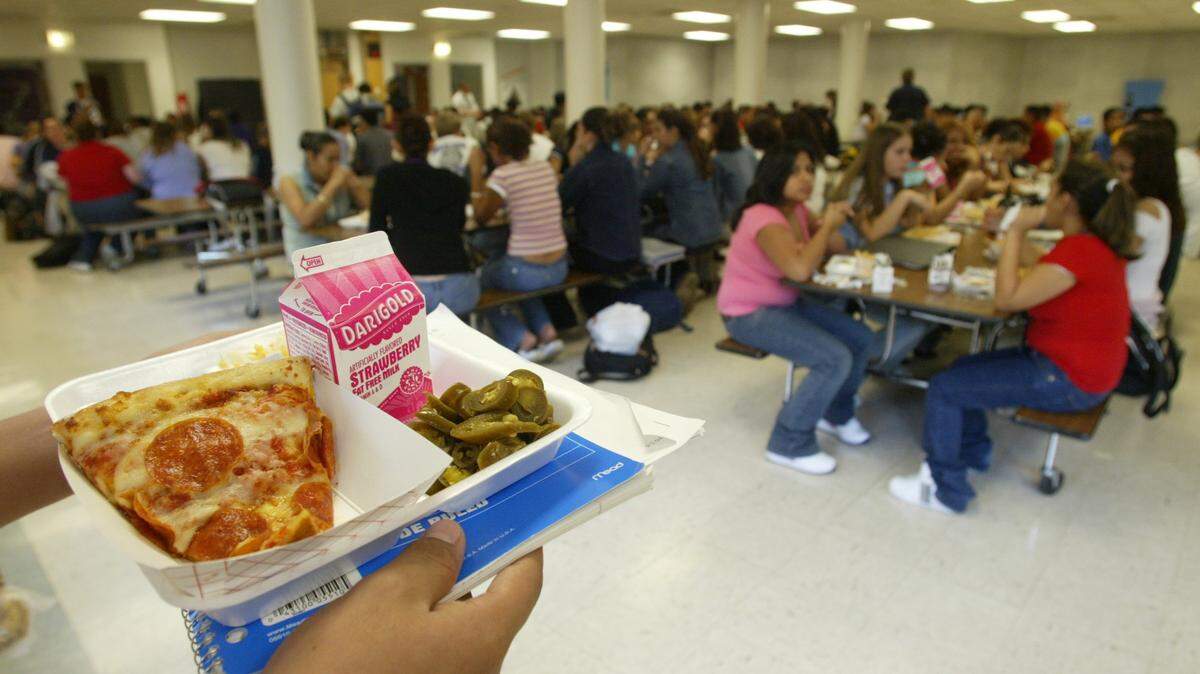
For two school years, students in the Tri-Cities and around the country have received free meals as part of a larger federal response to the economic effects imposed by COVID.
But that program expired last June and placed most school districts back into their pre-pandemic meal funding models.
As Tri-City students return to the classroom, two school districts — Kennewick and Pasco — will continue to provide meals to all students free of charge thanks to the federal Community Eligibility Provision program.
Richland School District does not currently meet poverty metrics to offer meals to every student — but a majority of its schools do.
Eight of its elementary schools, three of its middle schools, an alternative high school and its early learning center will continue to offer its students free meals this school year.
That doesn’t include the district’s two high schools, where nearly one-third of students attend.
“We have students in poverty at every school, in varying levels,” said Ty Beaver, Richland’s director of communications.
Here’s how many students in each district are considered low-income, based on an October 2021 tally reported by the Washington Office of Superintendent of Public Instruction:
Students attending class at a school not offering free meals can still request an individual application for free and reduced lunch. Families undergoing a financial burden or that meet a certain income level may also be eligible.
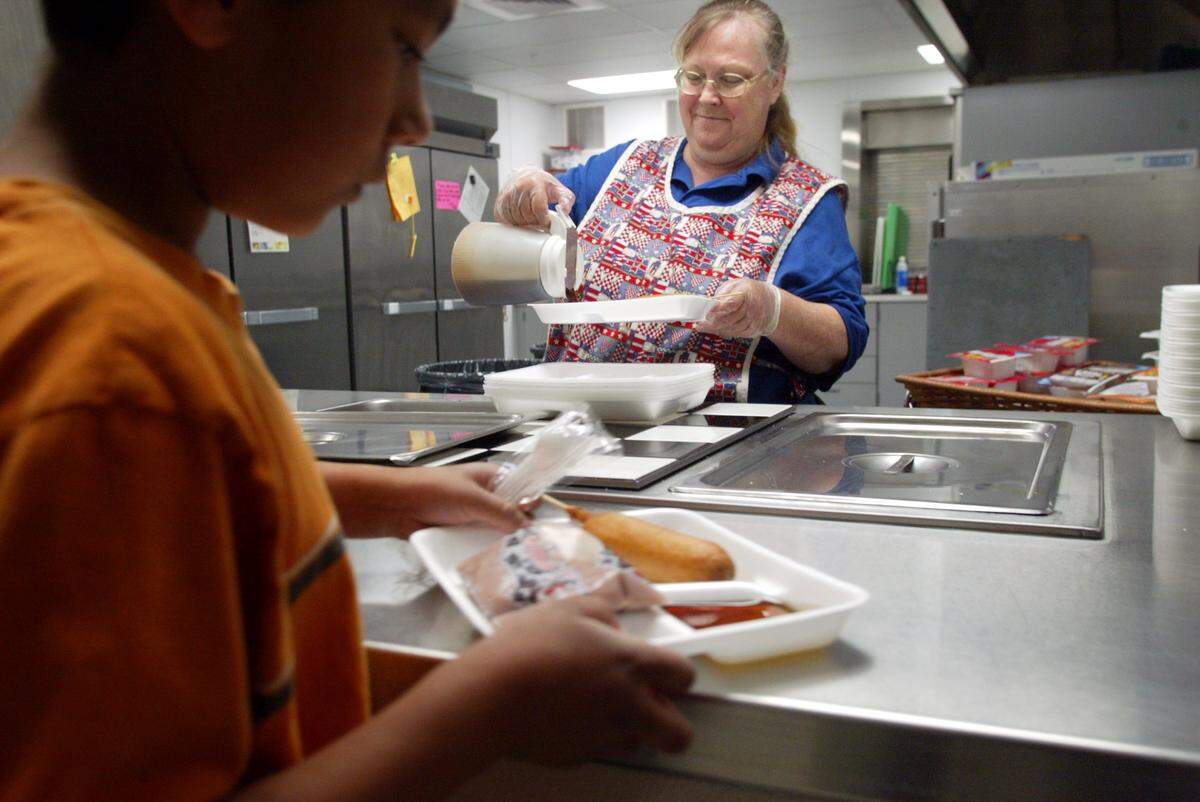
Students who are homeless or in the foster care system may also qualify, Beaver said.
Last week, state Superintendent Chris Reykdal unveiled a statewide proposal to fund free school lunches for all K-12 students starting fall 2023.
The program would cost about $86 million per school year to cover Washington’s 1.1 million students, but would have to be approved by the state Legislature.
Almost half of all Washington state students are already eligible for either free meals or reduced-price meals.
Beaver said Reykdal’s proposal would be a big step and help equalize the playing field for many Richland students.
More families every year report struggles paying for school supplies or lunches, he said.
Richland wants to work to flatten any barriers that may come in the way of a student obtaining an education.
“Being able to have a full stomach and not being worried about paying for your breakfast or your lunch is one of those things,” Beaver said.