
Richland is shutting down 4th and 5th grade classrooms. Here’s the problem
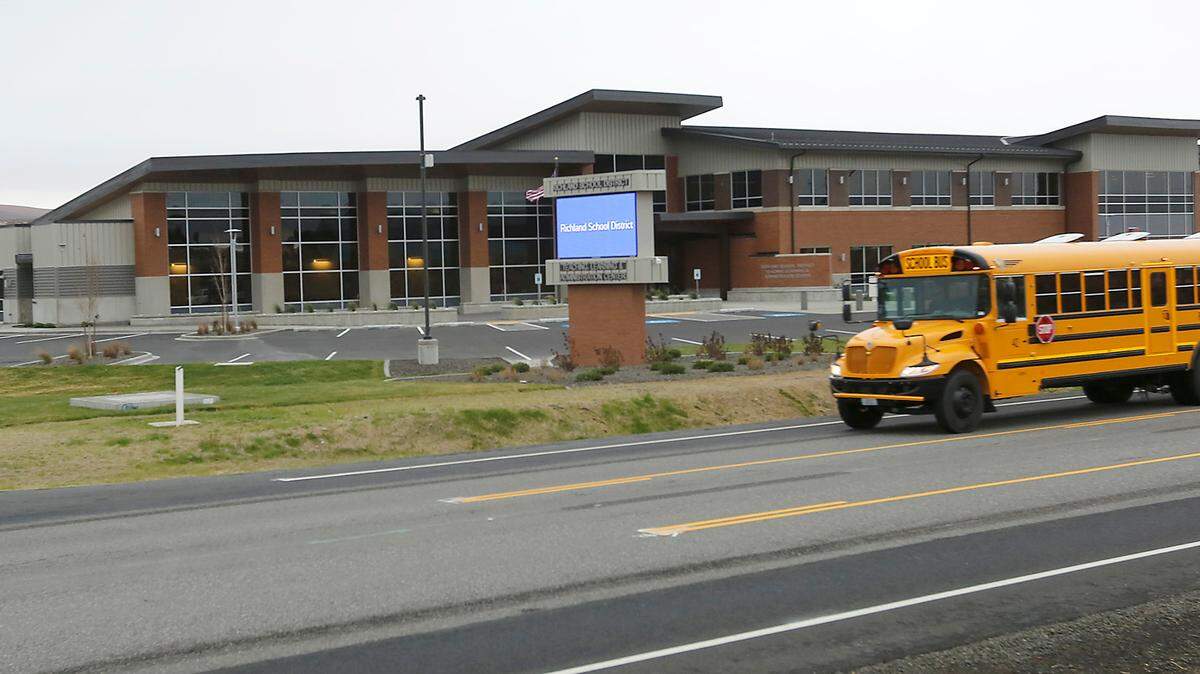
Amid a shortage of substitutes, Richland’s fourth and fifth graders are heading back to distance learning on Monday.
The Richland School Board voted 4-1 on Tuesday night to move the students back online as rising COVID rates combine with a lack of substitute teachers and paraeducators to create issues in the elementary schools.
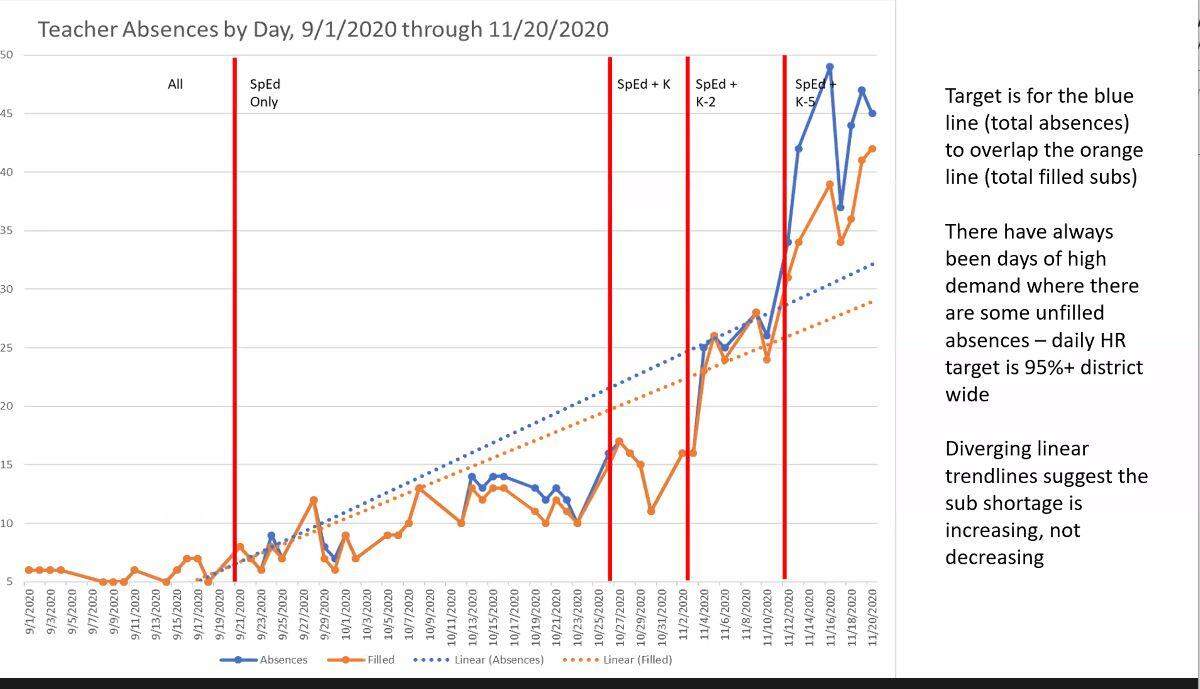
Since bringing third- through fifth-grade students back into classrooms in mid-November, there has been three or more classrooms daily without a teacher, said Tony Howard, the assistant superintendent of human resources.
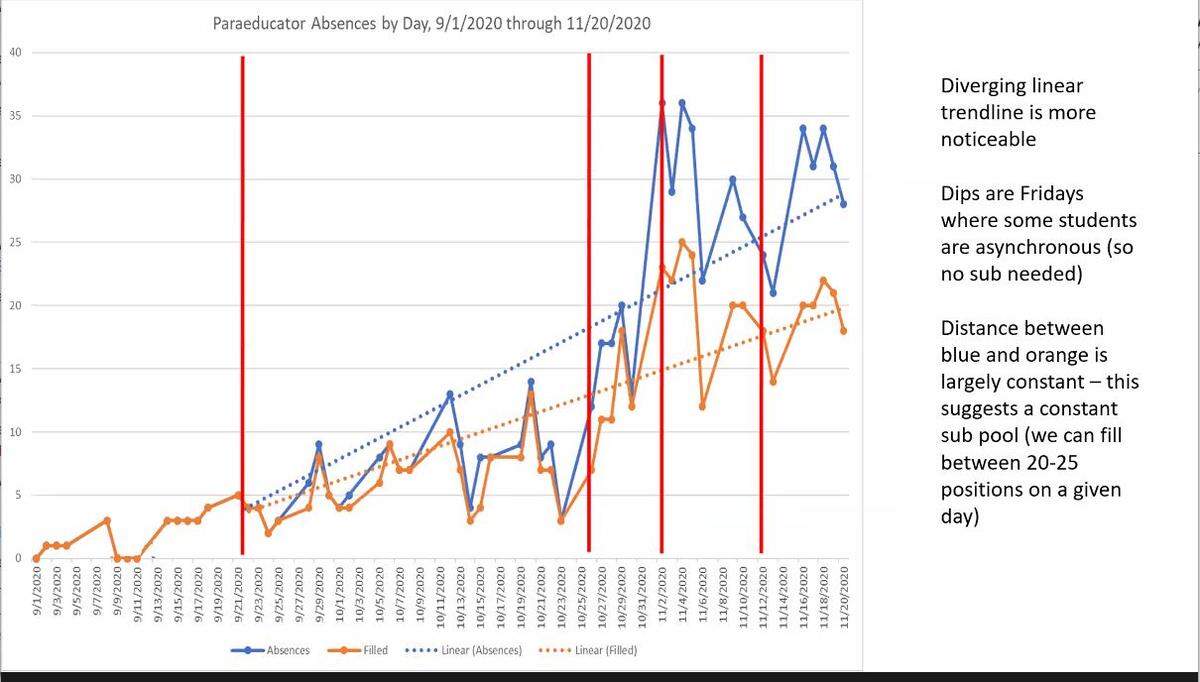
The shortage for paraeducators is even worse. They’ve been missing three or more paraeducators since second-grade students returned to in-person learning.
It’s a recent phenomena, Howard said. They did not see the same problem when they started online this year.
The shortages are only being exacerbated by teachers and paraeducators needing to quarantine if they contract COVID or are exposed to it.
“We’ve seen it develop over the last two weeks,” said Brian Moore, the assistant superintendent of elementary education. “The biggest impact is when we lose a teacher for 14 days. .... When we have a substitute in a classroom for 14 days there is a significant impact.”
With the surging infection rates in the Tri-Cities, it is likely to become worse. In less than a week, the rate of infection has gone from 500 new cases per 100,000 people over two weeks to more than 800 new cases per 100,000.
The school district has faced other administrative issues, including a growing number of students and families who are looking to continue with distance learning.
The changes have meant shuffling around students to different classrooms and further disrupting their education, Moore said.
Superintendent Shelley Redinger said in retrospect they should have waited a little longer to bring students back.
“I’m concerned that we can’t seem to get a handle on what we need,” she said. “My goal is to get all of our students back in person.”
The district plans to offer tutoring for students needing extra support the most.
Board member Jill Oldson followed the Redinger’s recommendation and moved to send the two grades back online. She also wants to see the most at-risk students get tutoring.
“I don’t want to scale back on anything, but I don’t want to break the system. I don’t want to break our administrators. I don’t want to break our teachers. I don’t want to break our families,” she said. “My biggest concern is that we minimize the learning loss.”
Board members Ken Gosney agreed with Oldson, saying he doesn’t want to move the students out of fourth or fifth grade, but he can see that having a series of substitute teachers is not good for kids.
“My main concern is that we can continue to provide the education that we should,” he said. “What I’m hearing from the district is that the system can’t handle that.”
Board President Rick Janson echoed that he doesn’t want to keep students out of school, but agreed with scaling back the students in elementary schools.
Board member Heather Cleary voted for the move, but wanted to take it further, saying that she believes that the schools are acting as a way to spread the disease.
The only dissenting vote came from Kari Williams, who pointed out that about 4,000 students want to be in person opposed to the 927 students who didn’t want to.
“I am having a really difficult time,” she said. “I’m really concerned about these kids and what they’re learning.”
The district also set a tentative date for returning middle and high school students on Jan. 24. The move was made for planning purposes and could change depending on the COVID transmission rates.
This story was originally published November 24, 2020 at 9:49 PM.