
CBC enrollment drops by hundreds. Other colleges are hurting more
Hundreds of Columbia Basin College students didn’t make the transition to online learning this spring.
The college saw a 4 percent drop in its 7,000-plus student enrollment from the end of winter quarter to when classes started online in the spring.
College leaders said it could have been worse. Community colleges across the state lost more than 1 out of every 10 of their students after COVID-19 forced closures statewide.
Similarly, nationwide, community college leaders report being happy to see only 5 percent declines in enrollment, according to Inside Higher Ed.
CBC’s transitional studies program saw the largest losses said Jay Frank, the college’s assistant vice president of communications and external relations. The program includes students getting their GEDs, finishing high school diplomas or taking classes in preparation for college.
Since having to cut winter quarter short, the college has been working on keeping students engaged. That includes delaying financial aid deadlines and making a fast transition to online classes, according to college reports.
And CBC is getting $1.3 million as part of CARES funding that came to the state, and is being passed on as part of $44 million package to the state’s 34 community and technical colleges.
New school year
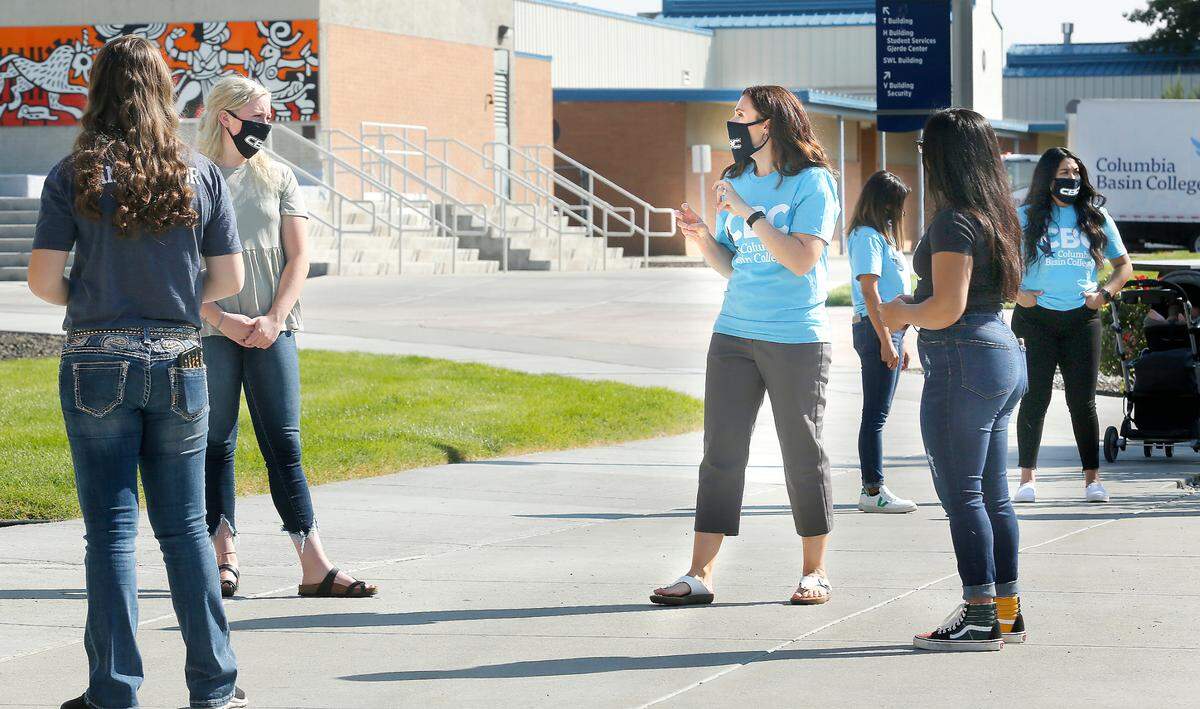
CBC has been gearing up for the start of Fall 2020 classes this week by transitioning its traditional welcoming activities online.
They had student ambassadors leading tours through Zoom, and hundreds picked up welcome boxes as part of a drive-through event.
“We are pouring so much energy into making sure that students have access to resources and give them a sense of engagement,” said Frank.
While they won’t have official enrollment figures for 10 days, they are hopeful that the efforts will help them in coming months.
Running Start
While the college saw a drop in Running Start applications this spring, a recent rebound may help bolster the college’s enrollment.
The program allows juniors and seniors to start taking college classes. Last year, the program accounted for 1,300 of the about 7,300 students that arrived at Columbia Basin College.
Typically most of the applications for the program are turned in during the spring, but that didn’t happen this year, Frank said. The slow down was in part because of difficulty of testing students because of campus closures.
As of early this month, the college enrolled 145 fewer full-time students in the program compared to last year.
While they were looking at a drop in the spring, they are seeing a rebound in applications during the past month. In the last two weeks of August, they registered 87 students.
“We are now optimistic this trend will continue into the beginning of fall quarter, and that Running Start enrollment this fall will be similar in number to our Running Start enrollment in Fall 2019,” Frank said.
Emergency funding
The $1.3 million CARES funding is a welcome relief for colleges hurt by COVID-19, and a pleasant recognition of the work they did to keep students moving toward a college degree, said Jan Yoshiwara, the executive director State Board of Community and Technical Colleges during a recent board meeting.
“I really believe that this funding will help us speed economic recovery for Washingtonians who are unemployed while helping them earn credentials that lead toward good paying jobs,” she said.
Nearly $1 million of the funding heading to CBC covers the loss of tuition between winter and spring quarters. The remaining portion covers the amount the college expects to lose this year.
“The bulk of this money is meant to replace lost revenue for spring and fall quarter due to COVID-19,” said Brian Dexter, CBC’s interim vice president for administrative services. “This does not replace money lost due to potential state budget reductions. Instead it serves to backfill tuition revenue lost due to lower enrollments.”
The dip in funds has not led to any positions being trimmed.
There is an additional $5 million the state board plans to distribute to help colleges restart their professional programs that were put on hold while campuses were closed.
While it will cover the costs associated with the drop in tuition, it is still uncertain what the state funding will look like.
In May, all state agencies were told to identify potential 15 percent cuts after projected revenue shortfalls.
This story was originally published September 20, 2020 at 1:23 PM.