
It took broken bones to show a Richland High grad where her heart lies
Jasmine Gray knows exactly what she wants to say, sometimes though she has a little trouble saying it.
“I was born with (a stutter), so I had to face things throughout my life with it,” said the Richland High School senior. “I don’t think it stopped me from being a leader. I’m a captain of the soccer team. I’m vice president of (National Honor Society.)“
While her speech impediment may slow down how much she talks, it also fueled her to prove that the way she talks doesn’t reflect her intelligence.
The Richland native is driven to succeed. While her first couple years in high school were easy, she found she needed to buckle down to maintain good grades.
Along with spending a couple hours each night on homework, she tutors other students and volunteers. Her trick is to keep lists, something she said she picked up from her father.
Heading to medical school
Gray has set her sights on Pepperdine University to continue her studies. The small private school near Malibu only accepts about a third of the students who apply.
“Going there is a big dream of mine,” she said. “The area there is beautiful. It’s right on the beach.”
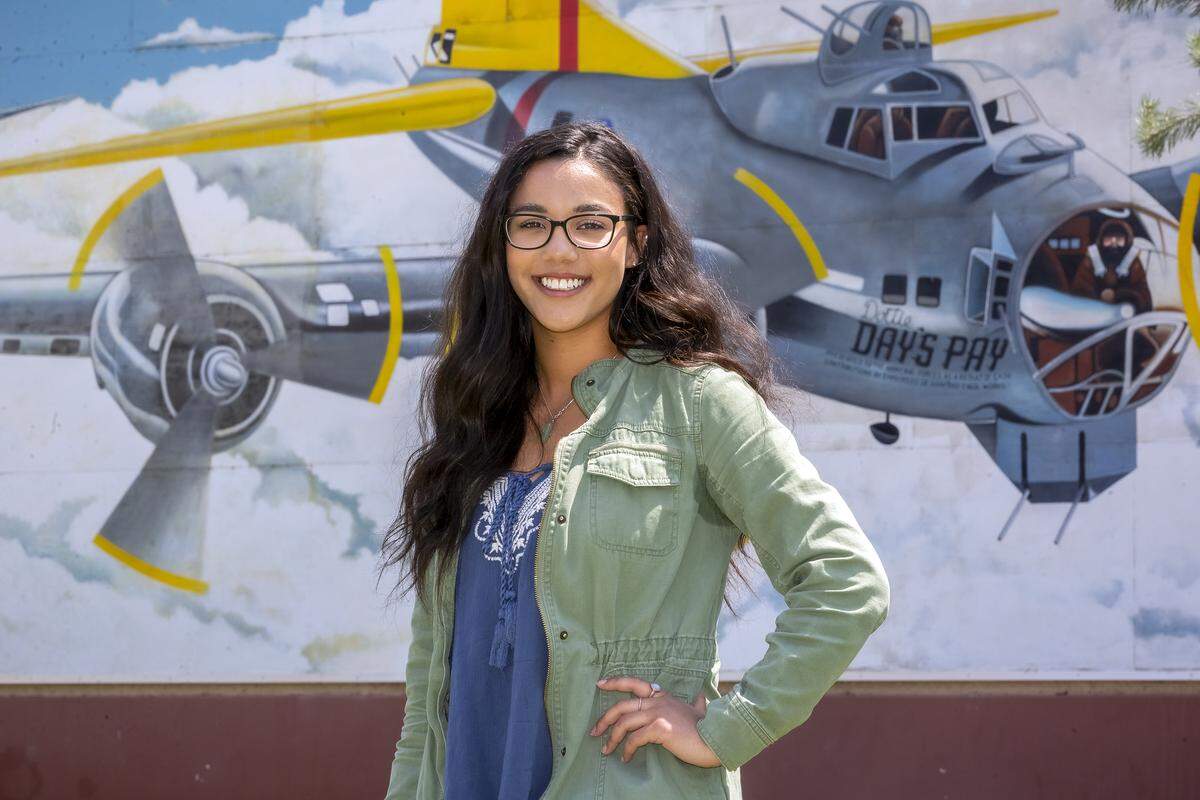
After hurting her knee and breaking her collarbone playing soccer, she decided she wanted to become a doctor herself with the goal of helping others through medicine, she said.
She prepared herself for the work by getting an one of the few high school internship spots at Kadlec Regional Medical Center in Richland.
So with Pepperdine’s solid reputation in the sciences and only about 7,700 students, she believed she found the perfect school for her.
Pepperdine is one of those schools where getting accepted is only half the battle. A year of education there costs more than most cars — $73,000 for tuition, room, board and fees.
It’s not an easy bill to pay for anyone, but the school wanted her there. They offered about $35,000 in financial aid, but she needs to raise the rest.
At least part of that money came from her continuing involvement in Afro-Americans for an Academic Society (AAAS). The program supports the academic achievement of black children starting in fourth-grade.
“I won that award for nine years in a row. It’s a huge honor,” she said. “I think it’s a big honor and means a lot to be in the black culture here.”
The organization provided her with $1,200 toward her first year.
Her best advice to the next generation of students is to keep going to class.
“Kids skip and they just fall behind, and it just gets worse, and worse,” she said.