
She inspired generations of Tri-City science students. They’re mourning her now
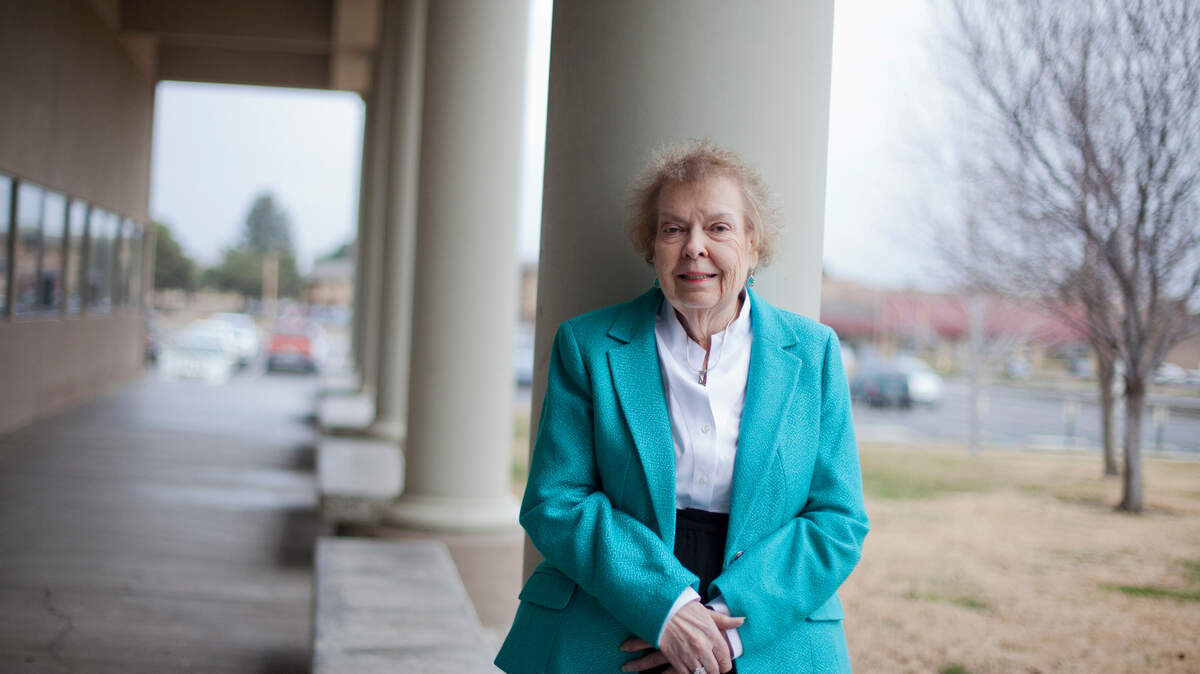
The Columbia Basin College community is mourning the loss of a longtime educator known as a champion for students.
Karen Grant, who died recently, helped build up the chemistry program in her 37-plus years at the Pasco-based college.
“Karen’s dedication to chemical education, her depth of understanding and her ability to connect with her students are inspirational,” said Jan Hylden, physical science lead at CBC, in a statement.
“Karen’s most lasting accomplishment is the students that she has taught and mentored over the years. They have gone on to be scientists, physicians, engineers and teachers themselves. They will continue her legacy in the community and beyond,” she said.
Grant, who grew up near Boston, came to CBC in 1981 to teach chemistry.
When she first arrived, “we were in a building that didn’t have much in the way of labs or air conditioning or anything,” she told the Herald in 2014, when she was named a fellow of the American Chemical Society.
She worked hard to enhance the program, securing instruments for the labs, applying for grants and seeking donations from companies such as Battelle, which operates Pacific Northwest National Laboratory in Richland.
She also developed an honors general chemistry program and ensured her students had research opportunities, giving them invaluable experience and leading to discoveries including an anti-inflammatory derived from noble fir trees.
In 2004, she worked with two students and PNNL scientists on a project that led to a system to analyze human saliva to measure exposure to compounds such as pesticides, drugs or explosives. The group’s paper on the research was published in the Department of Energy’s Journal of Undergraduate Research — a significant accomplishment.
“CBC was up there with Harvard, MIT and Cal Tech,” Grant later said of the honor.
She loved working with students. They’re the reason she chose to be in the classroom over a more research-focused track.
“I just felt my best contribution was in teaching,” she told the Herald in 2014.
Grant’s students — she also taught at Washington State University Tri-Cities over the years — loved her in return.
.JPG "AHi_j0195(6).JPG")
Bridget Smith, who’s now studying biology and chemistry at Central Washington University, described Grant as an inspiring teacher and mentor who always showed up for her students and cared.
“She helped me feel more confident. She never made me feel like I asked a stupid question — that she didn’t have time to answer it. No matter how basic the question, she always took time to answer,” Smith said.
Mustafa Jalayar, a pre-med student, said Grant helped him succeed.
“I struggled in chemistry at first, but Karen took the time to explain things to me and she really listened,” Jalayar said in a statement. “I can honestly say that because of Karen, chemistry went from my most hated subject to my most favorite.”