$1M in Bitcoin ATM scams reported in Kennewick. What police are doing
AI-generated summary reviewed by our newsroom.
- Council may require businesses to remove Bitcoin ATMs with 60 days' notice.
- More than $920,000 lost to ATM scams; another $568,000 from non‑ATM cases.
- Officials warn about spoofed calls and quick investment pitches; report scams to FTC.
Kennewick could remove several Bitcoin ATMs scattered across the city after dozens of its residents collectively lost out on nearly $1 million to overseas scammers.
The city council will study the issue Tuesday and consider an ordinance at its March 17 business meeting. The measure would give businesses 60 days notice to remove kiosks, according to documents.
This crackdown would be the first of its kind in the Tri-Cities.
These ATM kiosks allow residents to buy and sell cryptocurrencies, such as Bitcoin, using cash or debit cards. Instead of bank accounts, they connect to anonymous crypto wallets.
Cryptocurrencies are unregulated digital assets that use decentralized systems to record transactions and rely on online cryptography to prevent counterfeit or fraud transactions.
Transactions are often instant and irreversible making prosecution and money recovery incredibly rare.
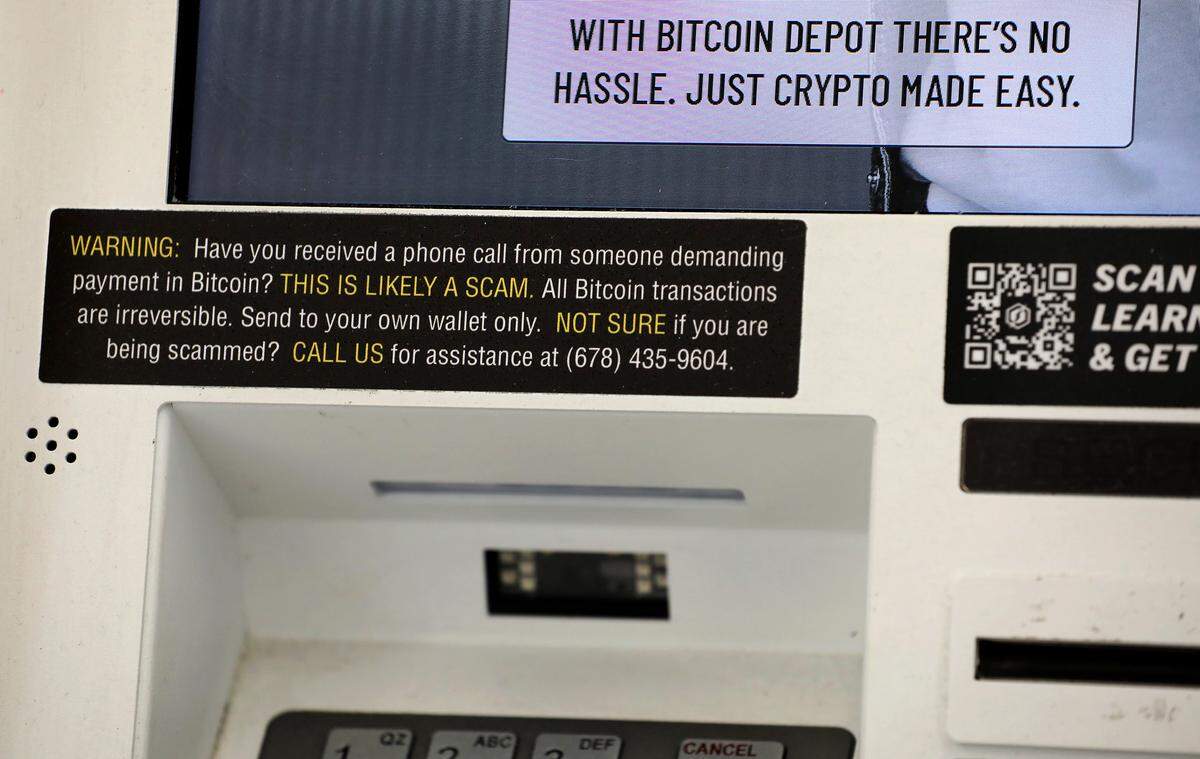
Police say these machines are susceptible to fraud because scammers direct victims to deposit money into their wallets. They often use money exchanges or wallet layers to hide their identities.
U.S. residents are scammed out of billions of dollars each year from fraudulent cryptocurrency schemes, and it’s become a rapidly growing issue in recent years.
Nearly 150,000 victims were tied to more than $9 billion in losses in 2024, according to an FBI report. Most are between 20 and 40 years old, but older adults reported larger sums lost.
Kennewick police say it’s even become an issue in their community, and losses are rising sharply.
More than three dozen residents have collectively reported losses of more than $920,000 since 2023. Victims varied in age range, but adults in their 70s suffered the largest losses in terms of dollar amount.
They often involved their life savings and the results were “life altering,” per city council documents.
So far, in 2026, four cases have been reported to Kennewick police totaling more than $132,000.
Police also reported another $568,000 that residents lost through cryptocurrency cases that didn’t involve ATMs, and instead methods like cellphone applications.
Why cryptocurrency machines are an issue?
These ATMs are often located in convenience stores and are largely unregulated, Kennewick police say.
There are about 16 located in Kennewick, and many others located in Pasco and Richland. The businesses that own the kiosks are located out of state.
Jon Amundson, Richland city manager, said they are aware of Kennewick’s concerns.
“We will continue monitoring the issue and evaluate whether additional action may be warranted,” he said in an email.
Transactions carry high fees, usually 15-25%, even when tied to known scams. They remain anonymous until converted back to cash.
Phone numbers that scammers use are usually “spoofed,” according to Kennewick police, in order to hide identification.
Scammers often communicate with victims under the guise of investment opportunities, celebrity impersonations, financial grooming, extortion, or romance scams, according to AARP. They often pressure or coerce individuals to act quickly.
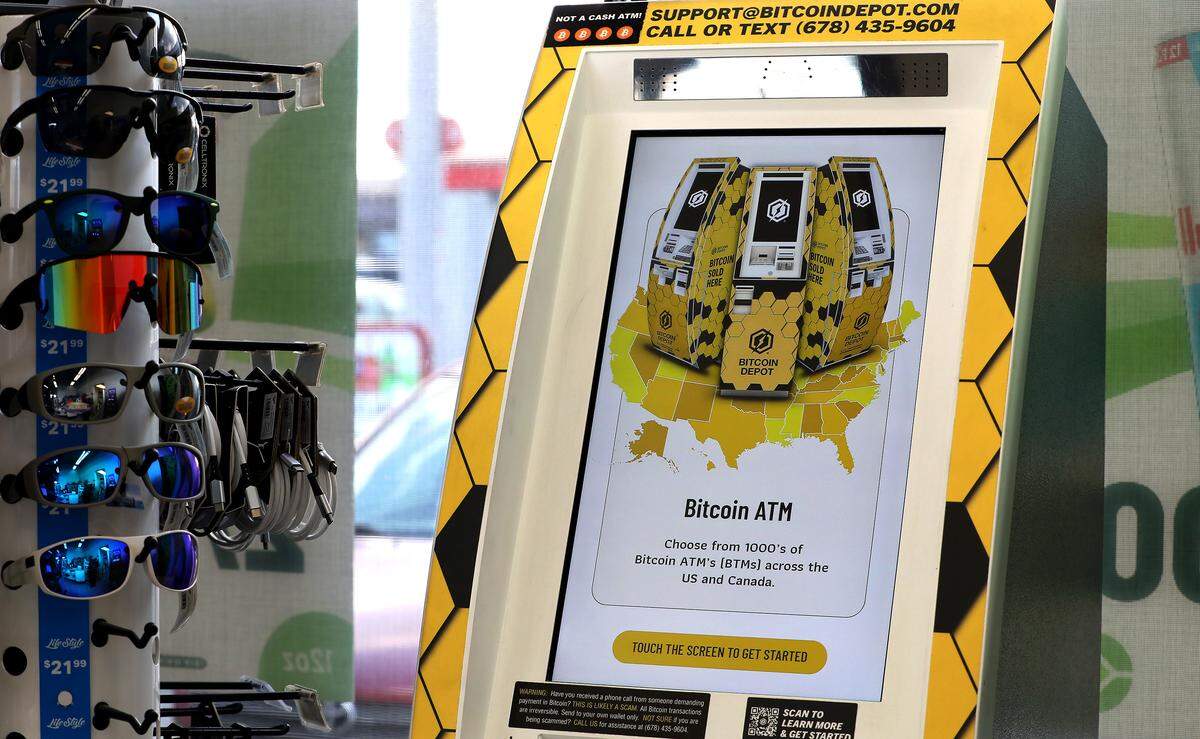
In order to avoid becoming a victim, avoid responding to messages or calls that promise quick investment returns or purchases, and never mix online dating with investment advice, the FTC warns.
Be wary of bogus business, government or job impersonators, and make sure to conduct thorough research on whomever may be contacting you. The FBI recommends reporting blackmail and criminal extortion online at reportfraud.ftc.gov.