
A ‘tagger’ eluded Kennewick police for nearly a decade. How he was caught
AI-generated summary reviewed by our newsroom.
- Kennewick police charged Michael L. Fouse, 32, after linking decade of graffiti.
- Investigators tied 68 incidents to “Kapo,” but statutes of limitation closed 53 cases.
- Interview and alley video led to charges; arrest followed later on a warrant.
A 32-year-old allegedly tied to nearly a decade of graffiti is charged with causing more than $11,000 in damage.
Investigators believe Michael L. Fouse is a gang-related “tagger” known as “Kapo” who has left his mark across the Tri-Cities since 2016. He has been linked to 68 incidents of graffiti, say officials.
Kapo’s identity remained a secret, but in May, a video allegedly tied his car to graffiti in an alley on West Grand Ronde Avenue in Kennewick, court documents said.
While the video wasn’t clear enough to show the vandal’s face, the person looked the same as the suspect in other tagging.
“Kapo” was allegedly tied to 15 instances of graffiti, throughout east Kennewick, between February 2024 and May 2025, court documents said. The graffiti, on walls, fences, trucks and a dumpster, was estimated to cost $11,000 to fix.
While he’s been linked to dozens of other cases, the statute of limitations have passed for the other 53 locations, Kennewick police said in a Facebook post.
When a detective questioned him in June, he allegedly admitted to being “Kapo,” and being part of a “tagging” crew. He told the detective he got a thrill from the graffiti.
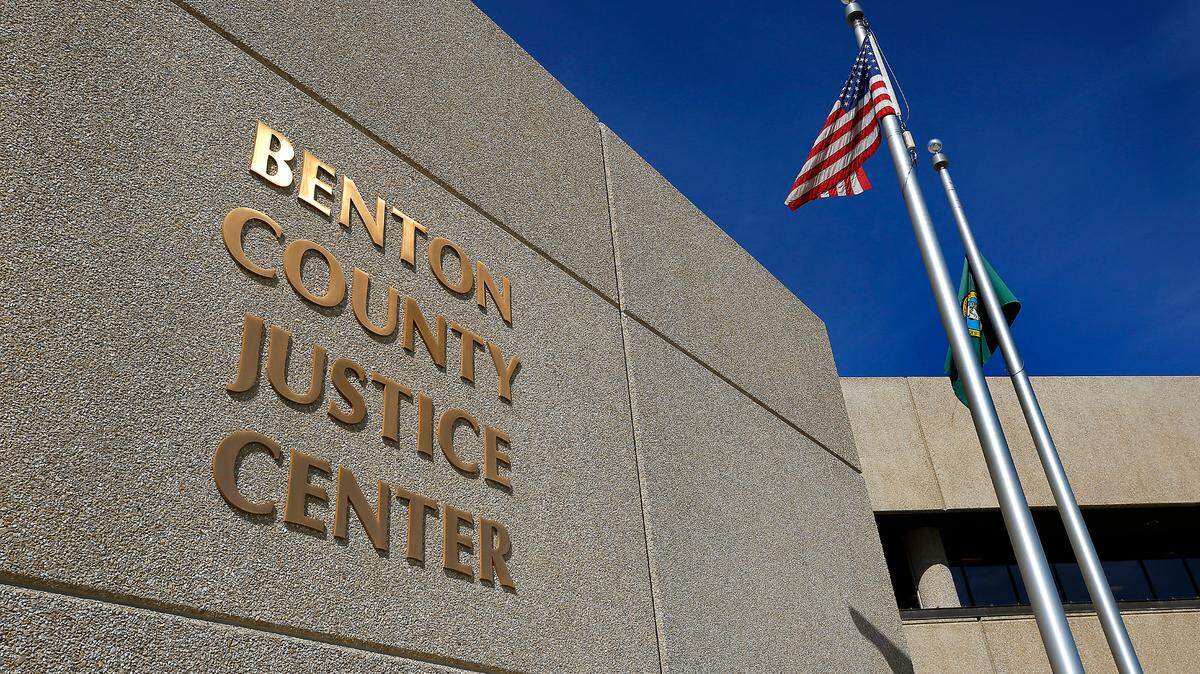
Prosecutors charged Fouse in Benton County Superior Court in September with first- and second-degree malicious mischief. Fouse missed his scheduled court date, and a judge issued a $100 warrant.
Kennewick police said he’s been linked to more graffiti since his initial arrest, a Facebook post said.
He was arrested on Dec. 12 on the warrant.
“Thorough investigations are an important pillar of our mission of providing professional police services,” Kennewick police said in its Facebook post. “Our detectives continually monitor leads that can help close cases, even years later, so we can hold offenders accountable.”