
Richland man felt ‘compelled’ to kill Pasco bus driver, expert testifies
AI-generated summary reviewed by our newsroom.
- Defense expert testifies Davis killed Pasco driver believing governments tortured him
- Prosecution and defense agree on schizophrenia but dispute Davis’s criminal intent
- Cellphone videos and witness testimony show delusions, memory gaps before murder
A 38-year-old Richland man felt compelled to kill a Pasco bus driver after years of what he believed was torture by foreign governments, a defense mental health expert testified Monday.
Forensic psychologist Alexander Patterson testified in the first-degree murder trial of Joshua D. Davis, who is accused of stabbing Pasco bus driver Richard “Dick” Lenhart in front of a bus load of children outside Longfellow Elementary School in 2021.
Davis has pleaded innocent by reason of insanity. The experts on both sides agree Davis suffers from schizophrenia that manifests in a belief that he has been subjected to a secret government weapon. But they disagree on whether Davis understood whether he was doing something wrong at the time of the stabbing.
The prosecution’s expert, Richard Yocum, testified last week that Davis was sane
Patterson’s testimony came as the culmination of the defense’s case, which has revolved around a series of people who have known Davis for years. This collection of friends and his own mother described an intelligent man who was losing his connection with reality, and periodically lashed out at them.
A family member was abused when he was a child, which planted a lifelong dislike for people who hurt kids, according to testimony from Davis’ mother.
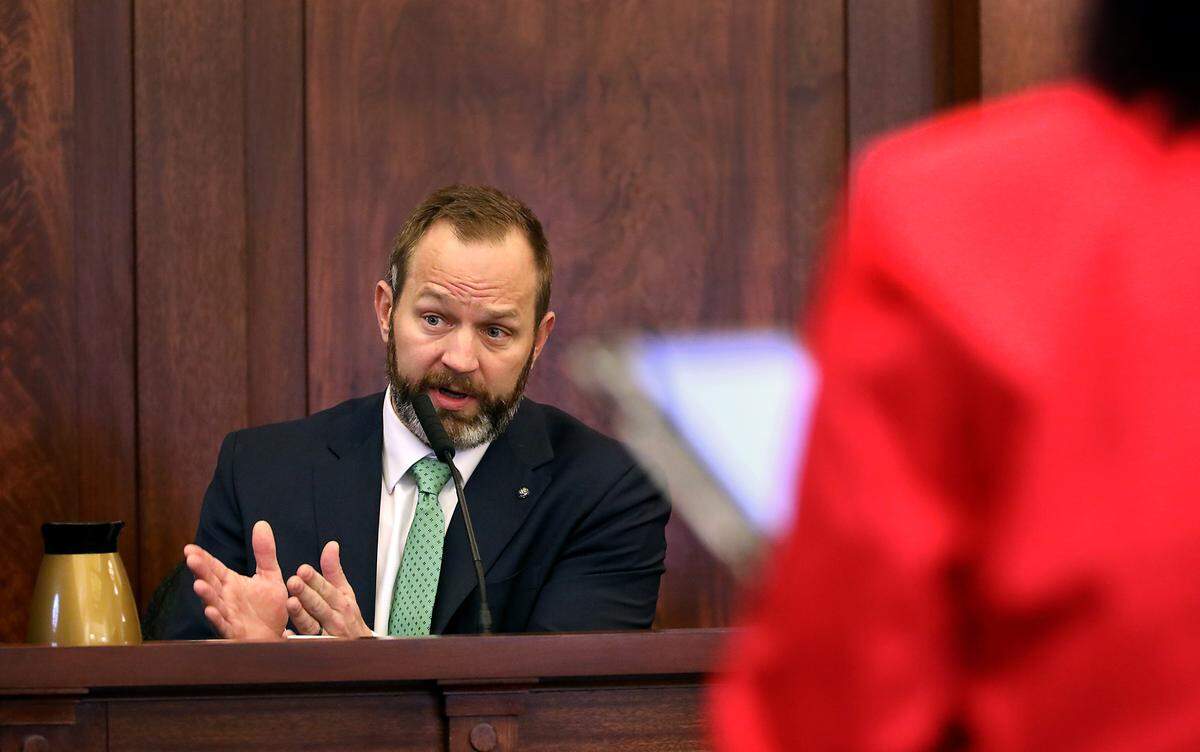
People could have a conversation with someone suffering hallucinations and not realize that the other person was disconnected from reality, said Patterson.
“It’s happened to me,” he said. “I’ve met with people and for the first 20, 30 minutes of our conversation, I think this person is fine and then all of a sudden, we switch topics and bizarre beliefs come out.”
Schizophrenia is insidious because people who have it often don’t realize it, and that realization often takes a long time, he said.
Davis’ cellphone videos
Davis documented his own mental state before the murder through a series of cellphone videos. Three from the day of the murder show Davis making faces and humming. In one, he presses electric shears into his cheek. The last one was filmed less than an hour before the murder.
“(The latest video) shows to me that he’s still preoccupied with perceptions of being physically tormented. He’s still fixated on problems that are occurring in his sinuses and gums,” Patterson said.
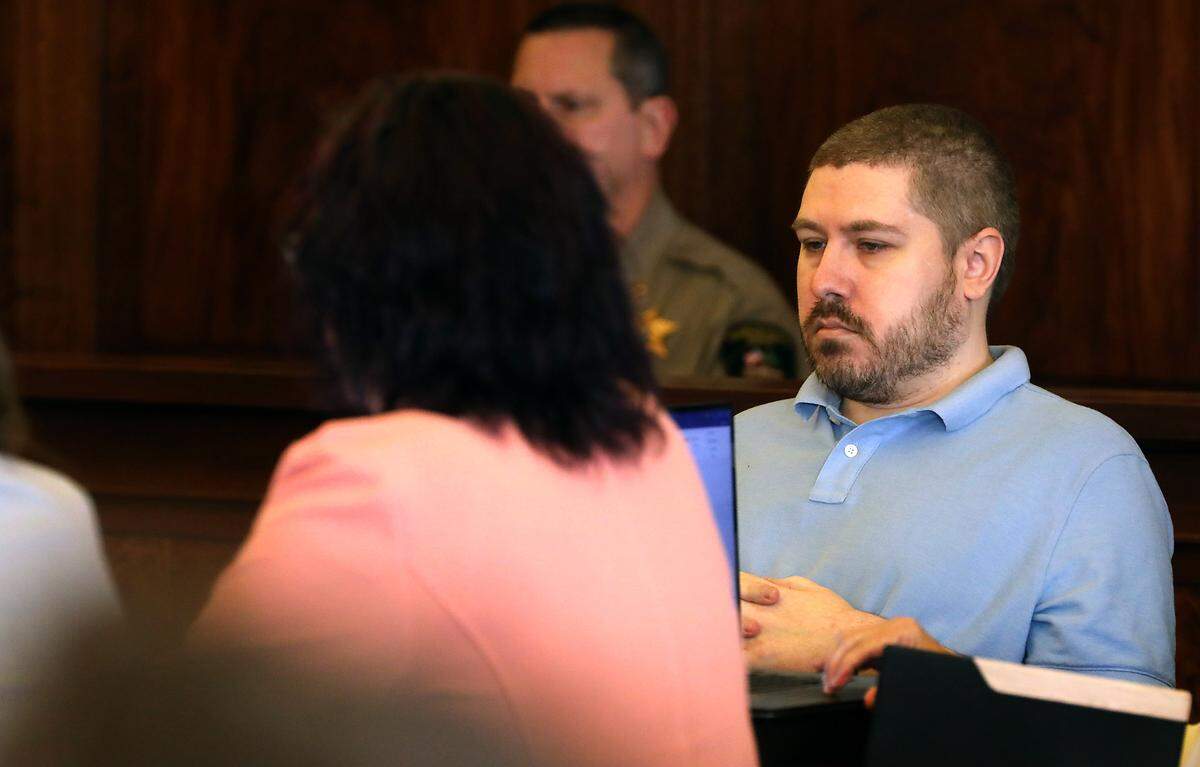
“He’s very obviously very distraught about this and desperate, and then he also references hearing voices in the video,” Patterson testified. “He believed the U.S. government was using some sort of computer technology to project obscene images into his head.”
He tried to take steps to get the pain to stop, including going to doctors to complain about the symptoms. But for most of the visits they weren’t able to find anything medically wrong with Davis. He also wrote a letter to sent to the FBI. It’s unclear if he sent that letter.
Not a trick
Patterson also pushed back on Yocum’s interpretation of why he believed Davis was sane. Yocum relied on Davis’ actions and statements from the scene.
He said Davis used a “ruse” to get onto the bus, and then referred to himself as the assailant.
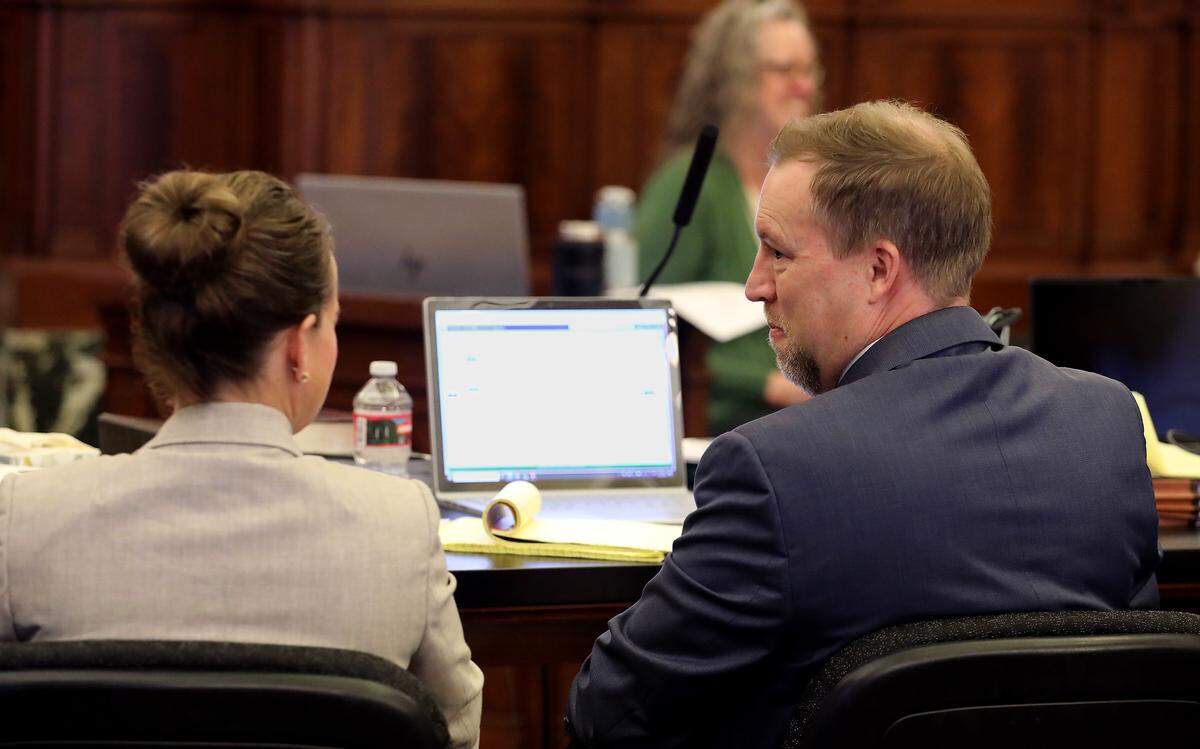
While Patterson testified that he can’t be absolutely certain, he said it was more than likely that Davis believed he was forced to kill Lenhart.
Outside the pattern of behavior leading to the stabbing, Patterson said the only important piece of information from the attack came from an exchange where someone heard Davis ask why Lenhart was telling him to stop.
“That statement suggests a lack of appreciation for the gravity of what (he was) doing,” Patterson said.
He didn’t believe the use of a “ruse” showed anything useful. Someone can use deception to commit a crime and still have a delusion that they’re morally justified.
“You can do something that you believe is morally correct and justified based on your delusional belief, and you can plan it out and do it,” he said. “I’ve had plenty of cases like this. ... For example, you can have defendants who believe they’re getting instructions from God ... and they plan it out step by step.”
He also didn’t believe the use of the word assailant or telling someone to call 911 definitely showed that Davis was sane.
“To be honest, assailant, it’s very awkward to use,” he said. “It’s not a word people commonly use in conversation.”
Inconsistent statements?
Prosecutor Shawn Sant pressed Patterson on cross-examination about the points where Davis gave seemingly inconsistent statements during the interview.
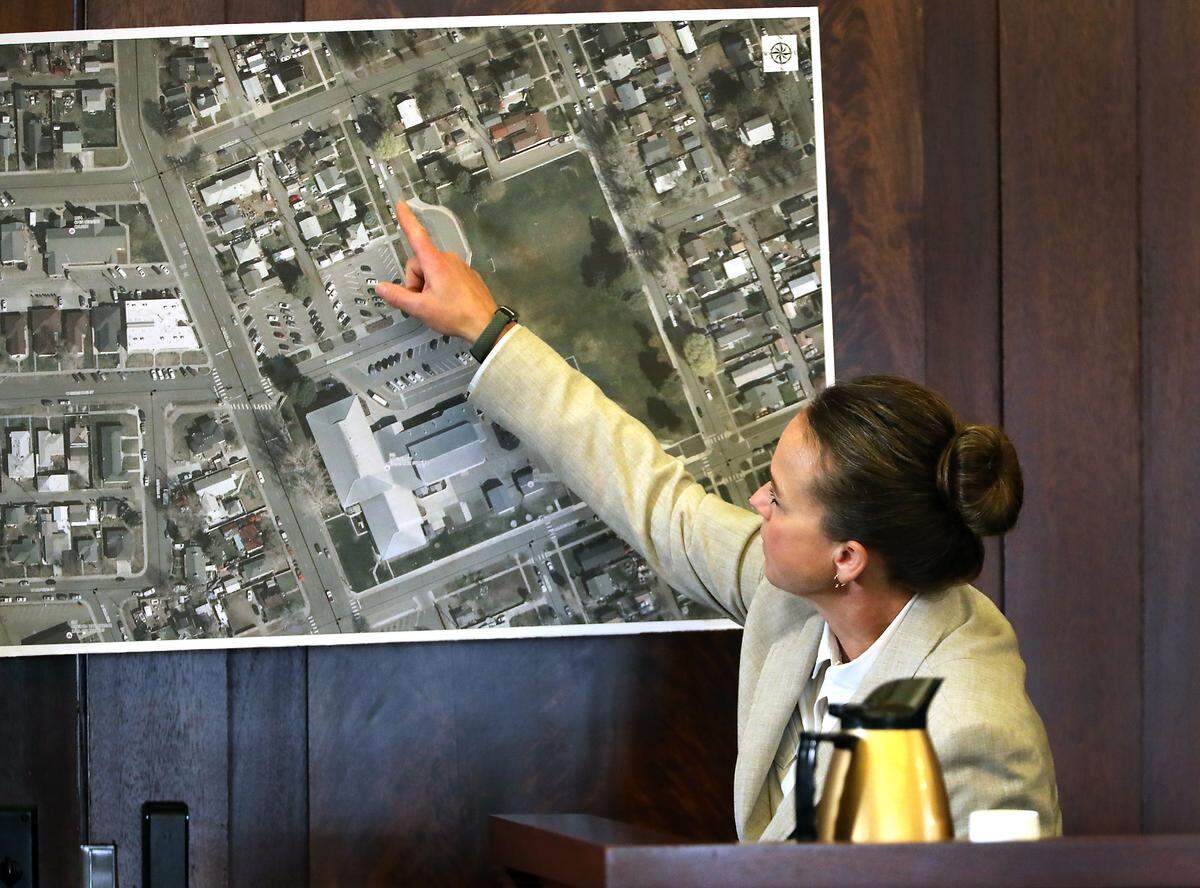
This included statements Davis made about being drunk on the day of the murder. Davis had initially said he didn’t drink that day, but then said he’d woken up drunk.
Patterson didn’t feel those two ideas conflicted with each other, but Sant suggested the two versions disagreed with each other.
He also pressed Patterson on Davis’ ability to remember where the truck he drove was, and that his cellphone was in the car in the minutes after the murder. But then couldn’t remember the murder at all when he was interviewed later.
Patterson said this kind of amnesia wasn’t unusual, and that Davis was using his short-term memory when he spoke with police.