Killer used a ‘ruse’ before fatal stabbing on Pasco school bus. Expert says he’s sane
AI-generated summary reviewed by our newsroom.
- Forensic expert testified murder suspect was cognitively aware and followed instructions.
- Experts agree Davis has schizophrenia; legal insanity requires lack of understanding.
- Video showing bus ruse, compliance with officers, and admissions supported sanity.
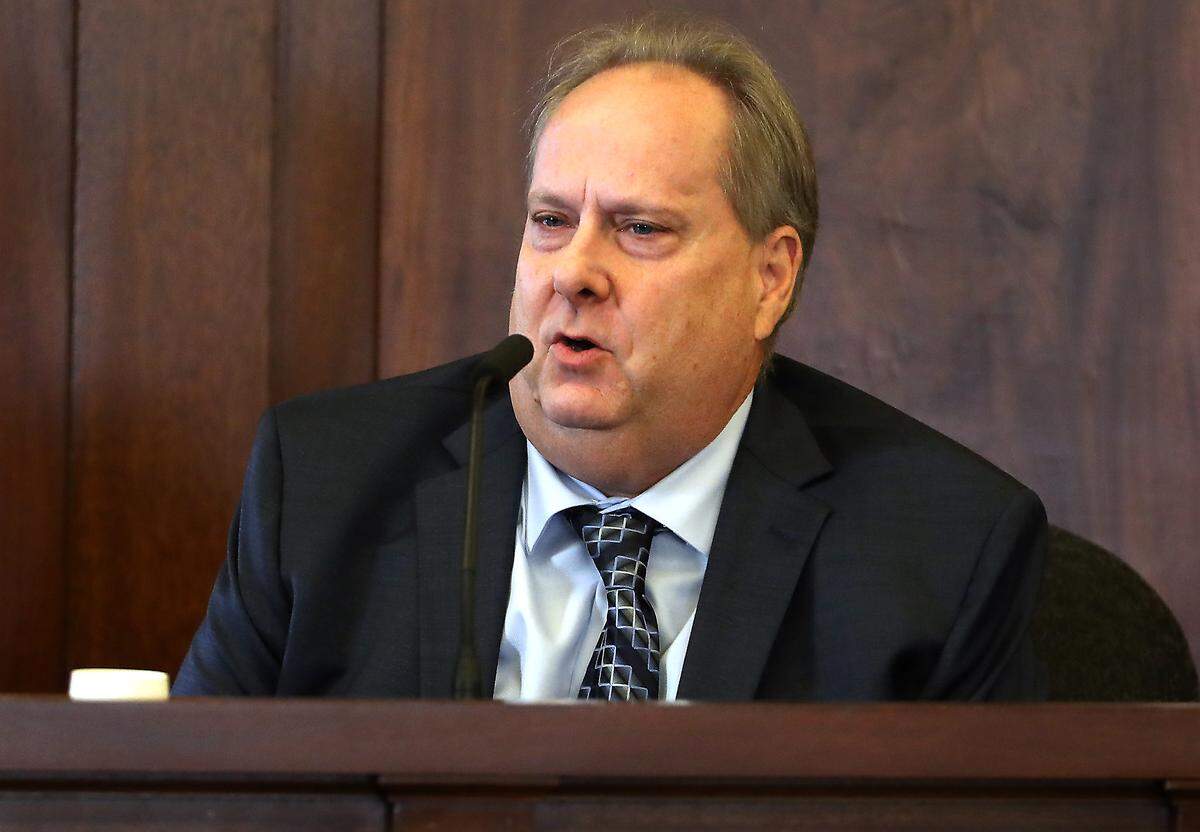
The moments before and after a fatal stabbing on a Pasco school bus show the attacker knew what he was doing, a state psychologist testified this week.
“I see someone who is cognitively aware. What I see is someone who was able to engage in a rational, reciprocal conversation with the people who he’s talking to,” said Richard Yocum. “I see that he’s able to follow instructions to a T, and has no difficulty doing that.”
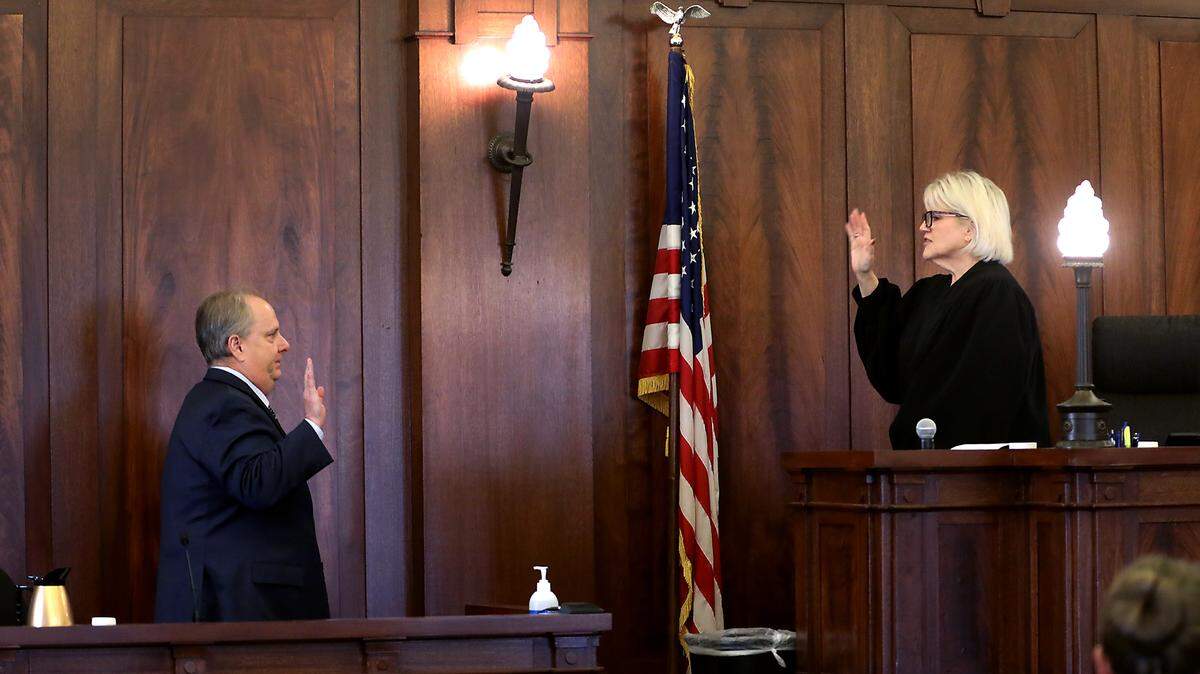
Yocum, a forensic psychologist for Washington state, testified in Franklin County Superior Court in the first-degree murder trial of Joshua D. Davis.
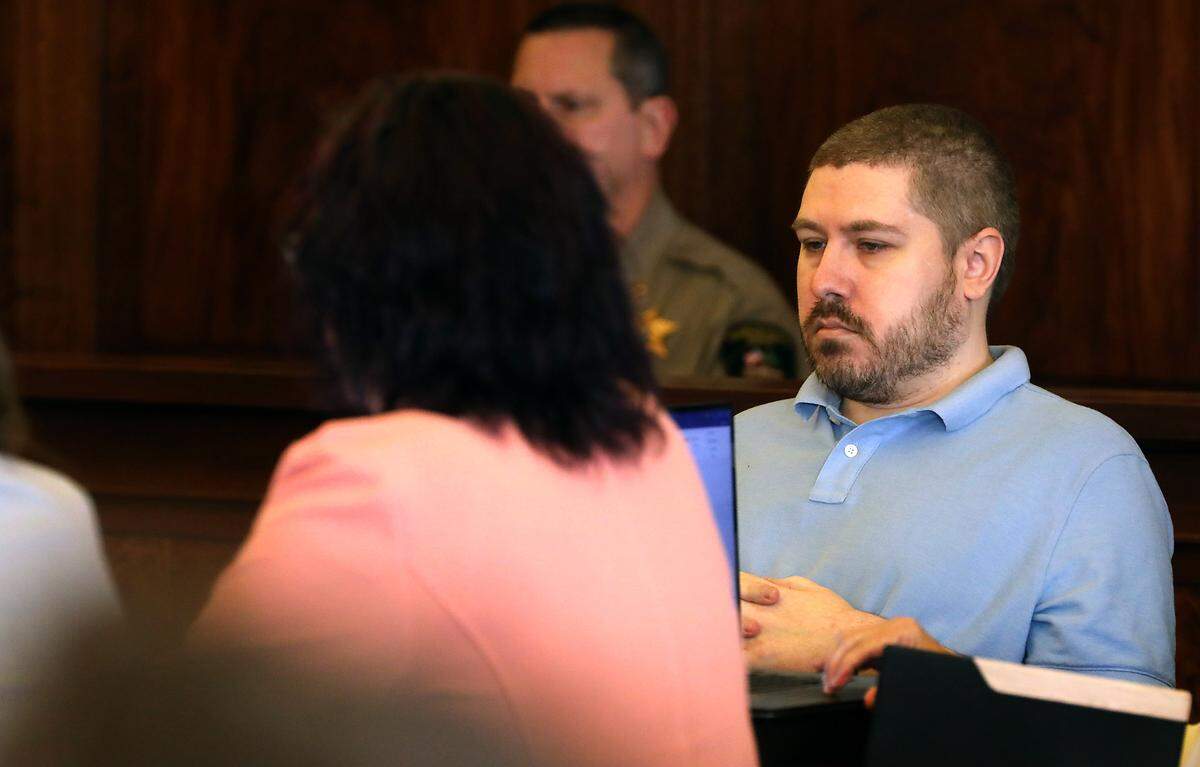
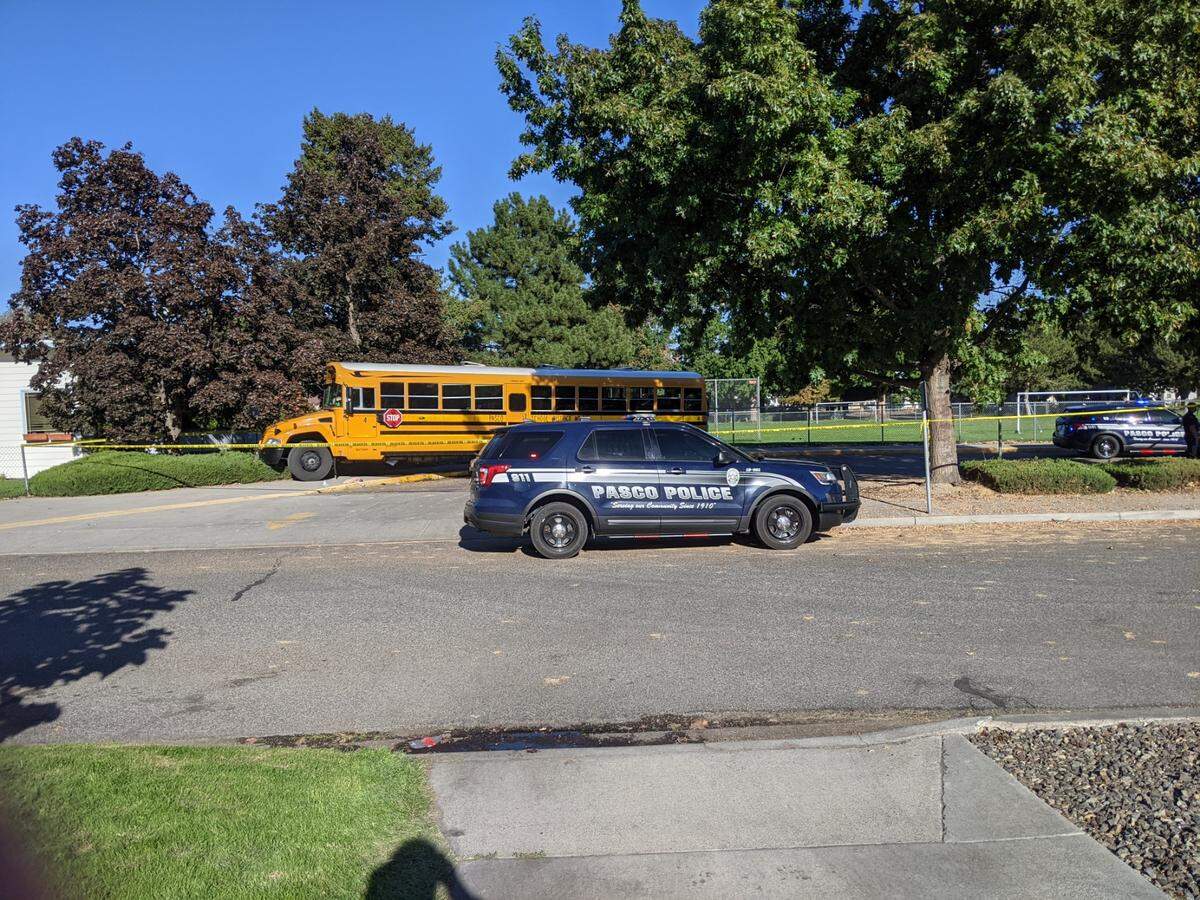
Davis, 38, has pleaded innocent by reason of insanity to stabbing Richard “Dick” Lenhart 13 times in September 2021 after getting on a bus outside Longfellow Elementary School in Pasco.
Yocum is one of the two experts expected to give their opinions on Davis’ sanity at the time of the stabbing. His counterpart for the defense, Alexander Patterson, has yet to take the stand.
Both experts agree Davis has schizophrenia that manifests in hallucinations and paranoia.
But Yocum explained to jurors that having a mental health condition is only part of what is legally required to show someone was insane at the time of a crime.
They must also show either that the person couldn’t understand what they were doing or didn’t understand that it was wrong, Yocum said.
The large amount of video available in this case, including video of the stabbing and interviews with officers, helped Yocum form his opinion, he said. He called the evidence from the time of the murder the “gold standard” of proving what someone was thinking.
“I can see exactly at the time what is going on. I can see exactly what his behavior is. I can see exactly his interactions, what he’s saying to officers,” Yocum testified.
He specifically noted a conversation Davis had with Pasco Officer Josh Madsen. Davis followed Madsen’s directions, told him where the knife was and the location of his roommate’s truck, and apologized for ruining the name “Josh.”
Davis didn’t make any irrational statements, and he didn’t appear to be responding to hallucinations.
Yocum also pointed to the video of the bus and Davis asking Lenhart if he would take him to Road 100. He called that a “ruse.”
Davis had driven to the elementary school in his neighbor’s pickup from Richland and could have driven anywhere in the city.
The psychologist also noted that he referred to himself as “the assailant” when he got off the bus.
Yocum’s report referred to several other pieces of evidence showing that Davis understood what he was doing and that it was wrong.
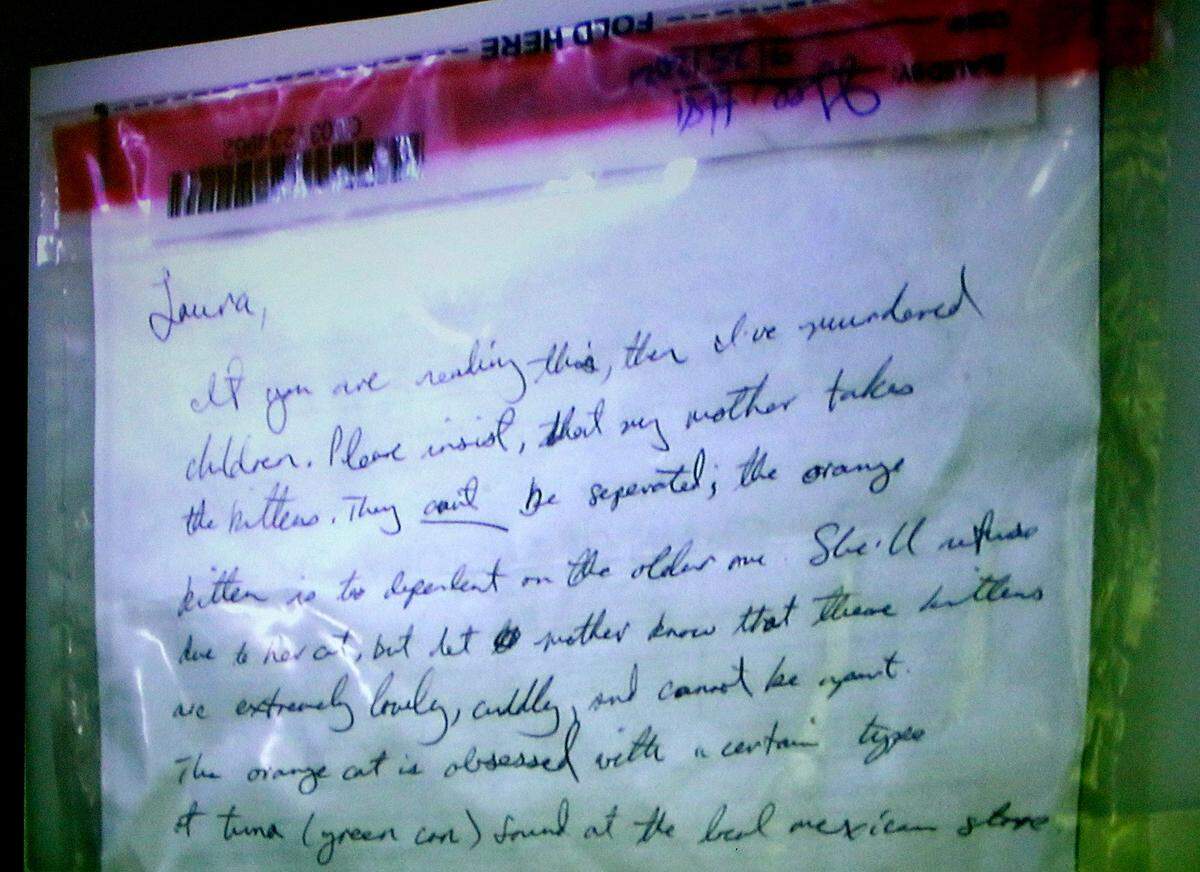
That included a letter in which Davis referred to killing children. While the jury has been able to read it, witnesses have been stopped from explaining what the scrawled handwritten letter to Davis’ roommate says.
Insanity defense
Defense Attorney Sheri Oertel pressed Yocum on his work for the state.
He said he’s done about 3,000 mental health evaluations. About 90% of those have been to determine if a defendant understands the court proceedings, and only 10% are concerned with the person’s sanity or other questions around mental health.
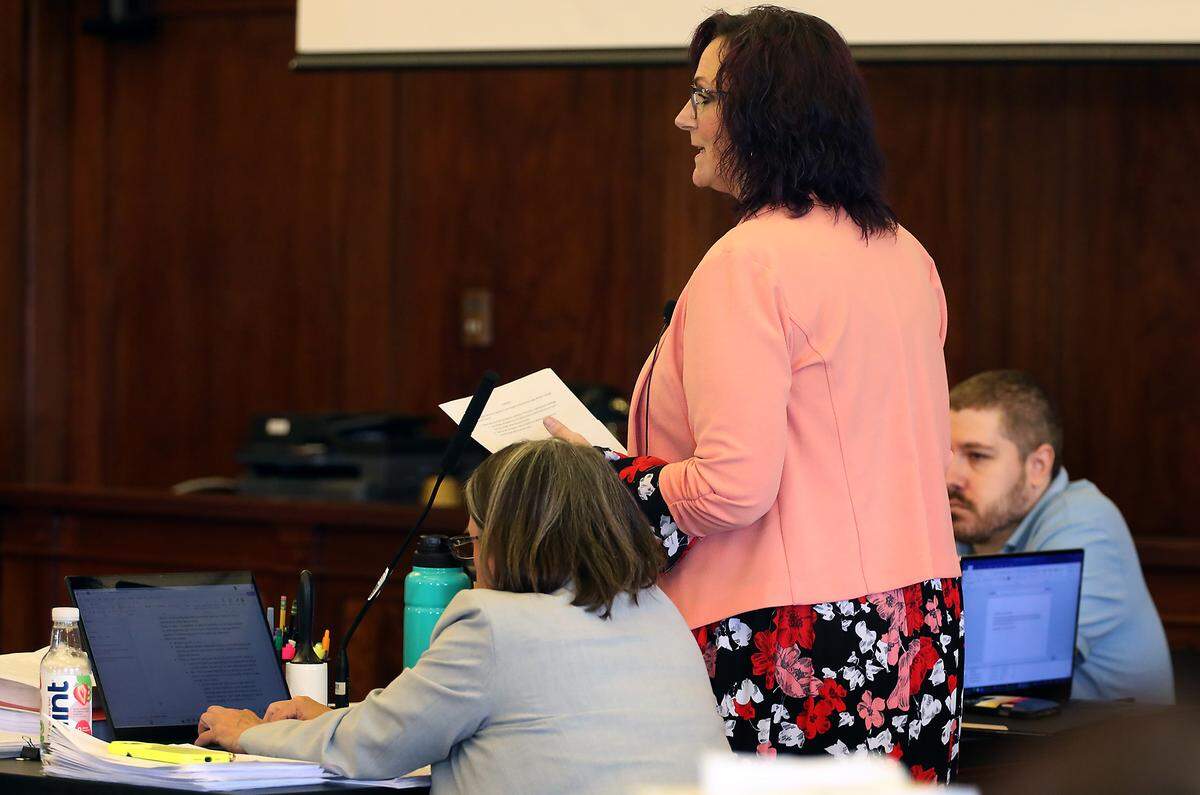
While Yocum has found some people not legally sane, about 80% of the time he’s determined they don’t meet the legal definition.
He confirmed that Davis had delusions, and believed he was being targeted by a secret government program, and that his symptoms waxed and waned. Davis also complained about physical symptoms.
Oertel also pushed Yocum on his claim that asking to go to Road 100 was a “ruse.” She asked if Yocum was aware that the bus was marked “Route 100.”
She also asked about the state mental hospitals’ lengthy legal troubles with not completing mental health evaluations. While the system has caught up with performing competency evaluations quicker, at the time of Yocum’s sanity evaluation in 2023, the system was still backed up.
“Is it possible that you could have an implicit bias on borderline cases, that are closer than others?” Oertel asked. “Where you realize the person is not found insane, that is going to save the state in either treatment or fines, and also would not add to your very busy schedule.”
He disagreed because if people are pleading innocent by reason of insanity, the state will spend money no matter whether the person is found insane or not.
“Whether he goes to the hospital or goes to prison, the state is going to spend money. That’s just the truth,” he said. “One of the reasons I stated with the Office of Forensic Mental Health Services, for all that they do, is the freedom we’re given to come up with our opinions. There’s no pressure. ... We offer our opinions and that’s all.”